THE ADVENTURE COLLECTIVE® · Independent discovery and booking for outdoor travel

Walk Dali Old Town like a local on a four-hour food and culture tour that threads ancient gates, market lanes, and hidden courtyards. Taste regional snacks, learn Bai history, and get practical tips for navigating the stalls and streets.
Walk Dali Old Town like a local on a four-hour food and culture tour that threads ancient gates, market lanes, and hidden courtyards. Taste regional snacks, learn Bai history, and get practical tips for navigating the stalls and streets.
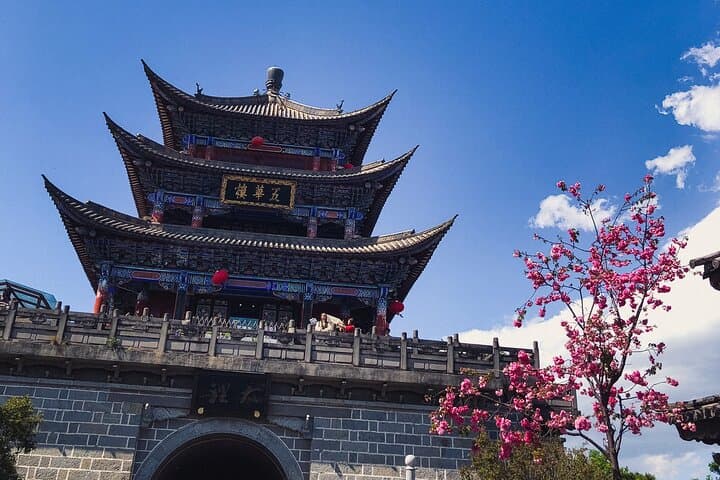
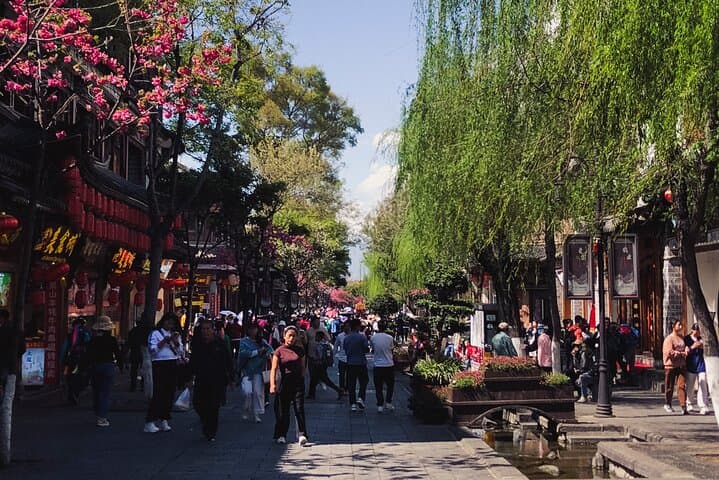
You step through the South Gate and the city breathes around you: narrow stone streets lined with red-walled courtyards, the clack of bicycle wheels, and spring-water channels daring you to follow their calm flow.
Verified experiences and guided adventures in the surrounding area.
Operated by Young's Dali Private Tour | Dali Unplug · Dali, Yunnan
You step through the South Gate and the city breathes around you: narrow stone streets lined with red-walled courtyards, the clack of bicycle wheels, and spring-water channels daring you to follow their calm flow.
Dali's Old Town sits on the high plain between Erhai Lake and the Cangshan range, a place shaped by limestone peaks and millennia of trade. Once the seat of the medieval Dali Kingdom and a hub for the Bai people, the architecture here mixes Bai timberwork, Confucian courtyards, and later Western-influenced facades — history written into doorways and market alleys. The tour moves through living neighborhoods where daily life and tourism overlap: pagoda-style towers, small galleries, and markets where grilled erkuai and cooling Dali yogurt are made before your eyes.
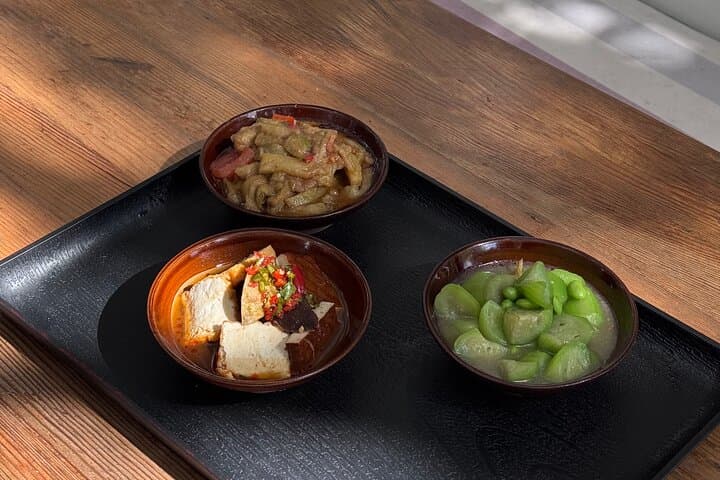
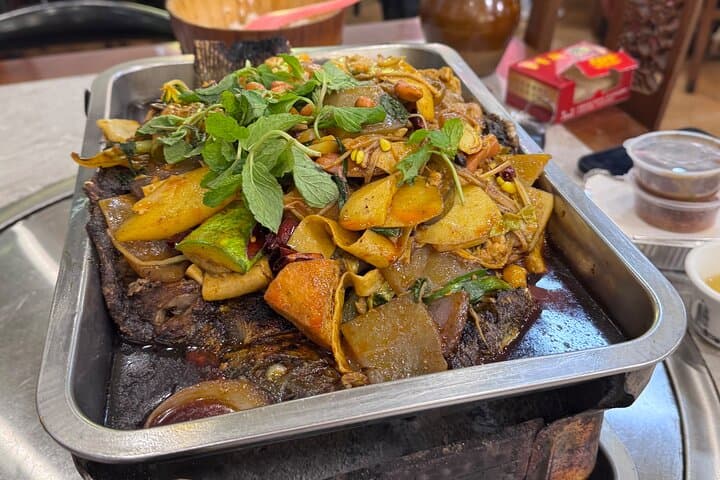
Culturally, food is social currency; stalls pass plates across lanes and vendors offer stories with each bite. Expect sensory detail — steam, spice, the chew of rice noodle — and photographers capturing candid moments if you request.
Practical guidance: this is a low-impact, four-hour walking itinerary across mostly flat stone streets with short steps; comfortable shoes and modest layering are sensible. Bring cash for small vendors, a bottle of water, and any dietary notes in advance — food stops are local and may not label allergens. Mornings and late afternoons are best for temperate weather and livelier markets. Leave room to linger at a quiet courtyard, sample a new snack, and let the city reveal itself on foot.
easy.
4 hours.
Suitable for most fitness levels; requires standing and walking on uneven surfaces for several hours.
Yes — tell your guide when booking and again at the start; guides will steer you toward suitable stops, though small vendors may have limited labeling.
The organized start point is the South Gate of Dali Ancient City and the tour finishes near the North Gate market where you can continue exploring independently.
The walking is primarily flat along stone-paved streets with occasional short steps; no steep climbs are required.
Some streets are narrow and uneven which can be challenging for strollers and wheelchairs — contact the operator for specific accessibility accommodations.
Dali was the political and cultural center of the medieval Dali Kingdom and remains a stronghold of Bai architecture and traditions, evident in its courtyards and festivals.
Tourism pressure is managed locally with encouragement to use refillable water and support small vendors; avoid littering and respect private courtyards to minimize impact.
Young's Dali Private Tour | Dali Unplug operates guided outdoor trips and adventures with an emphasis on safety, stewardship, and memorable experiences.
You step through the South Gate and the city breathes around you: narrow stone streets lined with red-walled courtyards, the clack of bicycle wheels, and spring-water channels daring you to follow their calm flow.
You step through the South Gate and the city breathes around you: narrow stone streets lined with red-walled courtyards, the clack of bicycle wheels, and spring-water channels daring you to follow their calm flow.
Dali's Old Town sits on the high plain between Erhai Lake and the Cangshan range, a place shaped by limestone peaks and millennia of trade. Once the seat of the medieval Dali Kingdom and a hub for the Bai people, the architecture here mixes Bai timberwork, Confucian courtyards, and later Western-influenced facades — history written into doorways and market alleys. The tour moves through living neighborhoods where daily life and tourism overlap: pagoda-style towers, small galleries, and markets where grilled erkuai and cooling Dali yogurt are made before your eyes.
Culturally, food is social currency; stalls pass plates across lanes and vendors offer stories with each bite. Expect sensory detail — steam, spice, the chew of rice noodle — and photographers capturing candid moments if you request.
Practical guidance: this is a low-impact, four-hour walking itinerary across mostly flat stone streets with short steps; comfortable shoes and modest layering are sensible. Bring cash for small vendors, a bottle of water, and any dietary notes in advance — food stops are local and may not label allergens. Mornings and late afternoons are best for temperate weather and livelier markets. Leave room to linger at a quiet courtyard, sample a new snack, and let the city reveal itself on foot.