THE ADVENTURE COLLECTIVE® · Independent discovery and booking for outdoor travel

Walk Da Lat’s evening lanes with a local guide to find the city’s best street flavors—from grilled skewers to avocado ice cream. This three-hour tasting route pairs practical tips with culinary context so you can eat like a local.
Walk Da Lat’s evening lanes with a local guide to find the city’s best street flavors—from grilled skewers to avocado ice cream. This three-hour tasting route pairs practical tips with culinary context so you can eat like a local.
Evening fog rolls down from the Lang Biang plateau as the group steps into the warm glow of Da Lat’s street-side kitchens. Steam clouds the air; sizzling pans, grilled skewers and the rhythmic clatter of chopsticks set the tempo. The tour threads through busy alleys and a scattering of night-market stalls, guiding you to the exact carts locals choose after a long day in the vegetable farms and coffee houses.
Verified experiences and guided adventures in the surrounding area.
Operated by Da Lat Food Tour Adventure- Taste of Dalat · Da Lat, Lam Dong
Evening fog rolls down from the Lang Biang plateau as the group steps into the warm glow of Da Lat’s street-side kitchens. Steam clouds the air; sizzling pans, grilled skewers and the rhythmic clatter of chopsticks set the tempo. The tour threads through busy alleys and a scattering of night-market stalls, guiding you to the exact carts locals choose after a long day in the vegetable farms and coffee houses.
Da Lat began as a French hill station in the early 20th century and still carries that mix of Central Highlands produce and colonial-era cafes. Geologically, the town sits on weathered basalt of the Lang Biang massif, soil that helps the coffee and vegetables that fuel much of the street menu. Culturally, eating here is communal and adaptive: recipes absorb highland ingredients, grilling techniques and quick soups that suit cooler evenings.
Practical guidance: expect about three hours of mostly flat walking on paved streets with frequent, short stops to sample dishes—think bánh tráng nướng, nem nướng, xắp xắp and avocado ice cream. Bring small bills for cash-only vendors, flag dietary restrictions to your guide ahead of time, and plan to start at dusk when stalls gather and the day’s freshest items are ready. Wear comfortable shoes and bring a light rain layer in the wet season. Hydrate between tastings and use hand sanitizer before eating street-prepared items.
This tour is social and sensory: it’s as much about conversation with vendors and fellow travelers as it is about the food. Move deliberately, taste widely, and let the guide connect you with the stories behind each plate.
easy.
3 hours.
Suitable for all fitness levels; involves approximately 1–2 miles of easy walking with frequent stops
The tour lasts about three hours and includes roughly 1–2 miles of easy walking on paved streets with frequent tasting stops.
Yes—your guide arranges multiple tastings that typically include 6–8 small dishes and a dessert or drink, depending on the itinerary.
Yes—most guides can adjust tastings for vegetarian or common allergies if informed at booking; always alert the operator in advance.
Many routes use paved market roads and are listed as wheelchair accessible, but contact the operator ahead of time to confirm accessibility for specific stalls or cobbled sections.
Da Lat was founded as a French colonial hill station and developed a hybrid food culture combining Central Highlands produce with Vietnamese grilling and noodle traditions.
Support vendors who use minimal single-use plastics and ask about leftovers; food waste and packaging are growing concerns in busy night markets.
Da Lat Food Tour Adventure- Taste of Dalat operates guided outdoor trips and adventures with an emphasis on safety, stewardship, and memorable experiences.
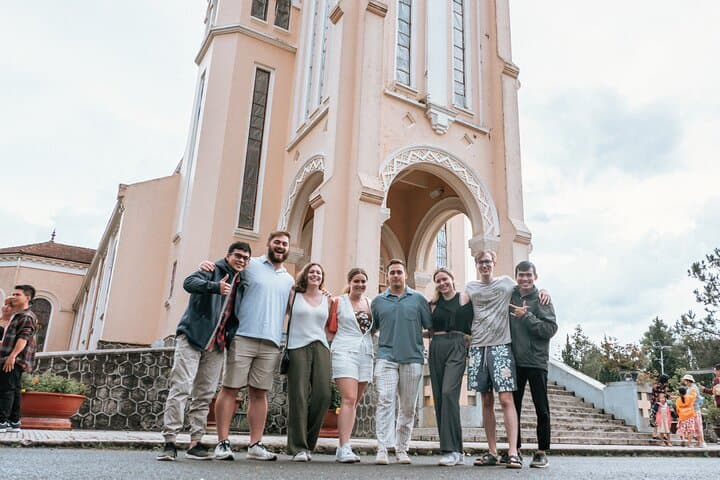
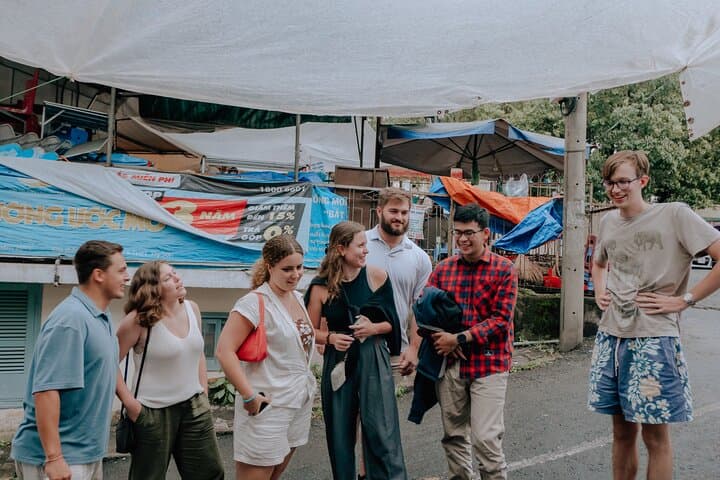
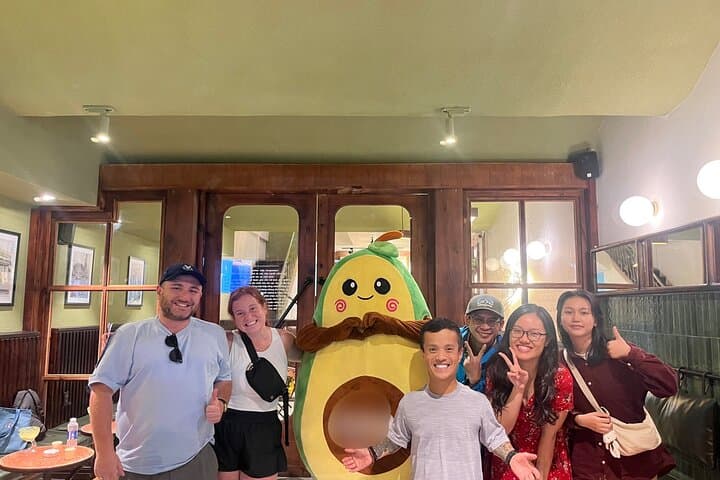
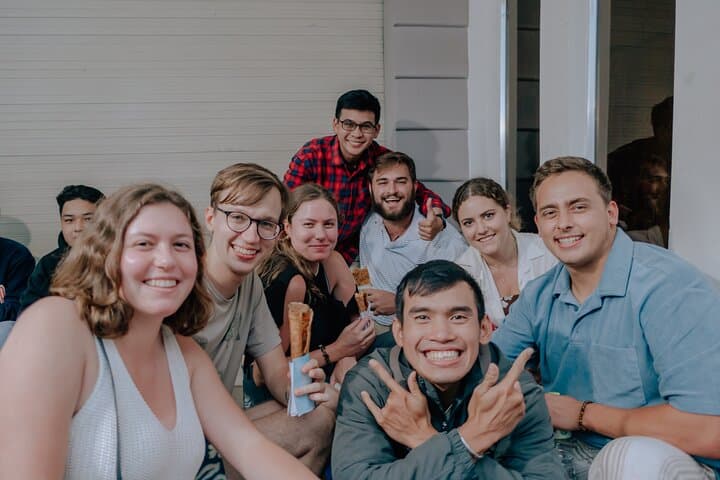
Evening fog rolls down from the Lang Biang plateau as the group steps into the warm glow of Da Lat’s street-side kitchens. Steam clouds the air; sizzling pans, grilled skewers and the rhythmic clatter of chopsticks set the tempo. The tour threads through busy alleys and a scattering of night-market stalls, guiding you to the exact carts locals choose after a long day in the vegetable farms and coffee houses.
Evening fog rolls down from the Lang Biang plateau as the group steps into the warm glow of Da Lat’s street-side kitchens. Steam clouds the air; sizzling pans, grilled skewers and the rhythmic clatter of chopsticks set the tempo. The tour threads through busy alleys and a scattering of night-market stalls, guiding you to the exact carts locals choose after a long day in the vegetable farms and coffee houses.
Da Lat began as a French hill station in the early 20th century and still carries that mix of Central Highlands produce and colonial-era cafes. Geologically, the town sits on weathered basalt of the Lang Biang massif, soil that helps the coffee and vegetables that fuel much of the street menu. Culturally, eating here is communal and adaptive: recipes absorb highland ingredients, grilling techniques and quick soups that suit cooler evenings.
Practical guidance: expect about three hours of mostly flat walking on paved streets with frequent, short stops to sample dishes—think bánh tráng nướng, nem nướng, xắp xắp and avocado ice cream. Bring small bills for cash-only vendors, flag dietary restrictions to your guide ahead of time, and plan to start at dusk when stalls gather and the day’s freshest items are ready. Wear comfortable shoes and bring a light rain layer in the wet season. Hydrate between tastings and use hand sanitizer before eating street-prepared items.
This tour is social and sensory: it’s as much about conversation with vendors and fellow travelers as it is about the food. Move deliberately, taste widely, and let the guide connect you with the stories behind each plate.