THE ADVENTURE COLLECTIVE® · Independent discovery and booking for outdoor travel

Cross the Yangon River to Dala, ride a ferry through shipyards and markets, then join the Yangon Circular Train for a three-hour loop through everyday city life. This half-day tour pairs river scenery, trishaw culture, and a window into Yangon’s working neighborhoods.
Cross the Yangon River to Dala, ride a ferry through shipyards and markets, then join the Yangon Circular Train for a three-hour loop through everyday city life. This half-day tour pairs river scenery, trishaw culture, and a window into Yangon’s working neighborhoods.
Morning light slices across the Yangon River as the ferry pulls away from Nanthida jetty—mangrove-lined banks and a row of wooden trishaws waving like an old market's brass. You step onto Dala’s dusty lanes, where bicycle taxis thread past orphanage gates and spice-scented stalls, then return to the river for a slow passage back through shipyards that still hammer teak and steel.
Verified experiences and guided adventures in the surrounding area.
Operated by OD Tour · Yangon, Yangon Region
Morning light slices across the Yangon River as the ferry pulls away from Nanthida jetty—mangrove-lined banks and a row of wooden trishaws waving like an old market's brass. You step onto Dala’s dusty lanes, where bicycle taxis thread past orphanage gates and spice-scented stalls, then return to the river for a slow passage back through shipyards that still hammer teak and steel.
This route stitches colonial-era Yangon to its riverine hinterland. Dala grew as a ferry-linked suburb supplying labor and craft to the city; the Circular Train, rebuilt in 1954 with elements of traditional Burmese architecture, loops through neighborhoods that preserve a working-class urban fabric—markets, monasteries, and long verandas where daily life is public and noisy.
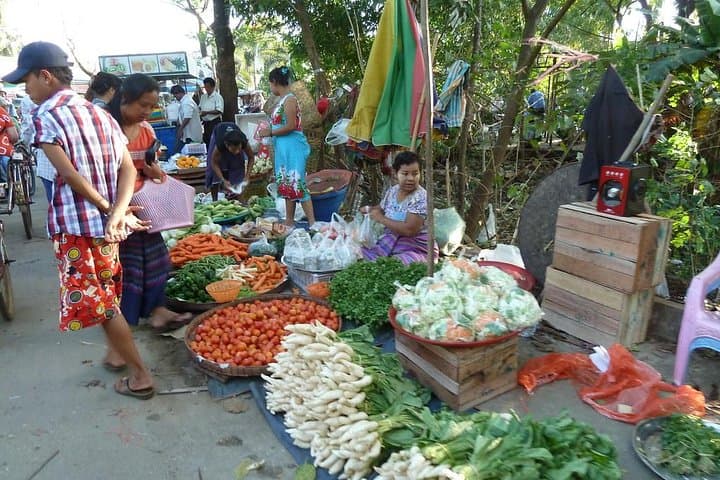
Geologically the area sits on the Irrawaddy delta’s flat alluvial plain; you won’t climb but you will move through shifting human landscapes—muddy banks, river slips, and patchwork rice plots visible from the train. Expect a tactile cultural ride: wooden boatyards smell of tar and sawdust, trishaw drivers will tout short rides, and local markets invite quick tastes—betel leaf and fried snacks—if you ask politely.
Practical guide: leave early to beat heat and afternoon traffic, bring cash for small purchases, and carry a refillable water bottle and sun protection. Photography is welcome, but be discreet at orphanages and when people decline. The circular train takes roughly three hours end-to-end; combined with the Dala ferry and stops, plan for a half- to full-day excursion. Light walking ability is enough, but be ready for uneven quay steps and crowded platforms.
easy.
6–8 hours.
Light activity; suitable for most people who can stand and walk short distances and manage stairs or uneven surfaces.
The full loop takes about three hours from the station you board to return to the same point, with frequent stops through suburban Yangon.
Yes; the itinerary is low-impact with short walks, though quays and some streets can be uneven—consider mobility needs for seniors or young children.
Yes. Small vendors and trishaws usually accept only Myanmar kyat; ATMs are available in Yangon but not in Dala, so bring cash.
Photographing public life and landscapes is fine; always ask permission before photographing individuals or entering orphanage grounds and avoid photographing children without explicit consent.
Dala has long been a labor and craft hub across the Yangon River; the Yangon Circular Train was rebuilt in 1954 blending functional infrastructure with local architectural motifs.
River and delta pollution and plastic waste are concerns—carry reusable bottles, avoid single-use plastics, and follow guides’ instructions to minimize impact.
OD Tour operates guided outdoor trips and adventures with an emphasis on safety, stewardship, and memorable experiences.
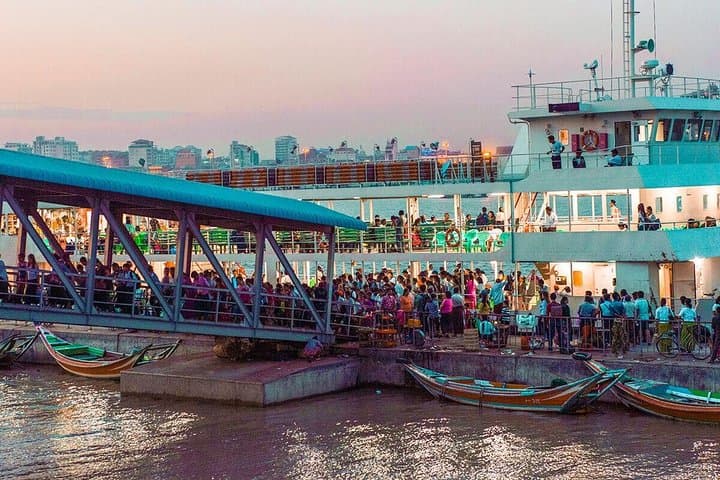
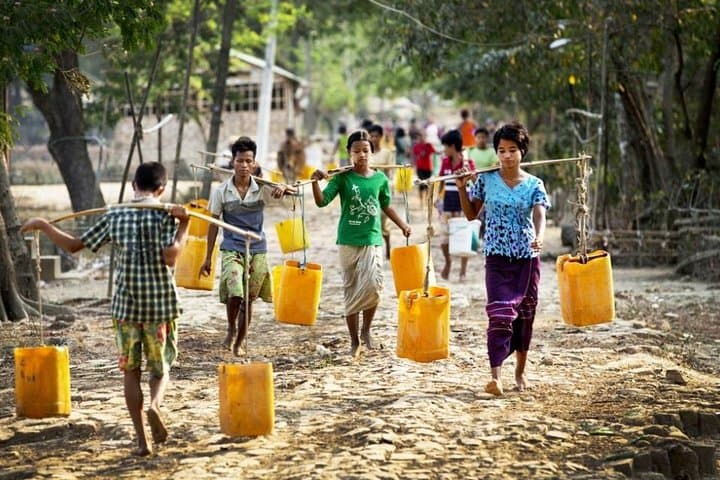
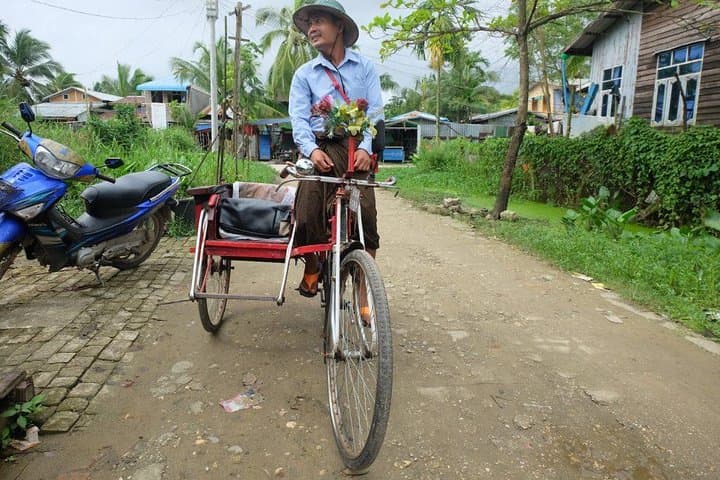
Morning light slices across the Yangon River as the ferry pulls away from Nanthida jetty—mangrove-lined banks and a row of wooden trishaws waving like an old market's brass. You step onto Dala’s dusty lanes, where bicycle taxis thread past orphanage gates and spice-scented stalls, then return to the river for a slow passage back through shipyards that still hammer teak and steel.
Morning light slices across the Yangon River as the ferry pulls away from Nanthida jetty—mangrove-lined banks and a row of wooden trishaws waving like an old market's brass. You step onto Dala’s dusty lanes, where bicycle taxis thread past orphanage gates and spice-scented stalls, then return to the river for a slow passage back through shipyards that still hammer teak and steel.
This route stitches colonial-era Yangon to its riverine hinterland. Dala grew as a ferry-linked suburb supplying labor and craft to the city; the Circular Train, rebuilt in 1954 with elements of traditional Burmese architecture, loops through neighborhoods that preserve a working-class urban fabric—markets, monasteries, and long verandas where daily life is public and noisy.
Geologically the area sits on the Irrawaddy delta’s flat alluvial plain; you won’t climb but you will move through shifting human landscapes—muddy banks, river slips, and patchwork rice plots visible from the train. Expect a tactile cultural ride: wooden boatyards smell of tar and sawdust, trishaw drivers will tout short rides, and local markets invite quick tastes—betel leaf and fried snacks—if you ask politely.
Practical guide: leave early to beat heat and afternoon traffic, bring cash for small purchases, and carry a refillable water bottle and sun protection. Photography is welcome, but be discreet at orphanages and when people decline. The circular train takes roughly three hours end-to-end; combined with the Dala ferry and stops, plan for a half- to full-day excursion. Light walking ability is enough, but be ready for uneven quay steps and crowded platforms.