THE ADVENTURE COLLECTIVE® · Independent discovery and booking for outdoor travel

This compact six-hour tour stitches together Dakshinkali’s intense temple rituals, the cave shrines of Pharping and hilltop Newar streets in Kirtipur. Expect uneven stone paths, strong cultural traditions and expansive valley views.
This compact six-hour tour stitches together Dakshinkali’s intense temple rituals, the cave shrines of Pharping and hilltop Newar streets in Kirtipur. Expect uneven stone paths, strong cultural traditions and expansive valley views.
You step off the vehicle into a forested cleft where two streams meet and the air smells faintly of incense and metal — the river seems to dare you to look closer. The path climbs past shrines, priests and pilgrims; the sound of ritual is a steady undercurrent as you move between the raw devotion at Dakshinkali and the quieter, cave-side sanctuaries at Pharping.
Verified experiences and guided adventures in the surrounding area.
Operated by Liberty Holidays · Kathmandu, Bagmati Province
You step off the vehicle into a forested cleft where two streams meet and the air smells faintly of incense and metal — the river seems to dare you to look closer. The path climbs past shrines, priests and pilgrims; the sound of ritual is a steady undercurrent as you move between the raw devotion at Dakshinkali and the quieter, cave-side sanctuaries at Pharping.
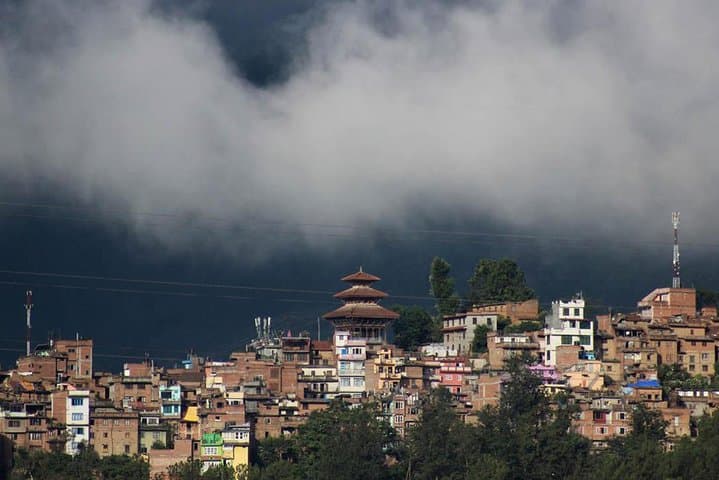
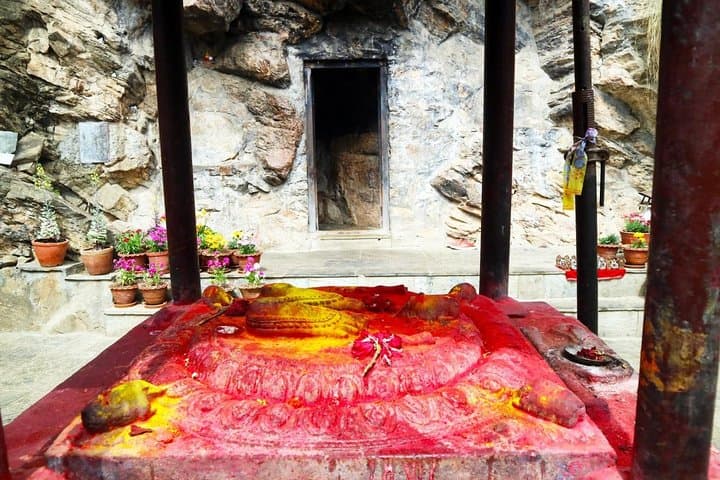
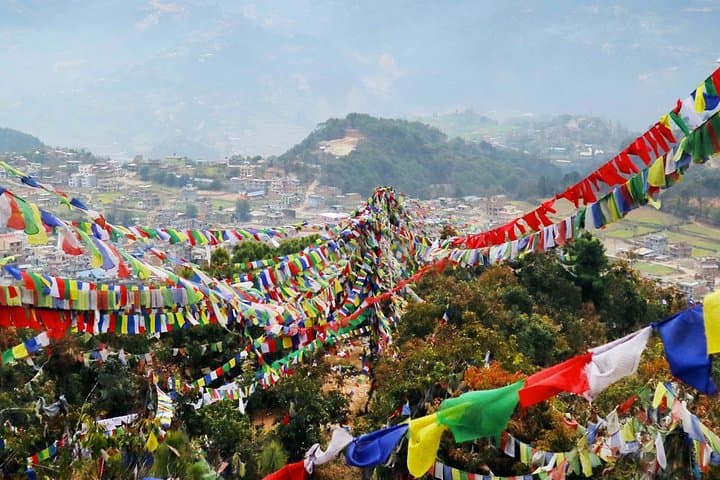
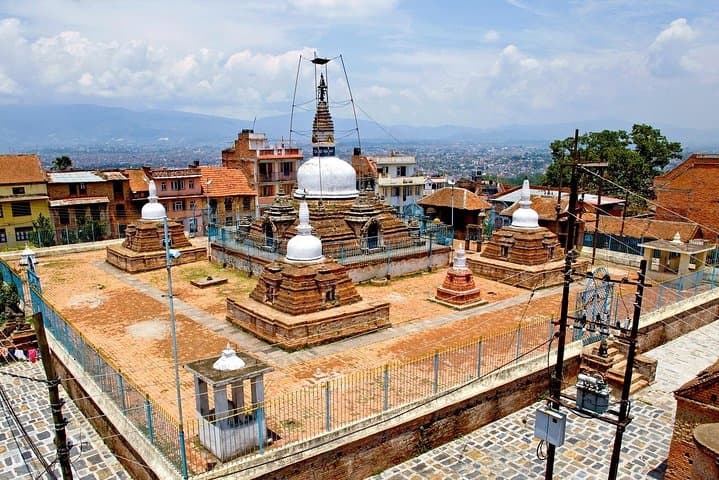
This six-hour circuit threads together religious history and valley geology. Pharping is associated with Padmasambhava and Vajrayogini tradition; rock-cut caves shelter self-arising images. Dakshinkali sits in a rocky gorge where confluence and spring-fed streams shaped the worship site and the practice of animal offerings. Kirtipur, on a neighboring ridge, offers Newar architecture, carved woodwork and broad views over Kathmandu Valley — a reminder of the city’s layered human history.
Expect uneven stone steps, short uphill walks and close encounters with local ritual practice; some scenes can be confronting. Guides explain cultural context and etiquette: remove shoes at temple thresholds, ask before photographing ceremonies, and accept that offerings and animal sacrifices are part of living tradition here.
Practical notes: the tour runs about six hours with hotel pickup and drop-off inside the ring road. Wear sturdy walking shoes, bring water and small-change for donations, and plan for midday heat or sudden showers depending on season. Arrive early to avoid crowding at Dakshinkali and leave time in Kirtipur to climb for the best valley views.
easy.
6 hours.
Light activity: able to manage short uphill walks and many stone steps; suitable for most fitness levels
Yes; Dakshinkali is an active site where some devotees offer animals as part of rituals — visitors should maintain respectful distance and be prepared for graphic scenes.
The provider notes the bloody rituals may be distressing; pregnant travelers or those sensitive to graphic sights should consider skipping Dakshinkali portion.
Expect short to moderate walking with many steps and uneven stone paths; total walking time is intermittent across the six-hour tour.
Photography etiquette varies — always ask the guide or priests before photographing ceremonies or worshippers, and avoid flash in shrines.
Pharping is linked to Padmasambhava and Vajrayogini worship; Kirtipur is an ancient Newar township that preserves Kathmandu Valley’s pre-modern urban fabric.
Visitors should avoid leaving offerings or plastic debris on trails; local sites balance active ritual use with conservation efforts to protect watercourses and temple stonework.
Liberty Holidays operates guided outdoor trips and adventures with an emphasis on safety, stewardship, and memorable experiences.
You step off the vehicle into a forested cleft where two streams meet and the air smells faintly of incense and metal — the river seems to dare you to look closer. The path climbs past shrines, priests and pilgrims; the sound of ritual is a steady undercurrent as you move between the raw devotion at Dakshinkali and the quieter, cave-side sanctuaries at Pharping.
You step off the vehicle into a forested cleft where two streams meet and the air smells faintly of incense and metal — the river seems to dare you to look closer. The path climbs past shrines, priests and pilgrims; the sound of ritual is a steady undercurrent as you move between the raw devotion at Dakshinkali and the quieter, cave-side sanctuaries at Pharping.
This six-hour circuit threads together religious history and valley geology. Pharping is associated with Padmasambhava and Vajrayogini tradition; rock-cut caves shelter self-arising images. Dakshinkali sits in a rocky gorge where confluence and spring-fed streams shaped the worship site and the practice of animal offerings. Kirtipur, on a neighboring ridge, offers Newar architecture, carved woodwork and broad views over Kathmandu Valley — a reminder of the city’s layered human history.
Expect uneven stone steps, short uphill walks and close encounters with local ritual practice; some scenes can be confronting. Guides explain cultural context and etiquette: remove shoes at temple thresholds, ask before photographing ceremonies, and accept that offerings and animal sacrifices are part of living tradition here.
Practical notes: the tour runs about six hours with hotel pickup and drop-off inside the ring road. Wear sturdy walking shoes, bring water and small-change for donations, and plan for midday heat or sudden showers depending on season. Arrive early to avoid crowding at Dakshinkali and leave time in Kirtipur to climb for the best valley views.