THE ADVENTURE COLLECTIVE® · Independent discovery and booking for outdoor travel

Drive from Dakhla into a day of salt pools, a floating white dune, a secret emerald beach on the Tropic of Cancer, and a thermal desert spring. Expect a mix of short walks, shoreline time, and scenic drives with Sahrawi cultural touches along the way.
Drive from Dakhla into a day of salt pools, a floating white dune, a secret emerald beach on the Tropic of Cancer, and a thermal desert spring. Expect a mix of short walks, shoreline time, and scenic drives with Sahrawi cultural touches along the way.
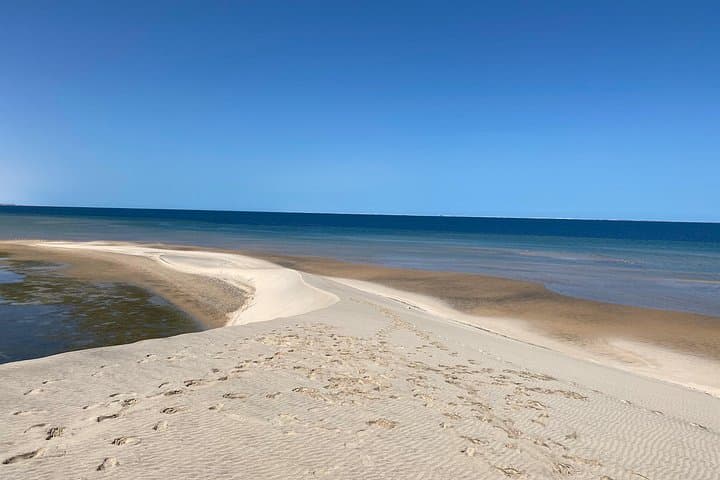
A salt wind pushes at the windows as the private 4x4 eases out of Dakhla and into an open ledger of sand and sea. The day unfolds in sharply lit chapters: Imlili’s scattered pools glitter like coin-sized mirrors, a white crescent dune rises from the tidal flat, and a remote thermal spring steams against the plain. The coast here alternates between hard, wind-polished shoreline and soft beaches where the Atlantic pulls at your feet.
Verified experiences and guided adventures in the surrounding area.
Operated by Go Booking Tours · Dakhla, Dakhla-Oued Ed-Dahab
A salt wind pushes at the windows as the private 4x4 eases out of Dakhla and into an open ledger of sand and sea. The day unfolds in sharply lit chapters: Imlili’s scattered pools glitter like coin-sized mirrors, a white crescent dune rises from the tidal flat, and a remote thermal spring steams against the plain. The coast here alternates between hard, wind-polished shoreline and soft beaches where the Atlantic pulls at your feet.
Geology in the Dakhla Bay area is direct and visible: wind-carved dunes and tidal flats built from Sahara sands collide with a coastal shelf sculpted by Atlantic tides. Historically the region has been a crossroads for Sahrawi nomads and seafarers; Spanish-era maps named the port Villa Cisneros before Morocco’s modern administration reshaped the region’s economies around fishing and oyster farming.
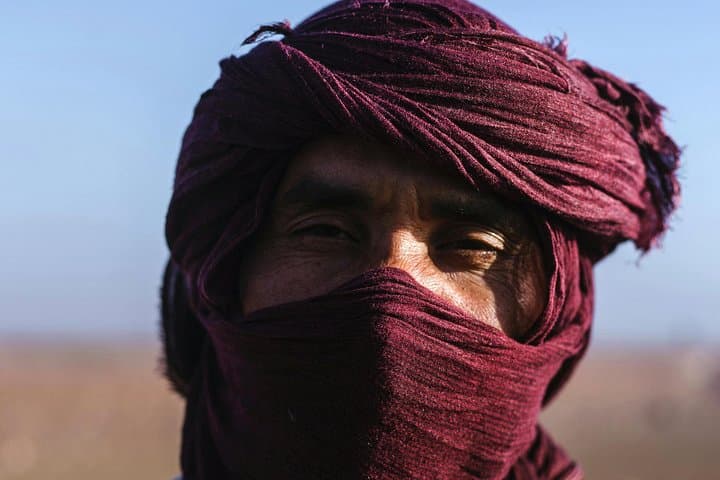
Culturally the tour offers a quick window into Sahrawi life—camel sightings, traditional turbans offered for shade, and simple seaside restaurants that showcase fresh seafood.
Practical guidance: expect mostly vehicle time with several 20–60 minute stops on foot; terrain ranges from compact beach sand to soft dune slopes. Bring sun protection, a sturdy pair of shoes for fiddler-crab flats, and a swimsuit for Puerto Rico Beach if the tide allows. The Asmaa spring requires a short, unmarked drive and modest mobility to reach the spring mouth.
Timing matters: low tide reveals tidal pools and the White Dune’s natural lagoon, while high tide transforms the dune into a floating island. Respect birding areas and avoid trampling exposed flats—these are active habitats for migratory species.
moderate.
6–7 hours.
Suitable for travelers in average physical condition who can manage short walks over uneven sand and tidal flats.
Guides who speak English, French, Spanish and Arabic may be available, but multilingual drivers are not guaranteed—confirm language needs at booking.
Yes—Puerto Rico Beach has fine sand and clear water suitable for swimming when conditions are calm; always check local advice about currents and tides.
The tour uses private vehicles suitable for desert tracks; reach to Asmaa spring and some dune areas may require a 4x4 for rougher sections.
Infants can ride in strollers and must sit on laps, but the tour is not recommended for travelers with spinal injuries due to vehicle movement and terrain.
Dakhla’s coastline has long been a meeting point for Sahrawi nomadic routes and Atlantic fishing traditions; the area also experienced Spanish colonial administration in the 20th century that shaped modern port infrastructure.
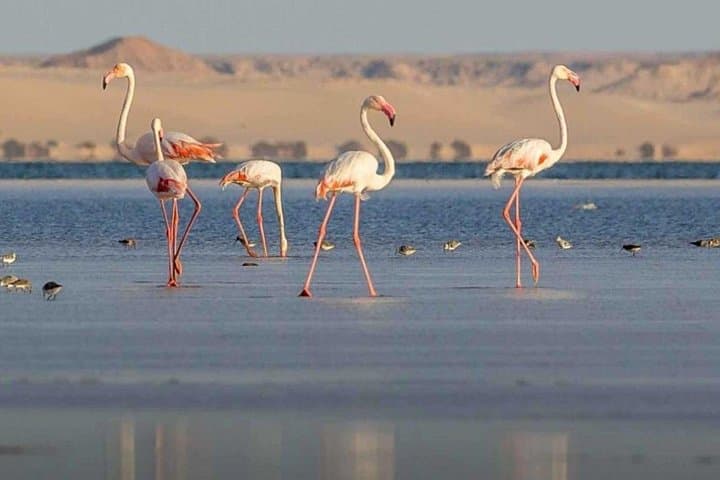
The tidal flats and sebkha are important stopovers for migratory birds—stick to marked paths, avoid disturbing nesting areas, and minimize plastic waste to protect fragile coastal ecosystems.
Go Booking Tours operates guided outdoor trips and adventures with an emphasis on safety, stewardship, and memorable experiences.

A salt wind pushes at the windows as the private 4x4 eases out of Dakhla and into an open ledger of sand and sea. The day unfolds in sharply lit chapters: Imlili’s scattered pools glitter like coin-sized mirrors, a white crescent dune rises from the tidal flat, and a remote thermal spring steams against the plain. The coast here alternates between hard, wind-polished shoreline and soft beaches where the Atlantic pulls at your feet.
A salt wind pushes at the windows as the private 4x4 eases out of Dakhla and into an open ledger of sand and sea. The day unfolds in sharply lit chapters: Imlili’s scattered pools glitter like coin-sized mirrors, a white crescent dune rises from the tidal flat, and a remote thermal spring steams against the plain. The coast here alternates between hard, wind-polished shoreline and soft beaches where the Atlantic pulls at your feet.
Geology in the Dakhla Bay area is direct and visible: wind-carved dunes and tidal flats built from Sahara sands collide with a coastal shelf sculpted by Atlantic tides. Historically the region has been a crossroads for Sahrawi nomads and seafarers; Spanish-era maps named the port Villa Cisneros before Morocco’s modern administration reshaped the region’s economies around fishing and oyster farming.
Culturally the tour offers a quick window into Sahrawi life—camel sightings, traditional turbans offered for shade, and simple seaside restaurants that showcase fresh seafood.
Practical guidance: expect mostly vehicle time with several 20–60 minute stops on foot; terrain ranges from compact beach sand to soft dune slopes. Bring sun protection, a sturdy pair of shoes for fiddler-crab flats, and a swimsuit for Puerto Rico Beach if the tide allows. The Asmaa spring requires a short, unmarked drive and modest mobility to reach the spring mouth.
Timing matters: low tide reveals tidal pools and the White Dune’s natural lagoon, while high tide transforms the dune into a floating island. Respect birding areas and avoid trampling exposed flats—these are active habitats for migratory species.