THE ADVENTURE COLLECTIVE® · Independent discovery and booking for outdoor travel

Drive south from Kathmandu for a half-day cultural excursion to Dakshinkali Temple, then visit Pharping’s monasteries and Shesh Narayan. Expect forested steps, active rituals during festival seasons, and short walks between sites.
Drive south from Kathmandu for a half-day cultural excursion to Dakshinkali Temple, then visit Pharping’s monasteries and Shesh Narayan. Expect forested steps, active rituals during festival seasons, and short walks between sites.
A narrow road leaves Kathmandu and the city noise thins into the steady rumble of tires and birdcall. After roughly 22 km and nearly two hours via Pharping, the bus deposits visitors at Dakshinkali’s forested clearing where the goddess Kali watches from a stone temple. Pine-scented slopes slope toward carved steps; incense and offerings mark the rhythm of ritual, and the surrounding trees seem to lean in to listen.
Verified experiences and guided adventures in the surrounding area.
Operated by Himalayan Smile Treks and Adventure Pvt. Ltd · Kathmandu, Bagmati Province
A narrow road leaves Kathmandu and the city noise thins into the steady rumble of tires and birdcall. After roughly 22 km and nearly two hours via Pharping, the bus deposits visitors at Dakshinkali’s forested clearing where the goddess Kali watches from a stone temple. Pine-scented slopes slope toward carved steps; incense and offerings mark the rhythm of ritual, and the surrounding trees seem to lean in to listen.
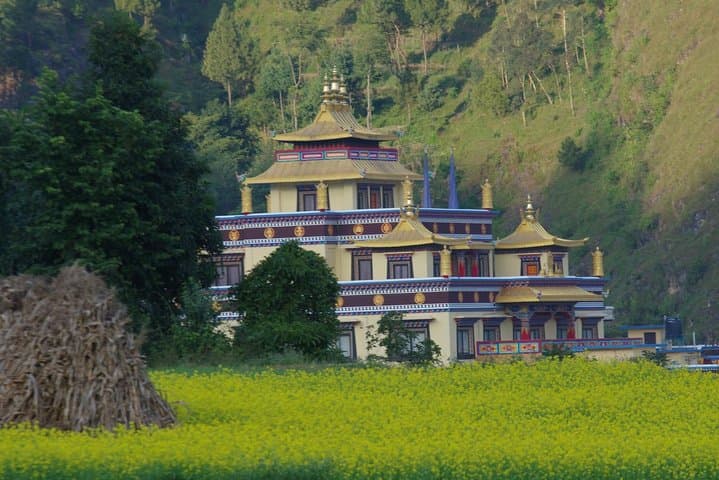
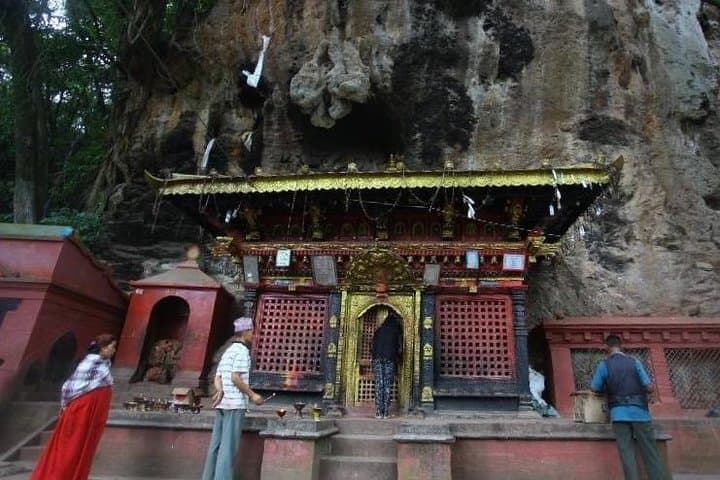
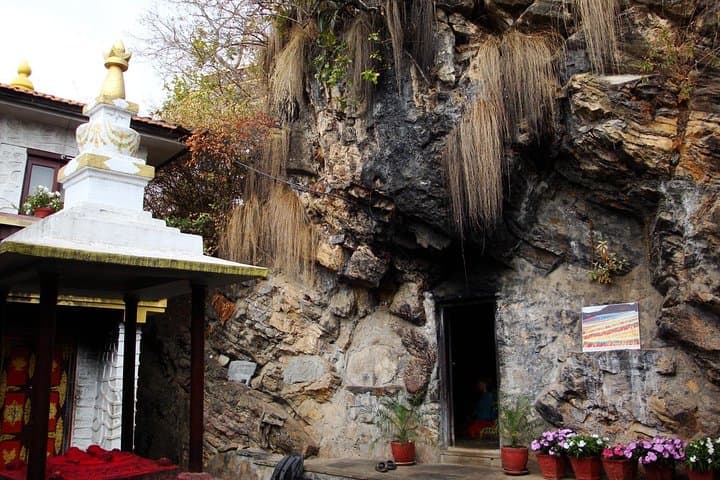
The site has long been a focal point for Hindu devotion in the Kathmandu Valley; worship of Kali here ties to local myths and seasonal rites, most visibly during Dashain when animal sacrifices are performed at the temple entrance. Geologically the area sits on the southern rim of the valley, where river-cut terraces and steep hill slopes create intimate viewpoints back toward Kathmandu. Nearby Pharping adds a Buddhist counterpoint — monasteries and Asur Cave reflect centuries of overlapping faiths and pilgrimage paths. Shesh Narayan temple, with its lakeside setting, reveals a quieter, older layer of local worship.
Practically, the tour is a half-day outing with private transport and a licensed guide, so visitors can expect short uphill walks, stone steps, and uneven surfaces. Dress modestly, remove shoes when required, and keep small cash for temple donations. If visiting during Dashain or other festivals, plan for crowding and longer waits. Bring a light jacket for breezy hilltops and a rain layer in monsoon season. The experience pairs cultural insight with short, immersive walks — ideal for travelers who want context as well as a clear, manageable outing from Kathmandu.
easy.
5–6 hours.
Suitable for most fitness levels; involves short uphill walks and stair sections—able-bodied travelers should be fine.
The tour is a 5–6 hour private excursion that includes pick-up and drop-off in Kathmandu, private transport, a licensed guide, and visits to Dakshinkali Temple, Pharping monasteries, Asur Cave, and Shesh Narayan (admission fees not included).
Access involves stone steps and uneven ground; the site is not fully wheelchair accessible and may be challenging for travelers with significant mobility limitations or spinal issues.
Kali is a powerful deity; avoid interrupting rituals, ask before taking photos, cover shoulders and knees, and follow guide instructions around offerings and animal sacrifices during festivals.
Weekdays outside of major festivals (Dashain in autumn) are quieter. Mornings typically have fewer pilgrims and cooler temperatures.
Dakshinkali has long been a Hindu pilgrimage site; its rituals and nearby Buddhist monasteries illustrate the region’s layered religious traditions around the Kathmandu Valley rim.
The sites are vulnerable to litter and crowd pressure during festivals—visitors should pack out waste, avoid single-use plastics, and follow local guidance to protect temple grounds and surrounding forest.
Himalayan Smile Treks and Adventure Pvt. Ltd operates guided outdoor trips and adventures with an emphasis on safety, stewardship, and memorable experiences.
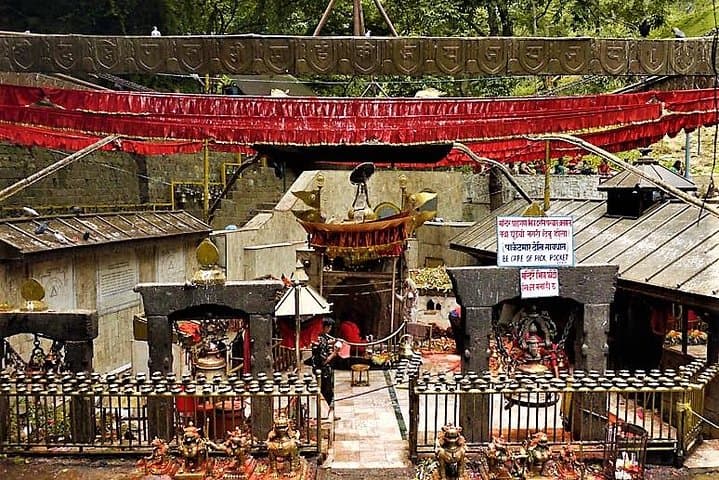
A narrow road leaves Kathmandu and the city noise thins into the steady rumble of tires and birdcall. After roughly 22 km and nearly two hours via Pharping, the bus deposits visitors at Dakshinkali’s forested clearing where the goddess Kali watches from a stone temple. Pine-scented slopes slope toward carved steps; incense and offerings mark the rhythm of ritual, and the surrounding trees seem to lean in to listen.
A narrow road leaves Kathmandu and the city noise thins into the steady rumble of tires and birdcall. After roughly 22 km and nearly two hours via Pharping, the bus deposits visitors at Dakshinkali’s forested clearing where the goddess Kali watches from a stone temple. Pine-scented slopes slope toward carved steps; incense and offerings mark the rhythm of ritual, and the surrounding trees seem to lean in to listen.
The site has long been a focal point for Hindu devotion in the Kathmandu Valley; worship of Kali here ties to local myths and seasonal rites, most visibly during Dashain when animal sacrifices are performed at the temple entrance. Geologically the area sits on the southern rim of the valley, where river-cut terraces and steep hill slopes create intimate viewpoints back toward Kathmandu. Nearby Pharping adds a Buddhist counterpoint — monasteries and Asur Cave reflect centuries of overlapping faiths and pilgrimage paths. Shesh Narayan temple, with its lakeside setting, reveals a quieter, older layer of local worship.
Practically, the tour is a half-day outing with private transport and a licensed guide, so visitors can expect short uphill walks, stone steps, and uneven surfaces. Dress modestly, remove shoes when required, and keep small cash for temple donations. If visiting during Dashain or other festivals, plan for crowding and longer waits. Bring a light jacket for breezy hilltops and a rain layer in monsoon season. The experience pairs cultural insight with short, immersive walks — ideal for travelers who want context as well as a clear, manageable outing from Kathmandu.