THE ADVENTURE COLLECTIVE® · Independent discovery and booking for outdoor travel

A compact full-day tour that pairs Gorée Island’s solemn history with the vibrant markets and coastal views of Dakar. Expect an early ferry, passport checks, cobbled lanes and a mix of quiet reflection and lively city energy.
A compact full-day tour that pairs Gorée Island’s solemn history with the vibrant markets and coastal views of Dakar. Expect an early ferry, passport checks, cobbled lanes and a mix of quiet reflection and lively city energy.
You step off the ferry and the Atlantic pushes a salt-scented breeze toward the island, daring you to slow down and listen. Gorée’s narrow lanes slope between faded ochre houses; voices from cafés and craft stalls thread through the air. Later, Dakar’s broad avenues hum with traffic and market calls, a contrast that reveals Senegal’s layered rhythms.
Verified experiences and guided adventures in the surrounding area.
Operated by VISIT SENEGAL · Dakar, Dakar
You step off the ferry and the Atlantic pushes a salt-scented breeze toward the island, daring you to slow down and listen. Gorée’s narrow lanes slope between faded ochre houses; voices from cafés and craft stalls thread through the air. Later, Dakar’s broad avenues hum with traffic and market calls, a contrast that reveals Senegal’s layered rhythms.
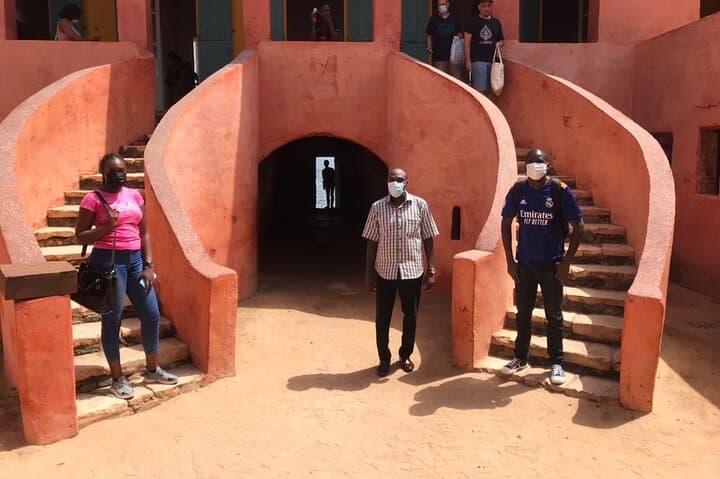
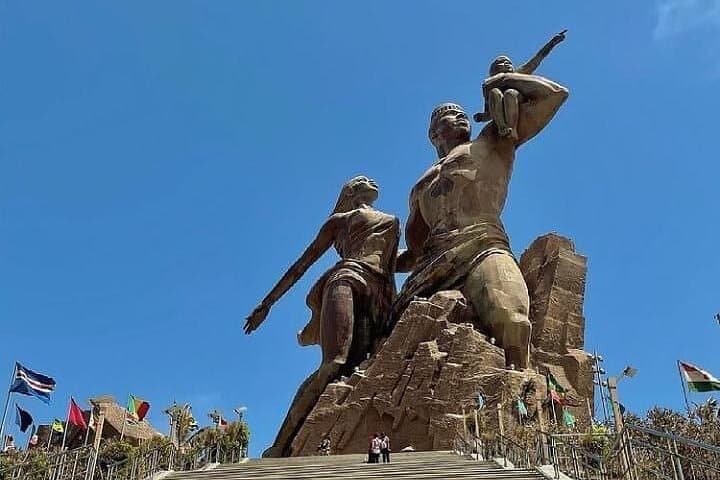
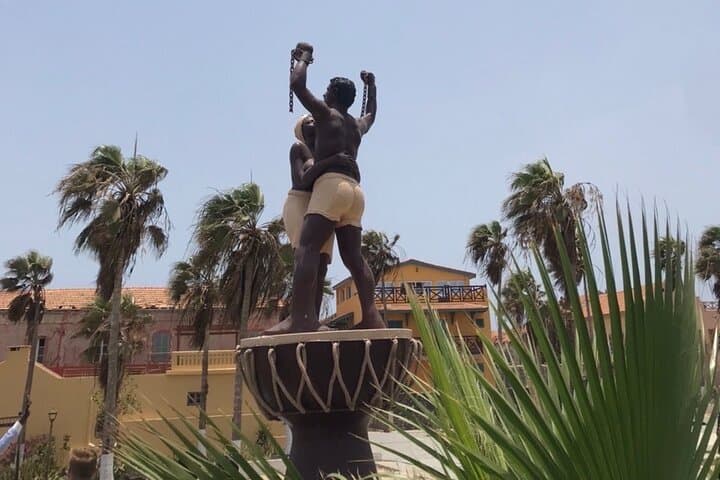
Gorée Island (a UNESCO site) was a key point in the transatlantic slave trade from the 16th to 19th centuries; the House of Slaves preserves those hard histories and asks for quiet attention. Dakar’s coastline and administrative quarters show 20th-century growth, while the African Renaissance Monument and seaside mosques speak to postcolonial identity and faith. Geologically, the area sits on coastal sediment and ancient bedrock shelves; expect cobbles and stepped paths more than long trails.
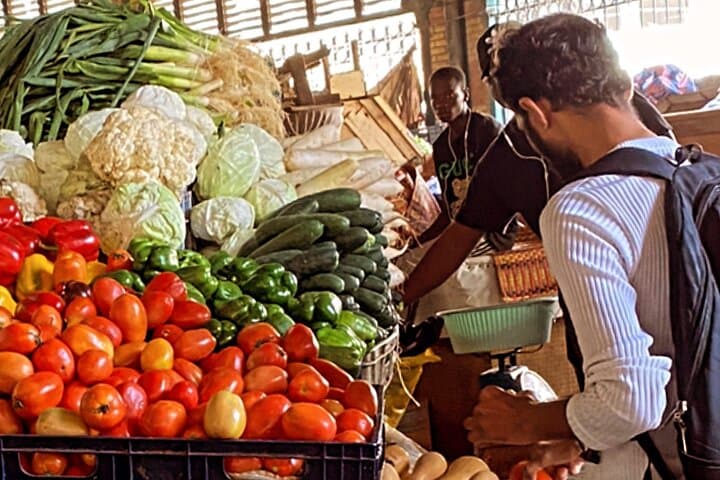
This full-day tour typically begins with an early ferry run to Gorée (be ready for police passport checks) and returns to explore Dakar’s markets, cathedral exterior, craft centers and viewpoints. You’ll walk uneven streets, climb short stairways and stand in small museums — comfortable shoes and sun protection make the day easier. Bring cash (West African CFA), a refillable water bottle, and modest clothing for religious sites. Plan for crowds on Gorée, especially mid-morning; visiting at first light eases congestion.
Practical tip: arrange pickup or confirm return times if you’re on a cruise timetable. Expect 8–9 hours, moderate walking, and a mix of quiet reflection and lively urban energy.
easy.
8–9 hours.
Suitable for travelers with average fitness; involves several hours of walking, standing, and stair climbs.
Yes—police at the ferry terminal may request identification, so carry your passport or national ID.
Lunch and one soda are included; notify the operator in advance about dietary restrictions so they can accommodate them.
Gorée is busiest mid-morning; taking the earliest ferry reduces crowds and provides a quieter experience at the House of Slaves.
Yes—this tour notes drop-off on time for cruise ships and hotels, but confirm your ship’s schedule during booking.
Gorée was a regional trading center from the 1500s and later implicated in the transatlantic slave trade; Dakar expanded in the 20th century as Senegal’s capital and cultural hub.
Coastal erosion and marine litter are local concerns; bring reusable containers, avoid plastic waste, and follow signage on protected sites.
VISIT SENEGAL operates guided outdoor trips and adventures with an emphasis on safety, stewardship, and memorable experiences.
You step off the ferry and the Atlantic pushes a salt-scented breeze toward the island, daring you to slow down and listen. Gorée’s narrow lanes slope between faded ochre houses; voices from cafés and craft stalls thread through the air. Later, Dakar’s broad avenues hum with traffic and market calls, a contrast that reveals Senegal’s layered rhythms.
You step off the ferry and the Atlantic pushes a salt-scented breeze toward the island, daring you to slow down and listen. Gorée’s narrow lanes slope between faded ochre houses; voices from cafés and craft stalls thread through the air. Later, Dakar’s broad avenues hum with traffic and market calls, a contrast that reveals Senegal’s layered rhythms.
Gorée Island (a UNESCO site) was a key point in the transatlantic slave trade from the 16th to 19th centuries; the House of Slaves preserves those hard histories and asks for quiet attention. Dakar’s coastline and administrative quarters show 20th-century growth, while the African Renaissance Monument and seaside mosques speak to postcolonial identity and faith. Geologically, the area sits on coastal sediment and ancient bedrock shelves; expect cobbles and stepped paths more than long trails.
This full-day tour typically begins with an early ferry run to Gorée (be ready for police passport checks) and returns to explore Dakar’s markets, cathedral exterior, craft centers and viewpoints. You’ll walk uneven streets, climb short stairways and stand in small museums — comfortable shoes and sun protection make the day easier. Bring cash (West African CFA), a refillable water bottle, and modest clothing for religious sites. Plan for crowds on Gorée, especially mid-morning; visiting at first light eases congestion.
Practical tip: arrange pickup or confirm return times if you’re on a cruise timetable. Expect 8–9 hours, moderate walking, and a mix of quiet reflection and lively urban energy.