THE ADVENTURE COLLECTIVE® · Independent discovery and booking for outdoor travel

A five-day dahabiya cruise from Luxor to Aswan lets you travel the Nile at the pace of the river—gentle sails, private guide, and daily temple visits from Karnak to Philae. It’s ideal for travelers who prefer quiet, intimate exploration over large-ship crowds.
A five-day dahabiya cruise from Luxor to Aswan lets you travel the Nile at the pace of the river—gentle sails, private guide, and daily temple visits from Karnak to Philae. It’s ideal for travelers who prefer quiet, intimate exploration over large-ship crowds.
You step aboard just before dawn; the dahabiya rocks like a cradle as the Nile pushes you south, palm-fringed banks sliding past and temple pylons catching the first light. On deck, coffee steams while the river breathes, carrying layers of history between Luxor and Aswan.
Verified experiences and guided adventures in the surrounding area.
Operated by Ahmed Ebeid Gabr · Luxor, Luxor Governorate
You step aboard just before dawn; the dahabiya rocks like a cradle as the Nile pushes you south, palm-fringed banks sliding past and temple pylons catching the first light. On deck, coffee steams while the river breathes, carrying layers of history between Luxor and Aswan.
This route threads the heart of pharaonic Egypt: Karnak and Luxor’s columned avenues, the rock-cut silence of the Valley of the Kings, then smaller but deeply evocative sites at Esna, Edfu, Kom Ombo and the island temple of Philae. Geologically, the Nile corridor is a narrow green ribbon where river-borne alluvium meets sandstone escarpments; settlements cluster where water and silt make life possible. Culturally, you’ll pass Ottoman caravanserais, lively markets such as Esna’s Al-Qissariya, and Nubian islands where craft traditions persist.
Practically, the dahabiya is slow travel: expect gentle days of guided walks and long, quiet sails. Accommodations are compact and comfortable with full board included; plan for sun, dust, and stairs at some temple entrances. Carry cash for market purchases and donations, bring layered sun protection, and wear grippy walking shoes for uneven temple steps. Mornings are best for cooler touring; afternoons suit reading on deck or short excursions. The experience rewards patience—temples reveal details in quiet moments—and a modest level of mobility is useful for accessing ramps and steps. With an Egyptologist guide and private transfers included, this cruise balances immersive history with relaxed, shipboard ease.
easy.
5 days.
Light fitness is sufficient—able to walk 1–3 miles over uneven ground and manage stairs on and off the boat.
Yes—this itinerary includes full board (breakfast, lunch, dinner) on four nights aboard the dahabiya with meals often served on deck.
Walks are usually short to moderate (30–90 minutes) at archaeological sites; expect uneven terrain and stairs rather than long hikes.
The cruise is listed as wheelchair accessible in part, but many temples have stairs and uneven surfaces—check specific accessibility needs with the operator before booking.
A professional Egyptologist guide conducts the tours, typically in English; ask about other languages when booking.
The dahabiya revives a nineteenth-century style of private Nile travel, linking pharaonic monuments shaped by millennia of Nile irrigation and sandstone quarrying.
The Nile corridor faces pressures from pollution and development; low-waste travel, respectful site behavior, and supporting local conservation initiatives help protect both cultural and natural heritage.
Ahmed Ebeid Gabr operates guided outdoor trips and adventures with an emphasis on safety, stewardship, and memorable experiences.
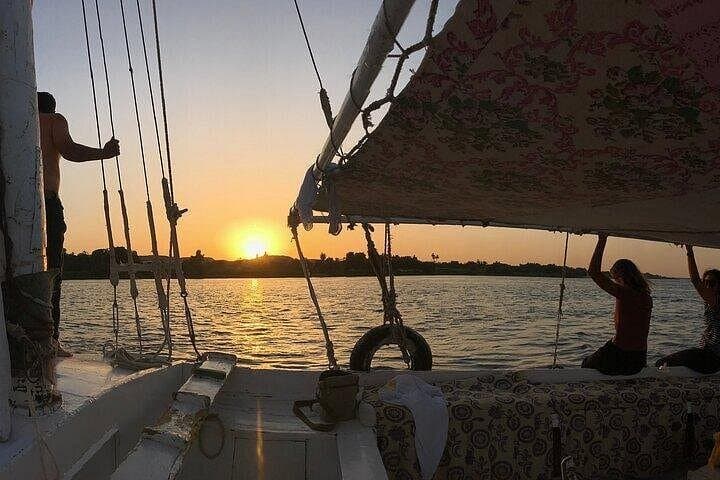
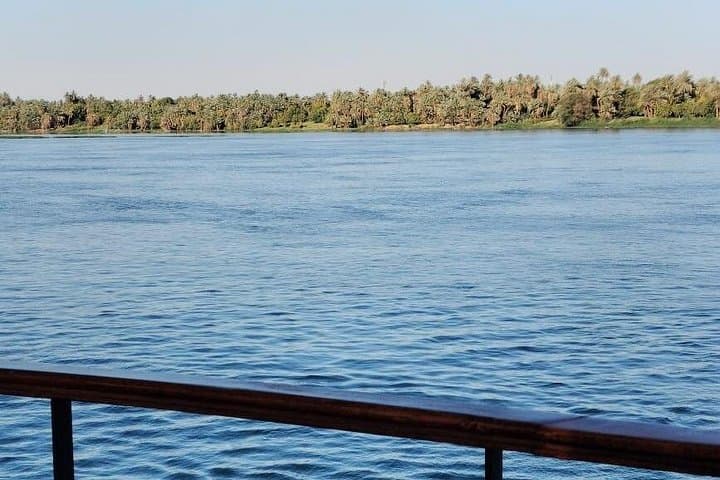
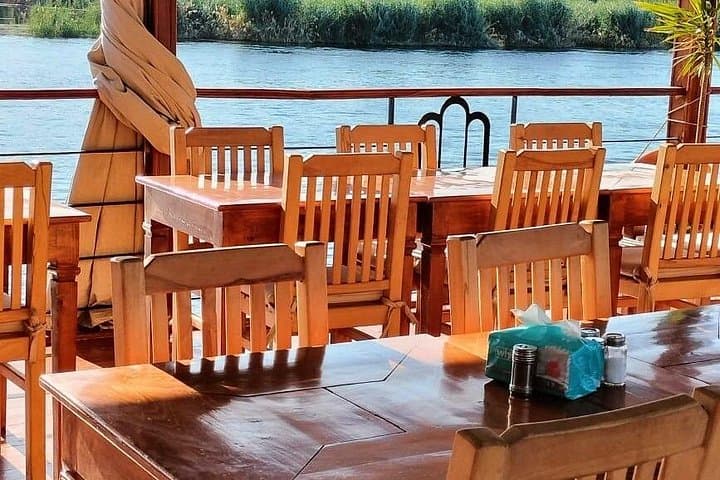
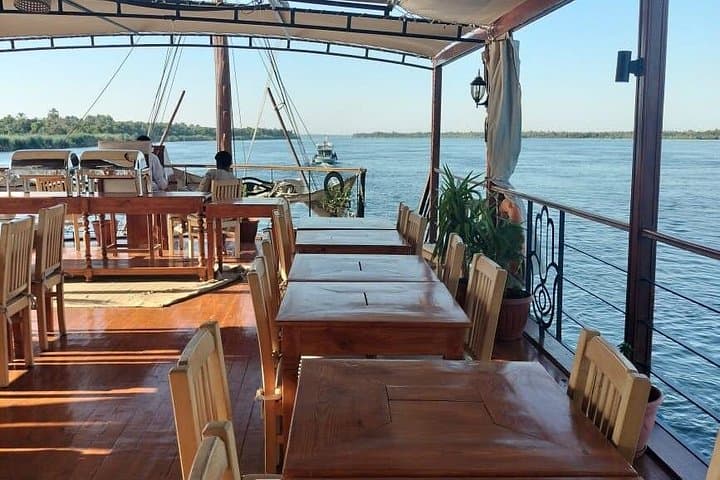
You step aboard just before dawn; the dahabiya rocks like a cradle as the Nile pushes you south, palm-fringed banks sliding past and temple pylons catching the first light. On deck, coffee steams while the river breathes, carrying layers of history between Luxor and Aswan.
You step aboard just before dawn; the dahabiya rocks like a cradle as the Nile pushes you south, palm-fringed banks sliding past and temple pylons catching the first light. On deck, coffee steams while the river breathes, carrying layers of history between Luxor and Aswan.
This route threads the heart of pharaonic Egypt: Karnak and Luxor’s columned avenues, the rock-cut silence of the Valley of the Kings, then smaller but deeply evocative sites at Esna, Edfu, Kom Ombo and the island temple of Philae. Geologically, the Nile corridor is a narrow green ribbon where river-borne alluvium meets sandstone escarpments; settlements cluster where water and silt make life possible. Culturally, you’ll pass Ottoman caravanserais, lively markets such as Esna’s Al-Qissariya, and Nubian islands where craft traditions persist.
Practically, the dahabiya is slow travel: expect gentle days of guided walks and long, quiet sails. Accommodations are compact and comfortable with full board included; plan for sun, dust, and stairs at some temple entrances. Carry cash for market purchases and donations, bring layered sun protection, and wear grippy walking shoes for uneven temple steps. Mornings are best for cooler touring; afternoons suit reading on deck or short excursions. The experience rewards patience—temples reveal details in quiet moments—and a modest level of mobility is useful for accessing ramps and steps. With an Egyptologist guide and private transfers included, this cruise balances immersive history with relaxed, shipboard ease.