THE ADVENTURE COLLECTIVE® · Independent discovery and booking for outdoor travel

Glide between Luxor and Aswan aboard a restored dahabiya, visiting Valley of the Kings, Edfu, Kom Ombo and Philae over five unhurried days. This small-ship cultural cruise pairs expert Egyptologist-led excursions with relaxed rivertime.
Glide between Luxor and Aswan aboard a restored dahabiya, visiting Valley of the Kings, Edfu, Kom Ombo and Philae over five unhurried days. This small-ship cultural cruise pairs expert Egyptologist-led excursions with relaxed rivertime.
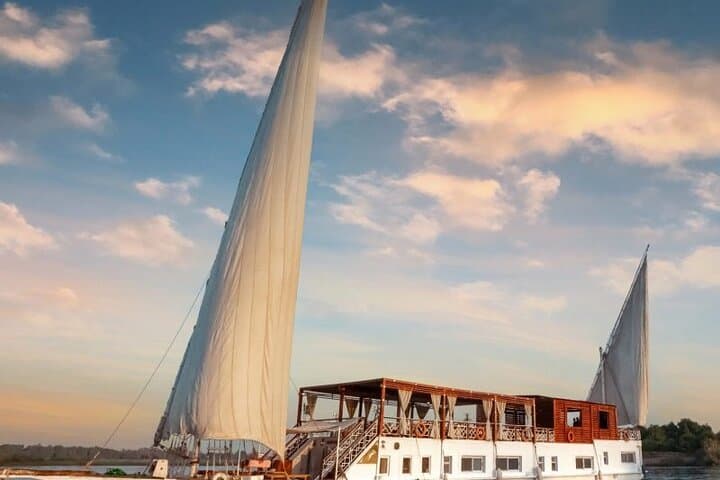
You step aboard a low-slung dahabiya as the Nile breathes against its hull, the river pulling the boat gently downstream between temple-crowned banks. Morning light strips gold across stone colossi; feluccas peel away like paper boats in the current. This is a slow crossing of time as much as distance—Luxor’s funerary plains receding, Aswan’s granite bluffs approaching.
Verified experiences and guided adventures in the surrounding area.
Operated by Tour Egypt Club - Private Day Tours · Luxor, Luxor Governorate
You step aboard a low-slung dahabiya as the Nile breathes against its hull, the river pulling the boat gently downstream between temple-crowned banks. Morning light strips gold across stone colossi; feluccas peel away like paper boats in the current. This is a slow crossing of time as much as distance—Luxor’s funerary plains receding, Aswan’s granite bluffs approaching.
The Dahabiya is a traditional Egyptian sailboat adapted for intimate cruising in the nineteenth century by travelers seeking a quieter Nile passage. Geologically the river carves a corridor through sandstone and granite; near Silsila the channel narrows and cliffs rise, revealing ancient quarries. Culturally, the route threads pharaonic temples—Valley of the Kings, Hatshepsut, Edfu, Kom Ombo and Philae—sites whose reliefs record political and religious life across millennia.
Onboard life is unhurried: breakfasts on deck, short guided walks ashore, and afternoons for reading or watching fishermen challenge the current. Practicalities matter—temperatures can surge mid-day, and shade is limited on temple visits. Wear supportive walking shoes for uneven stone and bring layers for breezy mornings and cooler evenings on the water.
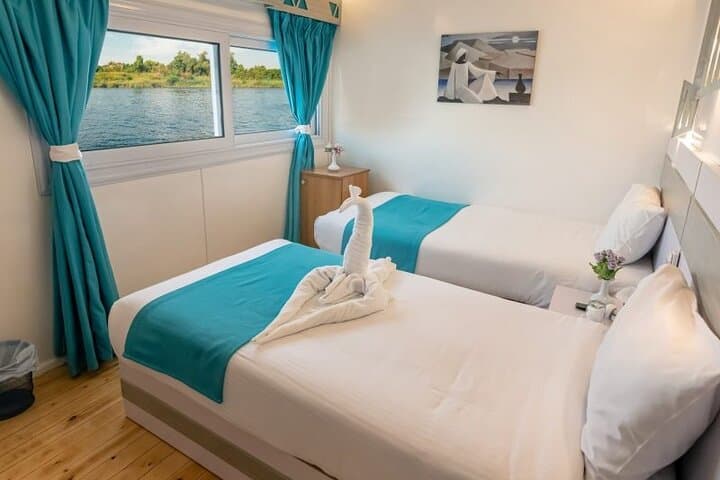
Expect short transfers by AC vehicle, an Egyptologist-led tour at each major stop, and full-board meals on the dahabiya. Photographic light is best early and late; plan temple visits for cooler hours, carry water and modest clothing for sacred sites, and allow time to simply watch the Nile do what it has done for millennia: push life forward along its banks.
easy.
5 days.
Suitable for most fitness levels; includes short guided walks on uneven archaeological sites and stairs inside tombs
The dahabiya and scheduled transfers are described as wheelchair accessible, but shore access at ancient sites often involves uneven terrain and steps—check specifics with the operator for individual needs.
Yes; full-board accommodation on the dahabiya includes daily breakfast, lunch and dinner as listed in the itinerary.
Visitors to Egypt must hold a valid passport and, depending on nationality, may require a visa—arrange prior to travel and ensure passport validity meets entry requirements.
Fall through spring (October–April) offers milder daytime temperatures and clearer skies; summer is hottest but still workable with early starts and shaded breaks.
The dahabiya evolved as a low-draft luxury vessel for nineteenth-century travelers; the Luxor–Aswan corridor has been a continuous cultural highway since pharaonic times.
The Nile corridor faces pressures from water management and development; choose operators who minimize waste, respect archaeological sites, and support local communities.
Tour Egypt Club - Private Day Tours operates guided outdoor trips and adventures with an emphasis on safety, stewardship, and memorable experiences.


You step aboard a low-slung dahabiya as the Nile breathes against its hull, the river pulling the boat gently downstream between temple-crowned banks. Morning light strips gold across stone colossi; feluccas peel away like paper boats in the current. This is a slow crossing of time as much as distance—Luxor’s funerary plains receding, Aswan’s granite bluffs approaching.
You step aboard a low-slung dahabiya as the Nile breathes against its hull, the river pulling the boat gently downstream between temple-crowned banks. Morning light strips gold across stone colossi; feluccas peel away like paper boats in the current. This is a slow crossing of time as much as distance—Luxor’s funerary plains receding, Aswan’s granite bluffs approaching.
The Dahabiya is a traditional Egyptian sailboat adapted for intimate cruising in the nineteenth century by travelers seeking a quieter Nile passage. Geologically the river carves a corridor through sandstone and granite; near Silsila the channel narrows and cliffs rise, revealing ancient quarries. Culturally, the route threads pharaonic temples—Valley of the Kings, Hatshepsut, Edfu, Kom Ombo and Philae—sites whose reliefs record political and religious life across millennia.
Onboard life is unhurried: breakfasts on deck, short guided walks ashore, and afternoons for reading or watching fishermen challenge the current. Practicalities matter—temperatures can surge mid-day, and shade is limited on temple visits. Wear supportive walking shoes for uneven stone and bring layers for breezy mornings and cooler evenings on the water.
Expect short transfers by AC vehicle, an Egyptologist-led tour at each major stop, and full-board meals on the dahabiya. Photographic light is best early and late; plan temple visits for cooler hours, carry water and modest clothing for sacred sites, and allow time to simply watch the Nile do what it has done for millennia: push life forward along its banks.