THE ADVENTURE COLLECTIVE® · Independent discovery and booking for outdoor travel

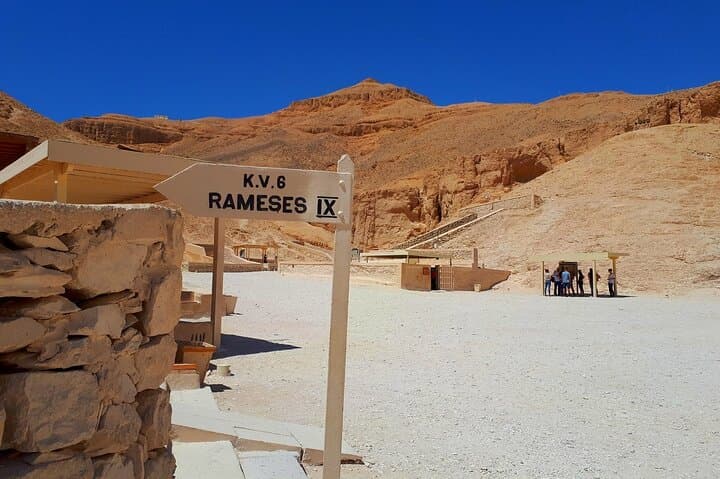
Sail the Nile in a private dahabiya on a 3‑night Aswan to Luxor voyage that pairs comfortable cabins and a sundeck with guided visits to Kom Ombo, Edfu and Luxor’s Valley of the Kings. A leisurely way to see Egypt’s temples with daily shore excursions and local cuisine.
Sail the Nile in a private dahabiya on a 3‑night Aswan to Luxor voyage that pairs comfortable cabins and a sundeck with guided visits to Kom Ombo, Edfu and Luxor’s Valley of the Kings. A leisurely way to see Egypt’s temples with daily shore excursions and local cuisine.
Morning light slides across the Nile and the dahabiya answers with a quiet push of sails — slow, deliberate, intimate. Onboard, teak and colonial fittings set a relaxed tempo as the river unrolls palm-lined banks, fishermen casting from feluccas, and small villages sliding past like a living postcard.
Verified experiences and guided adventures in the surrounding area.
Operated by Luxor Travels · Aswan, Aswan
Morning light slides across the Nile and the dahabiya answers with a quiet push of sails — slow, deliberate, intimate. Onboard, teak and colonial fittings set a relaxed tempo as the river unrolls palm-lined banks, fishermen casting from feluccas, and small villages sliding past like a living postcard.
This sailing follows the Nile’s historic channel between Aswan and Luxor, a corridor of pharaonic temples, Greco‑Roman ruins and modern engineering like the Aswan High Dam. Dahabiyas became a favored mode of travel in the 19th century when travelers sought a more private, slow-paced alternative to larger steamers; today they pair that romance with ensuite cabins, air-conditioning and chef-prepared Egyptian meals.
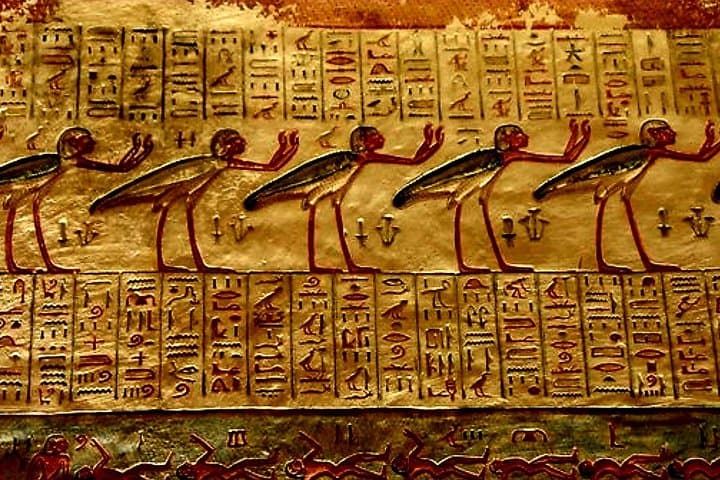
Geology is visible in the exposed Nubian sandstone and the gentle terraces where the river has carved its path. Culture arrives in temple reliefs — Sobek’s crocodiles in Kom Ombo, Horus’s falcon in Edfu, the sprawling sanctuaries of Karnak — and in the riverside rhythm of Nubian settlements.
Practical guidance: this is a leisure cruise designed for low exertion but high engagement. Expect guided shore excursions each day, modest walking on uneven temple ramps and short vehicle transfers. Carry sunscreens, a brimmed hat and comfortable walking shoes; dawn and evening can be cool, so a light layer is useful. Bring local currency for tips and small purchases; confirmations require passport details. Travel with a licensed operator, respect archaeological sites, and plan for early starts if you add optional visits like Abu Simbel.
A dahabiya trip is less about rushing and more about letting the Nile push you forward — slow, reliable, and richly storied.
easy.
3–4 days.
Light activity level; capable of walking short uneven stretches and climbing temple steps; suitable for most fitness levels.
Abu Simbel is offered as an optional excursion at extra cost and typically requires an early start from Aswan; confirm availability when booking.
The tour usually includes 3 nights accommodation aboard the dahabiya, meals as per itinerary, guided sightseeing with an Egyptologist, and hotel/port pickup; check the specific operator listing for details.
Most temple visits involve short walks on uneven ground and steps; they are low-impact but not wheelchair accessible in many spots.
Tipping is customary—budget modest daily amounts for the guide and crew in local currency; your operator can advise recommended sums.
Dahabiyas were a 19th-century favorite for travelers seeking private river travel; the route traces settlements and temples built along the Nile over millennia.
Tourism and changing Nile management affect archaeological sites and river ecology; choose licensed operators, avoid touching reliefs, and carry out waste to minimize impact.
Luxor Travels operates guided outdoor trips and adventures with an emphasis on safety, stewardship, and memorable experiences.
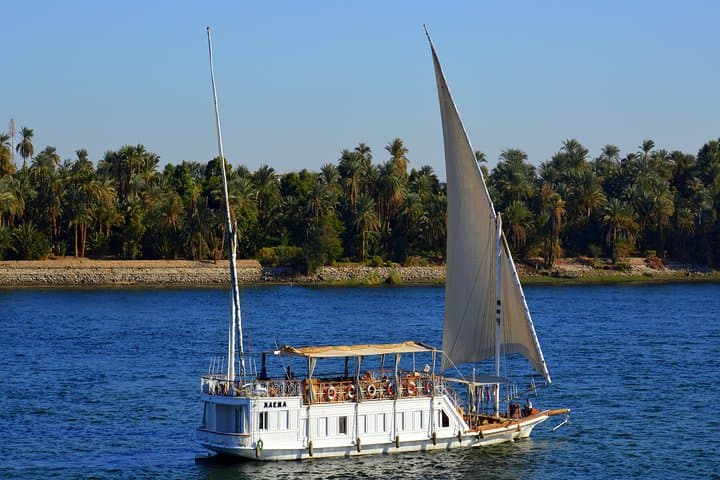
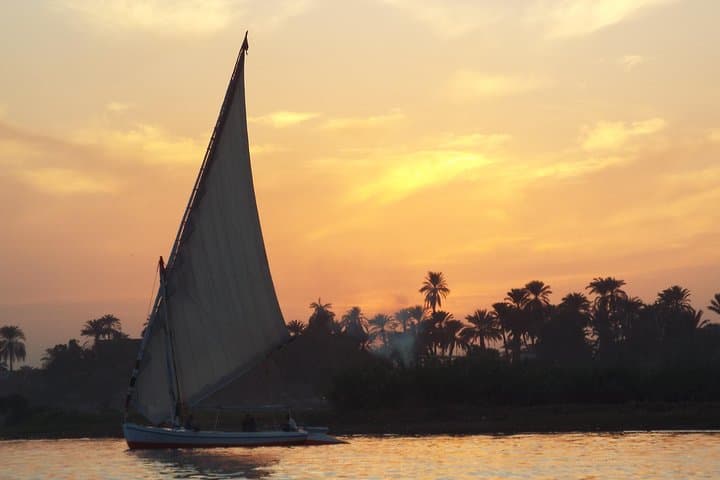
Morning light slides across the Nile and the dahabiya answers with a quiet push of sails — slow, deliberate, intimate. Onboard, teak and colonial fittings set a relaxed tempo as the river unrolls palm-lined banks, fishermen casting from feluccas, and small villages sliding past like a living postcard.
Morning light slides across the Nile and the dahabiya answers with a quiet push of sails — slow, deliberate, intimate. Onboard, teak and colonial fittings set a relaxed tempo as the river unrolls palm-lined banks, fishermen casting from feluccas, and small villages sliding past like a living postcard.
This sailing follows the Nile’s historic channel between Aswan and Luxor, a corridor of pharaonic temples, Greco‑Roman ruins and modern engineering like the Aswan High Dam. Dahabiyas became a favored mode of travel in the 19th century when travelers sought a more private, slow-paced alternative to larger steamers; today they pair that romance with ensuite cabins, air-conditioning and chef-prepared Egyptian meals.
Geology is visible in the exposed Nubian sandstone and the gentle terraces where the river has carved its path. Culture arrives in temple reliefs — Sobek’s crocodiles in Kom Ombo, Horus’s falcon in Edfu, the sprawling sanctuaries of Karnak — and in the riverside rhythm of Nubian settlements.
Practical guidance: this is a leisure cruise designed for low exertion but high engagement. Expect guided shore excursions each day, modest walking on uneven temple ramps and short vehicle transfers. Carry sunscreens, a brimmed hat and comfortable walking shoes; dawn and evening can be cool, so a light layer is useful. Bring local currency for tips and small purchases; confirmations require passport details. Travel with a licensed operator, respect archaeological sites, and plan for early starts if you add optional visits like Abu Simbel.
A dahabiya trip is less about rushing and more about letting the Nile push you forward — slow, reliable, and richly storied.