THE ADVENTURE COLLECTIVE® · Independent discovery and booking for outdoor travel

Combine Cairo’s world-class archaeology with a private dahabiya cruise on the Nile. Over eight days, explore pyramids, temples, quarries and rural river life with expert guides and comfortable transfers.
Combine Cairo’s world-class archaeology with a private dahabiya cruise on the Nile. Over eight days, explore pyramids, temples, quarries and rural river life with expert guides and comfortable transfers.
The morning light stretches along the Nile and the dahabiya eases away from Aswan’s jetty, the river carrying you north with a slow, insistent confidence. On shore, Cairo’s skyline waits with pyramids and museum facades; on the water, the current dares you to slow down and pay attention.
Verified experiences and guided adventures in the surrounding area.
Operated by Bastet Travel · Cairo, Cairo Governorate
The morning light stretches along the Nile and the dahabiya eases away from Aswan’s jetty, the river carrying you north with a slow, insistent confidence. On shore, Cairo’s skyline waits with pyramids and museum facades; on the water, the current dares you to slow down and pay attention.
This eight-day loop pairs Cairo’s monumental archaeology—Giza’s Great Pyramid, the Sphinx, and the Step Pyramid at Sakkara—with a private dahabiya cruise through Upper Egypt. Geology shapes the route: the Nile’s alluvial plain gives way to sandstone outcrops at Gebel El Silsila, the ancient quarries that supplied temple blocks, and the dramatic rock cuts around Edfu and Kom Ombo. Culture is immediate and local—mud-brick villages, date palms lining the riverbanks, and markets where centuries-old crafts persist.
History is layered: pharaonic tombs at the Valley of the Kings, the colossal columns of Karnak, and the well-preserved Greco-Roman Temple of Horus at Edfu. Between sites are scenes of everyday rural life—the slow pace of fishermen on feluccas, farmers tending narrow green plots that feed the population.
Practical guidance: expect mostly flat walking with short stair sections in temples and a moderate 30–60 minute rocky ascent at Silsila (≈150 m gain). Temperatures can swing sharply—sun protection and light layers are essential. Domestic flights connect Aswan and Luxor with Cairo; trips include private transfers, entrance fees, and expert Egyptologist guides. Bring cash for small vendors, a comfortable pair of closed-toe shoes for ruins, and patience—the Nile rewards those who move at its pace.
easy.
8 days.
Suitable for travelers in general good health; involves full days of walking and short hikes—basic stamina required
Yes—pacing is moderate and the itinerary notes "suitable for all physical fitness levels," but parents and older travelers should plan for full days and temple stairs; private vehicles and guides reduce strain.
Yes—the tour includes entrance fees to listed sites and domestic flights (Cairo–Aswan and Luxor–Cairo) as described in the inclusions.
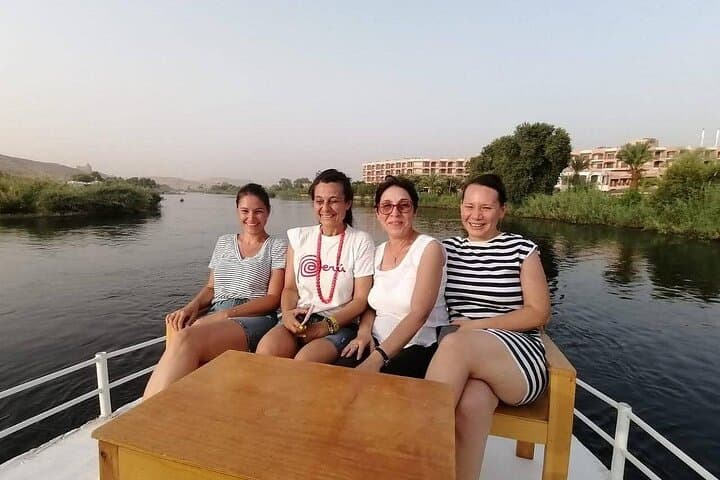
Yes—cruise days include leisure time on deck for relaxing, watching the riverbanks, and short guided walks on shore at scheduled stops.
Tipping is customary for guides, drivers, and crew; carry small-denomination local currency for daily tips and incidental purchases where cards are not accepted.
The Nile corridor has been Egypt’s lifeline for millennia; many temples were built directly from quarried sandstone at sites like Gebel El Silsila using river transport.
Tour operators generally promote low-impact visits—stay on marked paths, avoid touching reliefs, and minimize single-use plastics to protect fragile archaeological sites and the Nile’s ecosystem.
Bastet Travel operates guided outdoor trips and adventures with an emphasis on safety, stewardship, and memorable experiences.
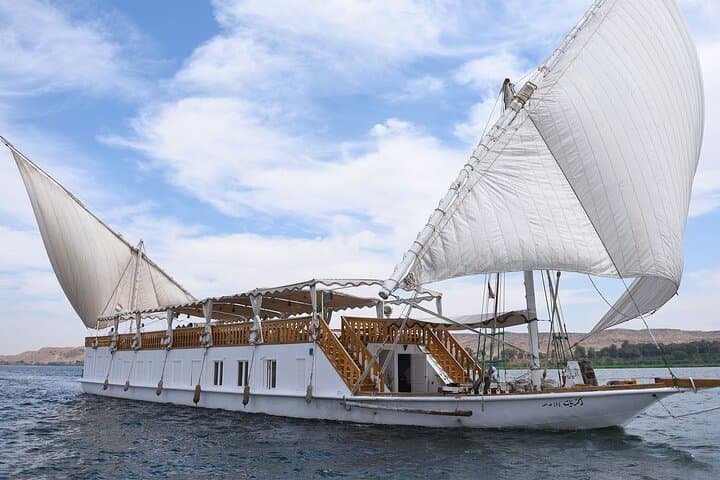
The morning light stretches along the Nile and the dahabiya eases away from Aswan’s jetty, the river carrying you north with a slow, insistent confidence. On shore, Cairo’s skyline waits with pyramids and museum facades; on the water, the current dares you to slow down and pay attention.
The morning light stretches along the Nile and the dahabiya eases away from Aswan’s jetty, the river carrying you north with a slow, insistent confidence. On shore, Cairo’s skyline waits with pyramids and museum facades; on the water, the current dares you to slow down and pay attention.
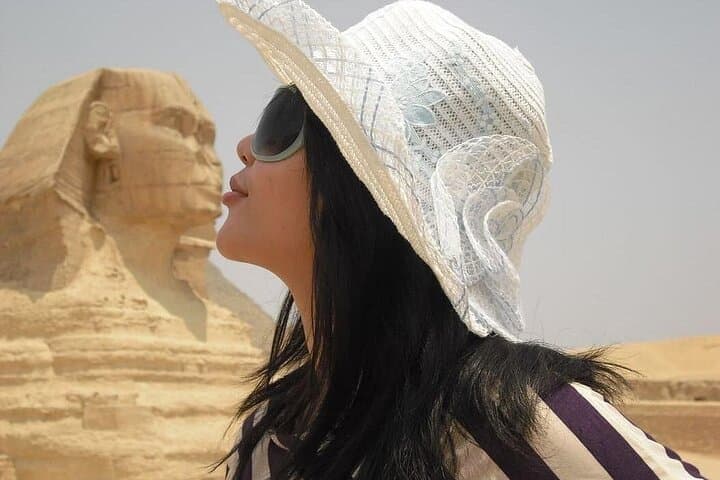
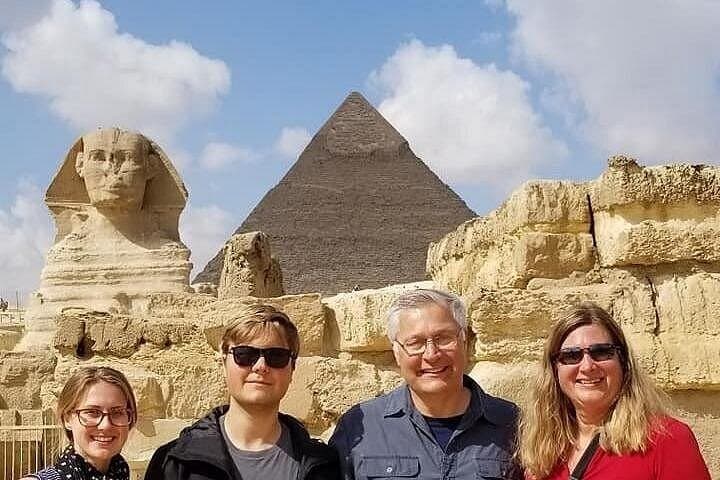
This eight-day loop pairs Cairo’s monumental archaeology—Giza’s Great Pyramid, the Sphinx, and the Step Pyramid at Sakkara—with a private dahabiya cruise through Upper Egypt. Geology shapes the route: the Nile’s alluvial plain gives way to sandstone outcrops at Gebel El Silsila, the ancient quarries that supplied temple blocks, and the dramatic rock cuts around Edfu and Kom Ombo. Culture is immediate and local—mud-brick villages, date palms lining the riverbanks, and markets where centuries-old crafts persist.
History is layered: pharaonic tombs at the Valley of the Kings, the colossal columns of Karnak, and the well-preserved Greco-Roman Temple of Horus at Edfu. Between sites are scenes of everyday rural life—the slow pace of fishermen on feluccas, farmers tending narrow green plots that feed the population.
Practical guidance: expect mostly flat walking with short stair sections in temples and a moderate 30–60 minute rocky ascent at Silsila (≈150 m gain). Temperatures can swing sharply—sun protection and light layers are essential. Domestic flights connect Aswan and Luxor with Cairo; trips include private transfers, entrance fees, and expert Egyptologist guides. Bring cash for small vendors, a comfortable pair of closed-toe shoes for ruins, and patience—the Nile rewards those who move at its pace.