THE ADVENTURE COLLECTIVE® · Independent discovery and booking for outdoor travel

Sail a traditional dahabiya from Aswan to Luxor over six relaxed days, visiting temples, island stopovers, and riverside villages. This small-ship cruise combines luxury lodging with guided archaeological excursions and swimming opportunities along the Nile.
Sail a traditional dahabiya from Aswan to Luxor over six relaxed days, visiting temples, island stopovers, and riverside villages. This small-ship cruise combines luxury lodging with guided archaeological excursions and swimming opportunities along the Nile.
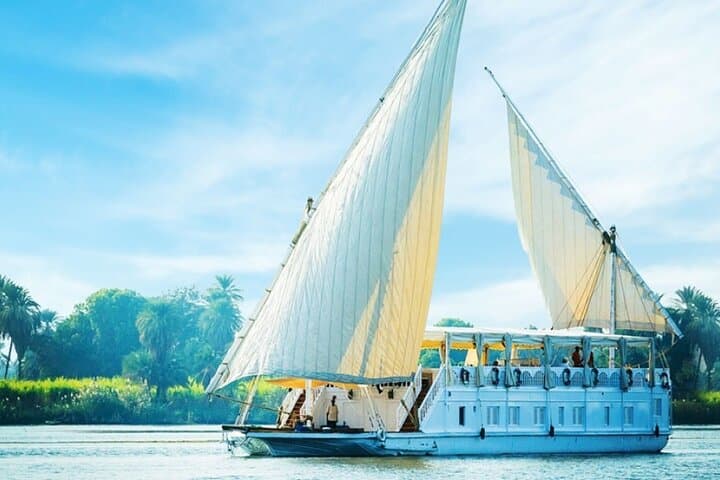
Morning light slices the Nile as the dahabiya lifts from Aswan—a low-lying ember of a boat that moves with the current's patient pull. You stand on a teak deck, the river daring you to slow down; palms slip past like pages in an old travel journal. Over six days the boat threads a corridor of crumbly sandstone, village gardens, and monumental stone that keeps watch from both banks.
Verified experiences and guided adventures in the surrounding area.
Operated by Egypt Best Day Tours · Aswan, Aswan Governorate
Morning light slices the Nile as the dahabiya lifts from Aswan—a low-lying ember of a boat that moves with the current's patient pull. You stand on a teak deck, the river daring you to slow down; palms slip past like pages in an old travel journal. Over six days the boat threads a corridor of crumbly sandstone, village gardens, and monumental stone that keeps watch from both banks.
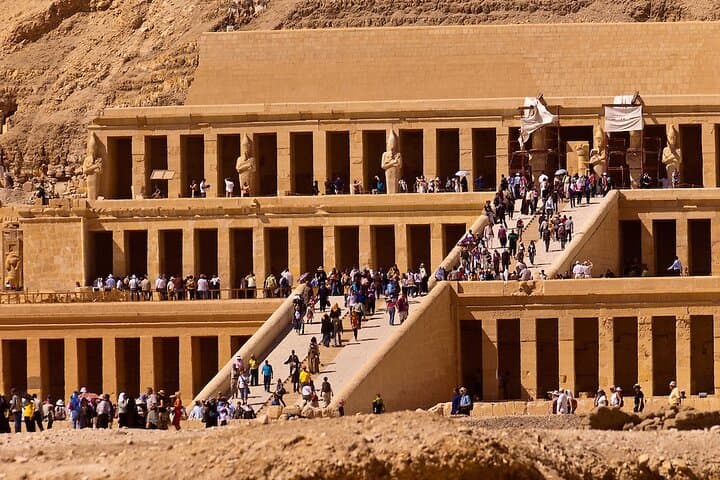
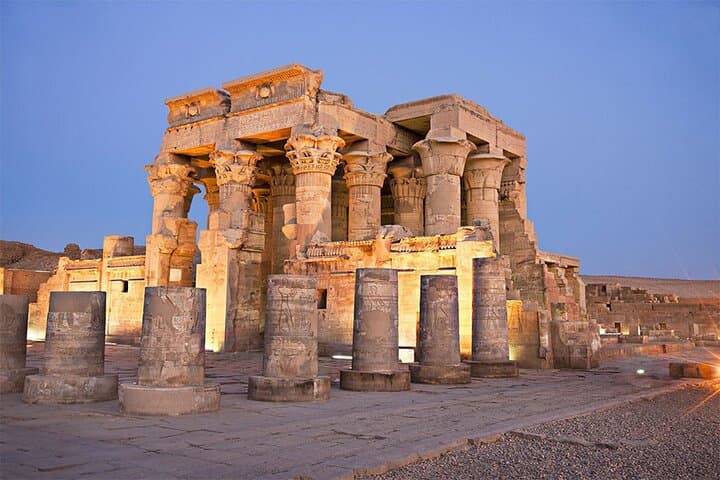
This route follows one of Egypt's oldest trade arteries. Between Esna and Luxor, Ptolemaic and Pharaonic temples punctuate the shore: Edfu's Horus complex, Kom Ombo's dual sanctuaries to Sobek and Haroeris, and the royal tombs near El Kab. Geologically, the Nile here carves through Nubian sandstone and floodplain silts; islands and narrow passages like Gebel Silsileh tell the story of seasonal floods and millennia of human rivercraft.
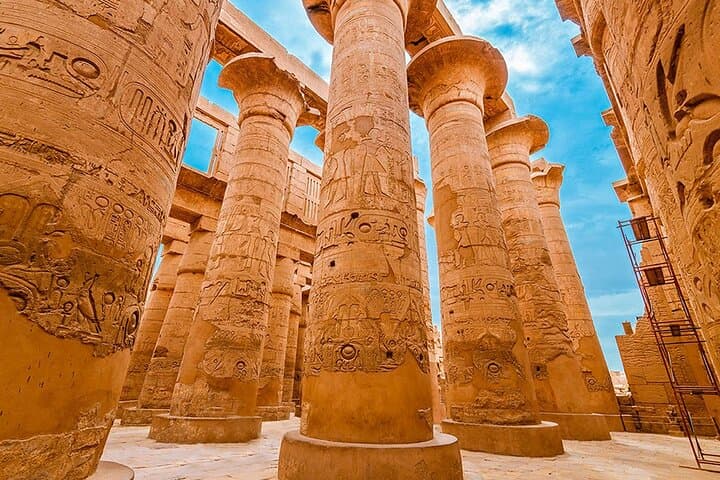
Culture is immediate—market chatter in Esna, the muffled thud of feluccas tying off at dusk, and the careful rituals at temple thresholds. An Egyptologist guide decodes cartouches and points out the practical ingenuity of ancient quarries.
Practical side: pack light but complete—modest temple clothing, sun protection, and sturdy shoes for uneven stone. Mornings and late afternoons are prime for shore walks; midday is best for siesta or shade on deck. Keep cash in small bills for tips and purchases; cellular coverage is intermittent, so download maps and copies of reservations. Expect gentle motion underfoot, short on technical demand but rich in walking on archaeological terrain. Move with the river's cadence and you'll leave with a clearer sense of how the Nile shaped civilization—and how it still moves people today.
moderate.
6 days.
Suitable for travelers in average physical condition; requires short to moderate walks on uneven temple steps and optional island strolls.
Most travelers arrive by taxi or arranged transfer from Aswan city center or the airport; confirm your pickup point when booking as docks vary.
This itinerary lists entrance fees as included—double-check your confirmation for any optional extras like guide-led inner sanctum access.
Yes—this is a private, calm-boat cruise with flexible activities, though infants should be supervised near water and on uneven sites.
Carry small Egyptian pound notes for local purchases and tips; crews and guides typically expect gratuities at journey's end.
This stretch of the Nile has linked Upper and Lower Egypt for millennia; many Ptolemaic temples here were built atop older Pharaonic foundations and adapted over time.
River health depends on responsible waste and water use—avoid single-use plastics aboard and follow crew guidance to minimize impact on riverbanks and archaeological sites.
Egypt Best Day Tours operates guided outdoor trips and adventures with an emphasis on safety, stewardship, and memorable experiences.
Morning light slices the Nile as the dahabiya lifts from Aswan—a low-lying ember of a boat that moves with the current's patient pull. You stand on a teak deck, the river daring you to slow down; palms slip past like pages in an old travel journal. Over six days the boat threads a corridor of crumbly sandstone, village gardens, and monumental stone that keeps watch from both banks.
Morning light slices the Nile as the dahabiya lifts from Aswan—a low-lying ember of a boat that moves with the current's patient pull. You stand on a teak deck, the river daring you to slow down; palms slip past like pages in an old travel journal. Over six days the boat threads a corridor of crumbly sandstone, village gardens, and monumental stone that keeps watch from both banks.
This route follows one of Egypt's oldest trade arteries. Between Esna and Luxor, Ptolemaic and Pharaonic temples punctuate the shore: Edfu's Horus complex, Kom Ombo's dual sanctuaries to Sobek and Haroeris, and the royal tombs near El Kab. Geologically, the Nile here carves through Nubian sandstone and floodplain silts; islands and narrow passages like Gebel Silsileh tell the story of seasonal floods and millennia of human rivercraft.
Culture is immediate—market chatter in Esna, the muffled thud of feluccas tying off at dusk, and the careful rituals at temple thresholds. An Egyptologist guide decodes cartouches and points out the practical ingenuity of ancient quarries.
Practical side: pack light but complete—modest temple clothing, sun protection, and sturdy shoes for uneven stone. Mornings and late afternoons are prime for shore walks; midday is best for siesta or shade on deck. Keep cash in small bills for tips and purchases; cellular coverage is intermittent, so download maps and copies of reservations. Expect gentle motion underfoot, short on technical demand but rich in walking on archaeological terrain. Move with the river's cadence and you'll leave with a clearer sense of how the Nile shaped civilization—and how it still moves people today.