THE ADVENTURE COLLECTIVE® · Independent discovery and booking for outdoor travel

Sail Upper Egypt aboard a traditional dahabiya from Luxor to Aswan over five days, visiting the Valley of the Kings, Edfu, Kom Ombo and Philae. This intimate cruise blends relaxed river travel with guided visits to ancient sites and village stops along the Nile.
Sail Upper Egypt aboard a traditional dahabiya from Luxor to Aswan over five days, visiting the Valley of the Kings, Edfu, Kom Ombo and Philae. This intimate cruise blends relaxed river travel with guided visits to ancient sites and village stops along the Nile.
At dawn the dahabiya slips away from Luxor’s quay, canvas catching a warm breeze while the River Nile lays out a slow, changing map of palm-lined banks and low islands. The vessel moves with the wind; the river nudges the hull and the shore recedes like pages turning. On deck, passengers trade sleep for light—coffee, the distant call to prayer, and the first shafted views of temple pylons rising above date palms.
Verified experiences and guided adventures in the surrounding area.
Operated by Egypt Best Day Tours · Luxor, Luxor Governorate
At dawn the dahabiya slips away from Luxor’s quay, canvas catching a warm breeze while the River Nile lays out a slow, changing map of palm-lined banks and low islands. The vessel moves with the wind; the river nudges the hull and the shore recedes like pages turning. On deck, passengers trade sleep for light—coffee, the distant call to prayer, and the first shafted views of temple pylons rising above date palms.
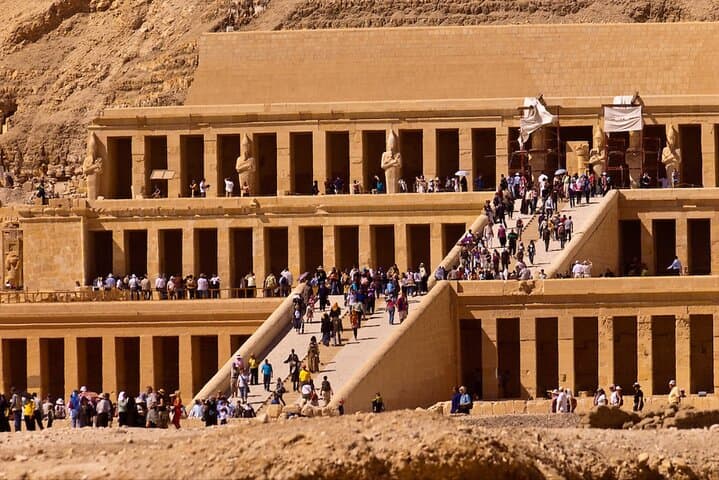
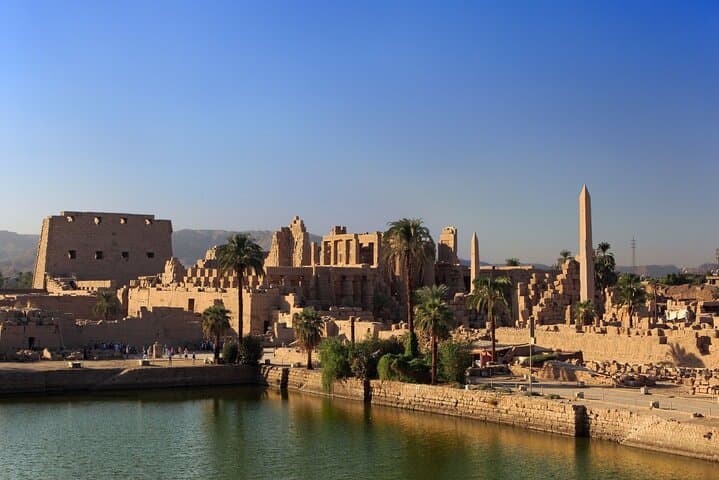
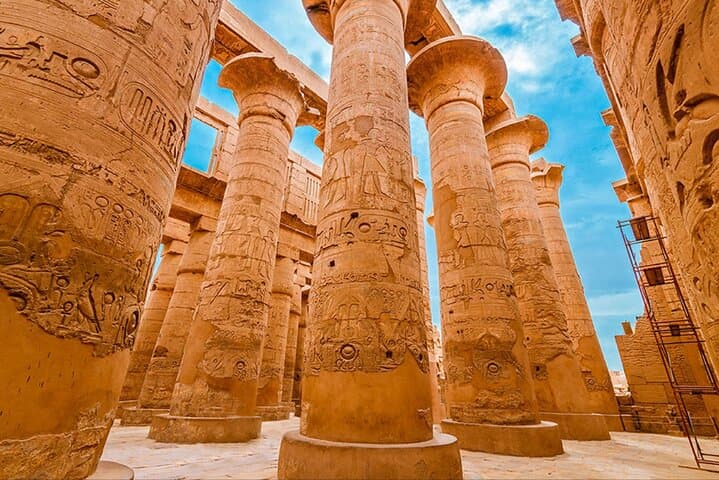
This five‑day route threads Upper Egypt’s living history: the tombs of the Valley of the Kings, Hatshepsut’s terraced mortuary temple, the Colossi of Memnon, and the vast columns of Karnak. Geologically, the Nile has cut a fertile ribbon through sedimentary alluvium, with harder Nubian sandstone and granite outcrops near Aswan—the same stone craftsmen used for the Unfinished Obelisk. Cultural life stays close to the water; fishermen, farmers and market stalls line canals that still irrigate traditional felukas and orchards.
Expect slow days of sailing broken by concentrated walks at archaeological sites and village stops where markets and gardens offer a direct look at rural Egyptian rhythms. Practicalities: travel light but bring layered clothing for cool mornings and hot afternoons, a sun hat, refillable water bottle, and comfortable shoes for uneven temple steps. Carry local currency for small purchases and tips. The itinerary suits travelers wanting relaxed discovery rather than a rushed tour—permit time to read inscriptions on site and watch the Nile itself change color under every sunset.
easy.
5 days.
Suitable for most fitness levels; requires short walks on uneven ground and boarding small boats
Entrance fees are typically not included in the base cruise price; check your booking details and bring cash or pay by card where accepted.
Dress is casual and modest—lightweight long sleeves and trousers respect local customs during temple visits; comfortable daytime clothes for sailing are fine.
Yes—this itinerary is described as physically easy, but expect steps at sites and occasional short walks; notify the operator of mobility needs when booking.
Tipping is customary for guides and crew; plan a modest daily amount per passenger and settle any special services directly with staff.
This stretch of the Nile was the political and religious heartland of ancient Egypt; royal tombs and temples reflect millennia of ritual, quarrying and river-centered agriculture.
The Nile’s ecology is sensitive to pollution and water management; choose operators who use refillable water systems and respect local waste practices.
Egypt Best Day Tours operates guided outdoor trips and adventures with an emphasis on safety, stewardship, and memorable experiences.
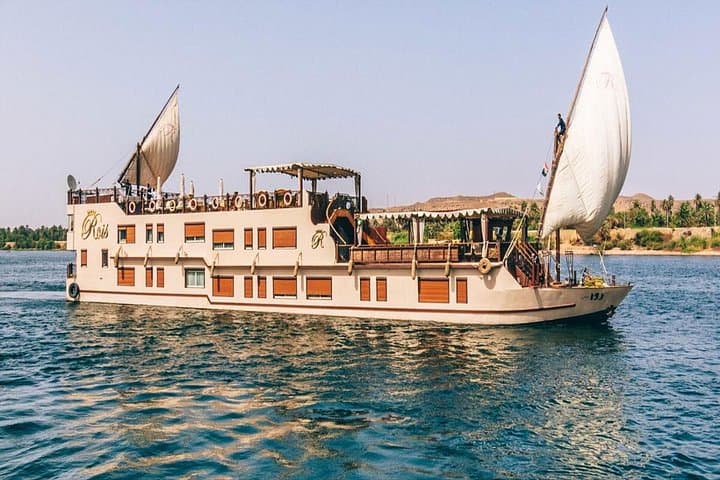
At dawn the dahabiya slips away from Luxor’s quay, canvas catching a warm breeze while the River Nile lays out a slow, changing map of palm-lined banks and low islands. The vessel moves with the wind; the river nudges the hull and the shore recedes like pages turning. On deck, passengers trade sleep for light—coffee, the distant call to prayer, and the first shafted views of temple pylons rising above date palms.
At dawn the dahabiya slips away from Luxor’s quay, canvas catching a warm breeze while the River Nile lays out a slow, changing map of palm-lined banks and low islands. The vessel moves with the wind; the river nudges the hull and the shore recedes like pages turning. On deck, passengers trade sleep for light—coffee, the distant call to prayer, and the first shafted views of temple pylons rising above date palms.
This five‑day route threads Upper Egypt’s living history: the tombs of the Valley of the Kings, Hatshepsut’s terraced mortuary temple, the Colossi of Memnon, and the vast columns of Karnak. Geologically, the Nile has cut a fertile ribbon through sedimentary alluvium, with harder Nubian sandstone and granite outcrops near Aswan—the same stone craftsmen used for the Unfinished Obelisk. Cultural life stays close to the water; fishermen, farmers and market stalls line canals that still irrigate traditional felukas and orchards.
Expect slow days of sailing broken by concentrated walks at archaeological sites and village stops where markets and gardens offer a direct look at rural Egyptian rhythms. Practicalities: travel light but bring layered clothing for cool mornings and hot afternoons, a sun hat, refillable water bottle, and comfortable shoes for uneven temple steps. Carry local currency for small purchases and tips. The itinerary suits travelers wanting relaxed discovery rather than a rushed tour—permit time to read inscriptions on site and watch the Nile itself change color under every sunset.