THE ADVENTURE COLLECTIVE® · Independent discovery and booking for outdoor travel

Sail the Nile aboard a traditional dahabiya for five days between Luxor and Aswan. Explore Karnak, the Valley of the Kings, Edfu and Kom Ombo by day and return each evening to a comfortable cabin and riverside sunset.
Sail the Nile aboard a traditional dahabiya for five days between Luxor and Aswan. Explore Karnak, the Valley of the Kings, Edfu and Kom Ombo by day and return each evening to a comfortable cabin and riverside sunset.
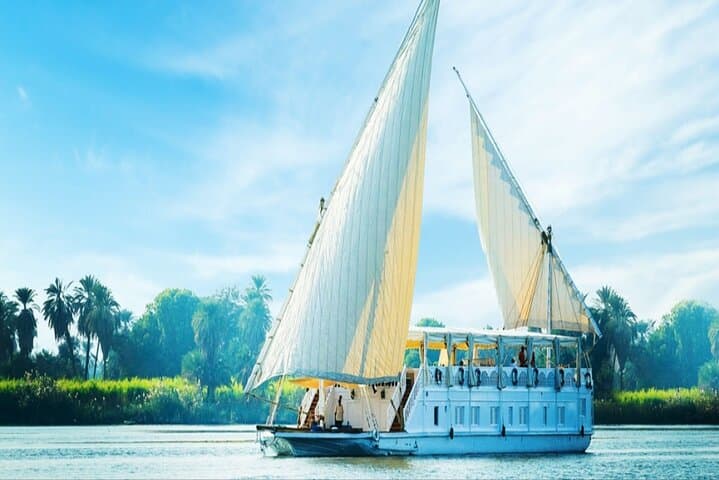
The dahabiya slips from Luxor at sunrise, linen sails catching a light wind while the Nile lays out a slow, living map of palm-lined banks and red desert ridges. You step from the dock into shaded decks and small-group comfort: lacquered cabins, shaded lounges and the constant, gentle push of the river beneath.
Verified experiences and guided adventures in the surrounding area.
Operated by Egypt Best Day Tours · Luxor, Luxor Governorate
The dahabiya slips from Luxor at sunrise, linen sails catching a light wind while the Nile lays out a slow, living map of palm-lined banks and red desert ridges. You step from the dock into shaded decks and small-group comfort: lacquered cabins, shaded lounges and the constant, gentle push of the river beneath.
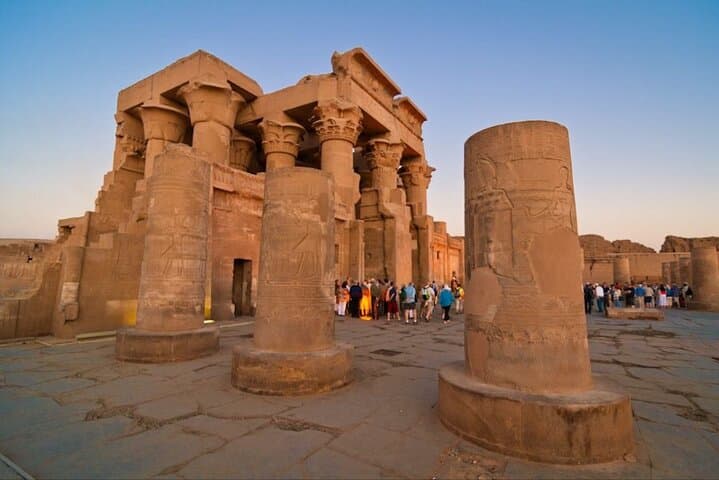
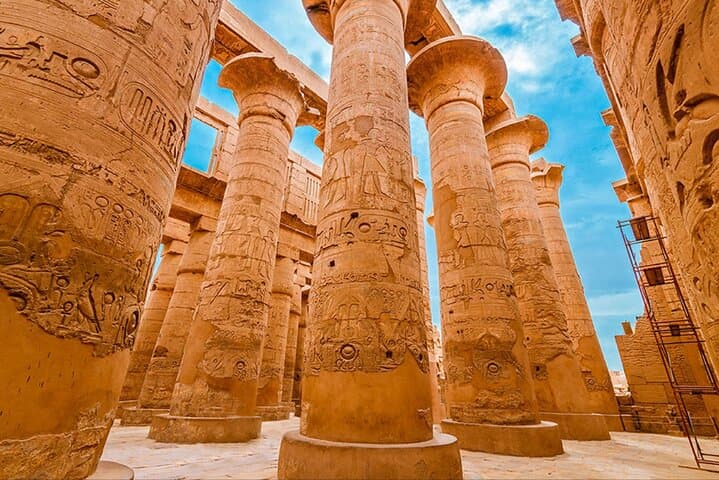
This five-day voyage follows a route Egypt has used for millennia. Between Luxor’s Karnak and Luxor Temples and Aswan’s Philae, the cruise threads through archaeological chapters — the Valley of the Kings’ painted tombs, Hatshepsut’s terraced mortuary temple, Edfu’s towering pylons and Kom Ombo’s dual sanctuaries — each site carved from Nile stone and Nile stories. Geologically, the landscape shifts from alluvial floodplain to exposed Nubian sandstone and granite around Aswan; the Unfinished Obelisk reveals how ancient masons worked the raw rock.
Cultural touches show in small bazaars, Nile-side villages and Nubian islands where boatmen and market sellers still trade in seasonal rhythms. Guides (usually Egyptologists) frame sites with dates, dynasties and the practicalities of ancient ritual.
Practical guide: plan for strong sun and dry heat — high SPF, a broad hat and 2–3 liters of daily water. Expect short walks on uneven stone, some stairs at temples and brief boat transfers to islands like Philae. Best travel months are October–April for cooler air; book daytime excursions early to avoid midday heat. Bring comfortable walking shoes and a light layer for cooler early mornings on deck. The cruise is low-impact physically but rich in historical immersion — the Nile itself will keep time for you.
easy.
5 days (4 nights).
Suitable for travelers with basic mobility — you should be able to walk short distances on uneven surfaces and climb stairs.
Most operators include air‑conditioned transfers from Luxor hotels, train station or airport to the embankment for boarding; confirm your pickup point at booking.
Itinerary notes admissions may not be included for some sites — check your booking details and budget for site tickets and optional extras like King Tut’s tomb.
Yes — the cruise is low-impact but involves stairs and short walks; travelers with mobility issues should notify the operator to arrange assistance where possible.
Tipping is customary for guides, boat crew and drivers; small, local currency notes are practical. Dress modestly at religious sites and when visiting villages.
The Nile corridor from Luxor to Aswan concentrated power, religion and quarries for millennia; many temples you visit were built and expanded over successive pharaonic reigns.
Monuments are vulnerable to erosion and tourist wear; support operators that follow site rules, avoid touching antiquities and use local guides to channel revenue into communities.
Egypt Best Day Tours operates guided outdoor trips and adventures with an emphasis on safety, stewardship, and memorable experiences.
The dahabiya slips from Luxor at sunrise, linen sails catching a light wind while the Nile lays out a slow, living map of palm-lined banks and red desert ridges. You step from the dock into shaded decks and small-group comfort: lacquered cabins, shaded lounges and the constant, gentle push of the river beneath.
The dahabiya slips from Luxor at sunrise, linen sails catching a light wind while the Nile lays out a slow, living map of palm-lined banks and red desert ridges. You step from the dock into shaded decks and small-group comfort: lacquered cabins, shaded lounges and the constant, gentle push of the river beneath.
This five-day voyage follows a route Egypt has used for millennia. Between Luxor’s Karnak and Luxor Temples and Aswan’s Philae, the cruise threads through archaeological chapters — the Valley of the Kings’ painted tombs, Hatshepsut’s terraced mortuary temple, Edfu’s towering pylons and Kom Ombo’s dual sanctuaries — each site carved from Nile stone and Nile stories. Geologically, the landscape shifts from alluvial floodplain to exposed Nubian sandstone and granite around Aswan; the Unfinished Obelisk reveals how ancient masons worked the raw rock.
Cultural touches show in small bazaars, Nile-side villages and Nubian islands where boatmen and market sellers still trade in seasonal rhythms. Guides (usually Egyptologists) frame sites with dates, dynasties and the practicalities of ancient ritual.
Practical guide: plan for strong sun and dry heat — high SPF, a broad hat and 2–3 liters of daily water. Expect short walks on uneven stone, some stairs at temples and brief boat transfers to islands like Philae. Best travel months are October–April for cooler air; book daytime excursions early to avoid midday heat. Bring comfortable walking shoes and a light layer for cooler early mornings on deck. The cruise is low-impact physically but rich in historical immersion — the Nile itself will keep time for you.