THE ADVENTURE COLLECTIVE® · Independent discovery and booking for outdoor travel

Float between Luxor and Aswan on a private dahabiya, visiting the Valley of the Kings, Karnak, Edfu, Kom Ombo and Philae over five days. This small-ship approach pairs relaxed river travel with focused archaeological visits and expert Egyptologist commentary.
Float between Luxor and Aswan on a private dahabiya, visiting the Valley of the Kings, Karnak, Edfu, Kom Ombo and Philae over five days. This small-ship approach pairs relaxed river travel with focused archaeological visits and expert Egyptologist commentary.
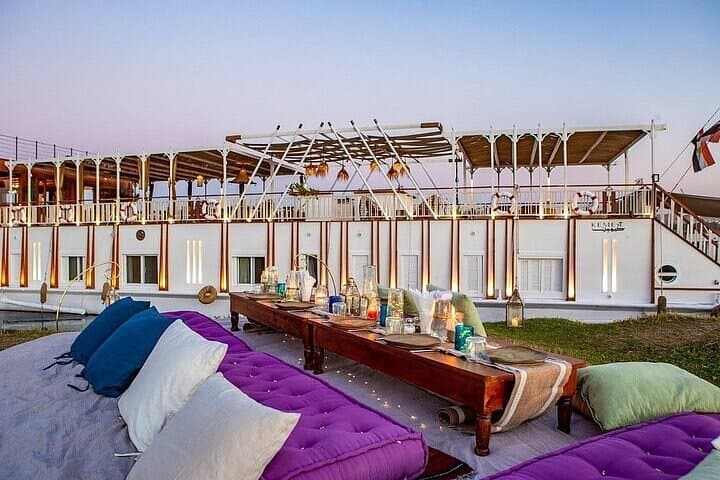
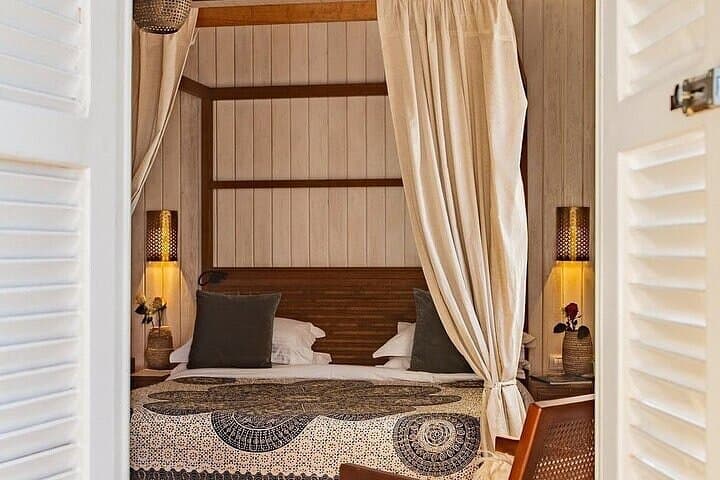
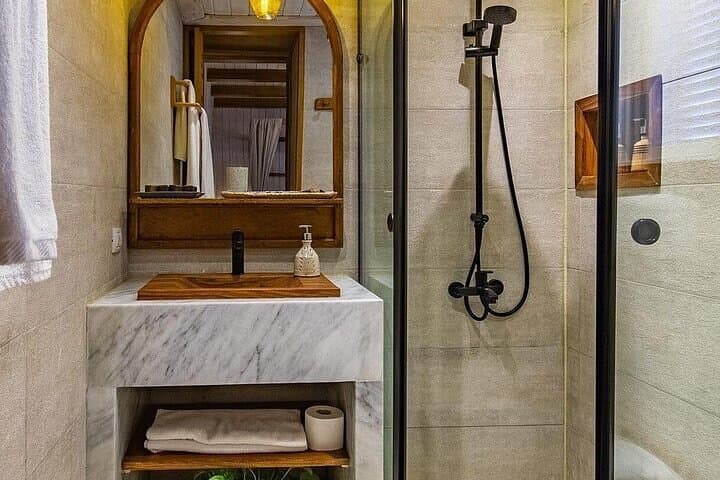
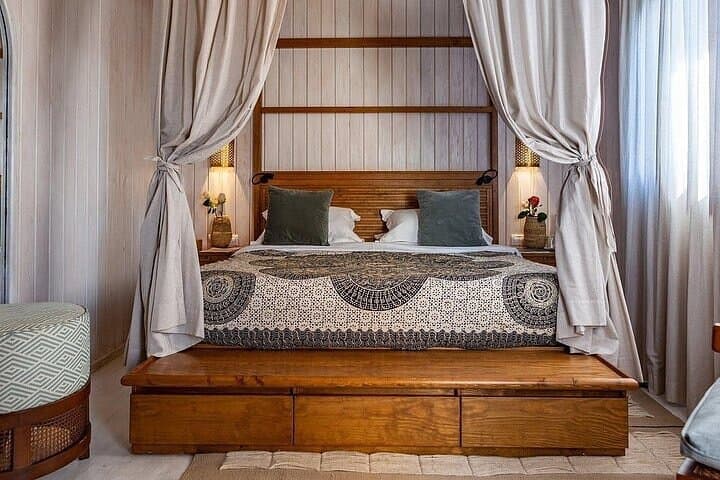
Morning light slides across the Nile as your dahabiya slips away from Luxor’s quay — a narrow, late-19th-century style sailboat with wide decks and low draft, moving with deliberate calm. Below deck, the vessel is a mobile base for archaeology: a small hotel on water; above, the river and the coast cue a rolling sequence of temples, quarries, and palm-lined villages.
Verified experiences and guided adventures in the surrounding area.
Operated by Roxana Travel · Luxor, Luxor Governorate
Morning light slides across the Nile as your dahabiya slips away from Luxor’s quay — a narrow, late-19th-century style sailboat with wide decks and low draft, moving with deliberate calm. Below deck, the vessel is a mobile base for archaeology: a small hotel on water; above, the river and the coast cue a rolling sequence of temples, quarries, and palm-lined villages.
This five-day voyage traces 4,500 years of Egyptian history. You visit the Valley of the Kings and Hatshepsut’s mortuary temple on the Theban west bank, drift past Edfu’s Ptolemaic shrine, step into the double sanctuaries of Kom Ombo, and finish with Philae and the granite quarries of Aswan. Geology is plain here — Nile silt plains give way to pink Nubian granite outcrops, the raw stone of obelisks and statues. Local culture is layered: Bedouin and Nubian communities, river fishermen, and markets that supply the dahabiya with fresh dates and flatbreads.
Practically, expect gentle days of guided walking (uneven temple stone, some stairs), long river transits between stops, and heat by midday. Mornings and late afternoons are best for photography and temple visits; guides will time entries to avoid crowds. Hydrate frequently, wear sturdy closed shoes for temple floors, and pack a lightweight sun layer and hat. Security and conservation are active concerns — follow your Egyptologist’s guidance to protect delicate wall reliefs and avoid touching painted surfaces.
The trip balances slow travel with intense cultural payoff: steady river rhythm, a small-ship atmosphere, and a front-row view of Upper Egypt’s layered past.
easy.
5 days.
Suitable for travelers in average physical condition who can manage several short walks (20–120 minutes) on uneven ground.
Yes — entrance fees to the sites listed between Luxor and Aswan are included in the itinerary price.
The cruise itself is relaxed; temple visits involve walking on uneven stone and stairs but are suitable for most fitness levels.
The tour notes wheelchair accessibility for some areas, but certain temple sites have stairs and rough surfaces; contact the operator in advance to confirm accommodations.
An Egyptologist guide is provided — typically English-speaking; confirm if you need another language when booking.
The route follows Upper Egypt’s core ceremonial axis: royal tombs and Ptolemaic temples built using local granite and Nile-brought materials over millennia.
Respect posted signs and your guide’s directions — many monuments are fragile; avoid touching painted reliefs and use refillable water to reduce plastic waste.
Roxana Travel operates guided outdoor trips and adventures with an emphasis on safety, stewardship, and memorable experiences.
Morning light slides across the Nile as your dahabiya slips away from Luxor’s quay — a narrow, late-19th-century style sailboat with wide decks and low draft, moving with deliberate calm. Below deck, the vessel is a mobile base for archaeology: a small hotel on water; above, the river and the coast cue a rolling sequence of temples, quarries, and palm-lined villages.
Morning light slides across the Nile as your dahabiya slips away from Luxor’s quay — a narrow, late-19th-century style sailboat with wide decks and low draft, moving with deliberate calm. Below deck, the vessel is a mobile base for archaeology: a small hotel on water; above, the river and the coast cue a rolling sequence of temples, quarries, and palm-lined villages.
This five-day voyage traces 4,500 years of Egyptian history. You visit the Valley of the Kings and Hatshepsut’s mortuary temple on the Theban west bank, drift past Edfu’s Ptolemaic shrine, step into the double sanctuaries of Kom Ombo, and finish with Philae and the granite quarries of Aswan. Geology is plain here — Nile silt plains give way to pink Nubian granite outcrops, the raw stone of obelisks and statues. Local culture is layered: Bedouin and Nubian communities, river fishermen, and markets that supply the dahabiya with fresh dates and flatbreads.
Practically, expect gentle days of guided walking (uneven temple stone, some stairs), long river transits between stops, and heat by midday. Mornings and late afternoons are best for photography and temple visits; guides will time entries to avoid crowds. Hydrate frequently, wear sturdy closed shoes for temple floors, and pack a lightweight sun layer and hat. Security and conservation are active concerns — follow your Egyptologist’s guidance to protect delicate wall reliefs and avoid touching painted surfaces.
The trip balances slow travel with intense cultural payoff: steady river rhythm, a small-ship atmosphere, and a front-row view of Upper Egypt’s layered past.