THE ADVENTURE COLLECTIVE® · Independent discovery and booking for outdoor travel

Sail a traditional dahabiya from Aswan to Luxor across four days of temples, island villages and Nilotic sunsets. This private cruise blends short guided excursions with slow river time—ideal for travelers seeking history, culture and calm.
Sail a traditional dahabiya from Aswan to Luxor across four days of temples, island villages and Nilotic sunsets. This private cruise blends short guided excursions with slow river time—ideal for travelers seeking history, culture and calm.
You step off Aswan’s quay into warm light as the dahabiya’s wooden hull rocks gently—sails slack, tea steaming on the sun deck. The Nile threads past palm-fringed islands and low mud-brick villages; each bend opens a new view of temples carved in stone and fields that still drink from the river.
Verified experiences and guided adventures in the surrounding area.
Operated by Roxana Travel · Aswan, Aswan Governorate
You step off Aswan’s quay into warm light as the dahabiya’s wooden hull rocks gently—sails slack, tea steaming on the sun deck. The Nile threads past palm-fringed islands and low mud-brick villages; each bend opens a new view of temples carved in stone and fields that still drink from the river.
This route follows Egypt’s ancient highway: Philae’s temple islands rebuilt stone-by-stone after the High Dam’s rise, the monumental façades of Kom Ombo and Edfu, and finally Luxor’s concentration of New Kingdom sites—Valley of the Kings, Hatshepsut’s terraced mortuary temple and the temples of Karnak and Luxor. Geology here is simple and direct: Nile alluvium cradling sandstone and granite outcrops that ancient masons favored for quarries such as Gebel el-Silsila. Nubian culture and modern river life persist along the banks—fishermen, farming plots and village markets that offer a current of living tradition.
Onboard, expect relaxed days of short guided walks and longer shore visits led by an Egyptologist; evenings are for sunset on deck or small-group beach barbecues on islands like Fawaza. Practicalities: carry original passport and copies for temple entries, sun protection and reusable water, and staggered layers for cool desert mornings and hot afternoons. Accessibility for many travelers is good, but boarding a dahabiya includes low gangways and occasional uneven ground at sites.
Timing matters—early morning site visits avoid heat and crowds. Respect fragile ruins, listen to your guide about photography rules in tombs, and budget time for quiet observation: the Nile will not rush you, but it will show you the long sweep of Egyptian history in four measured days.
moderate.
4 days.
Suitable for travelers in average health; involves short walks (up to 2 hours) over uneven ground and multiple embark/disembark moments.
Yes—full board is provided aboard the dahabiya (breakfast, lunch and dinner) and soft drinks are included; specialty beverages and tips are usually extra.
Yes—original passport is required for site admissions; organizers may hold passports for tickets but carry a copy while ashore.
Many areas aboard the dahabiya and some transfer vehicles are accessible, but archaeological sites have stairs and uneven terrain; contact the operator with specific accessibility needs.
Abu Simbel is offered as an optional early-morning excursion from Aswan and is not included in standard admissions—plan for a long day and additional travel time if you choose it.
This corridor of Upper Egypt was the heartland of New Kingdom power; the dahabiya echoes 19th-century river travel when wealthy travelers and archaeologists used similar boats to explore pharaonic sites.
Stay on established paths, avoid touching painted reliefs, and carry out waste—riverbank vegetation and archaeological sites are sensitive to trampling and littering.
Roxana Travel operates guided outdoor trips and adventures with an emphasis on safety, stewardship, and memorable experiences.
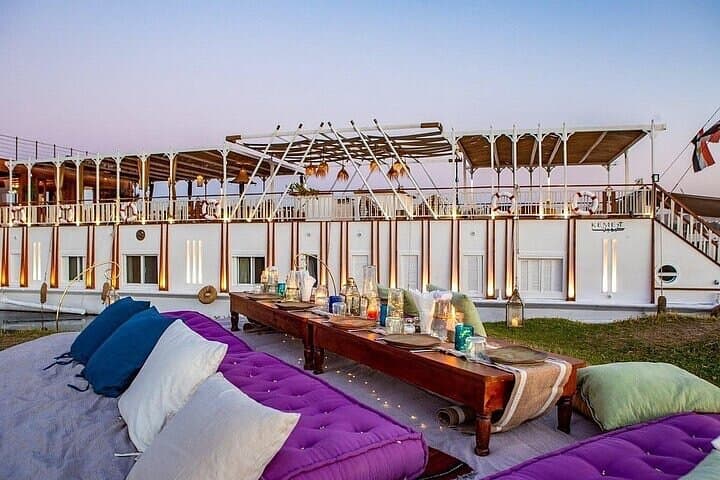
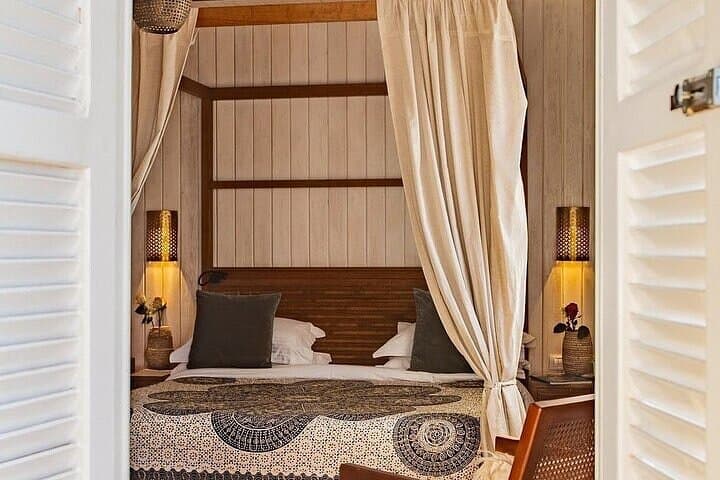
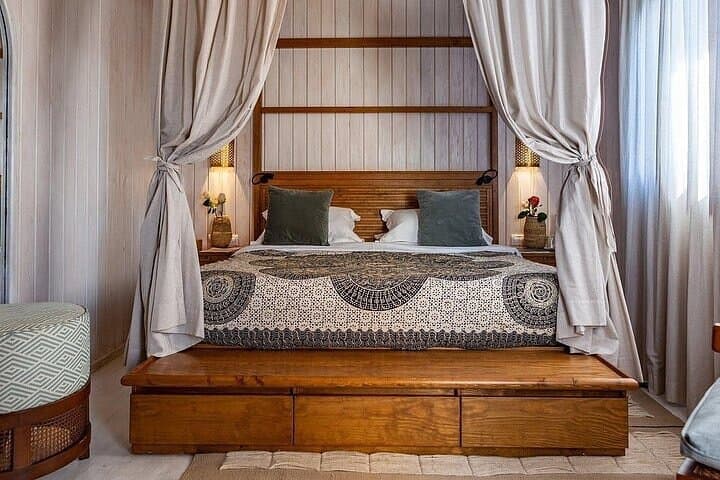
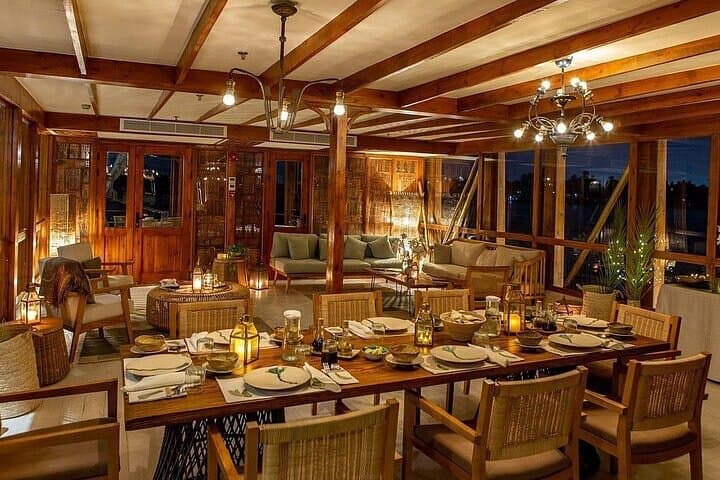
You step off Aswan’s quay into warm light as the dahabiya’s wooden hull rocks gently—sails slack, tea steaming on the sun deck. The Nile threads past palm-fringed islands and low mud-brick villages; each bend opens a new view of temples carved in stone and fields that still drink from the river.
You step off Aswan’s quay into warm light as the dahabiya’s wooden hull rocks gently—sails slack, tea steaming on the sun deck. The Nile threads past palm-fringed islands and low mud-brick villages; each bend opens a new view of temples carved in stone and fields that still drink from the river.
This route follows Egypt’s ancient highway: Philae’s temple islands rebuilt stone-by-stone after the High Dam’s rise, the monumental façades of Kom Ombo and Edfu, and finally Luxor’s concentration of New Kingdom sites—Valley of the Kings, Hatshepsut’s terraced mortuary temple and the temples of Karnak and Luxor. Geology here is simple and direct: Nile alluvium cradling sandstone and granite outcrops that ancient masons favored for quarries such as Gebel el-Silsila. Nubian culture and modern river life persist along the banks—fishermen, farming plots and village markets that offer a current of living tradition.
Onboard, expect relaxed days of short guided walks and longer shore visits led by an Egyptologist; evenings are for sunset on deck or small-group beach barbecues on islands like Fawaza. Practicalities: carry original passport and copies for temple entries, sun protection and reusable water, and staggered layers for cool desert mornings and hot afternoons. Accessibility for many travelers is good, but boarding a dahabiya includes low gangways and occasional uneven ground at sites.
Timing matters—early morning site visits avoid heat and crowds. Respect fragile ruins, listen to your guide about photography rules in tombs, and budget time for quiet observation: the Nile will not rush you, but it will show you the long sweep of Egyptian history in four measured days.