THE ADVENTURE COLLECTIVE® · Independent discovery and booking for outdoor travel

Sail the Nile aboard a private dahabiya from Aswan to Luxor, stopping at Kom Ombo, Edfu and optionally Abu Simbel. This intimate 3‑night cruise pairs en‑suite comfort with expert Egyptologist‑led excursions to Egypt’s southern monuments.
Sail the Nile aboard a private dahabiya from Aswan to Luxor, stopping at Kom Ombo, Edfu and optionally Abu Simbel. This intimate 3‑night cruise pairs en‑suite comfort with expert Egyptologist‑led excursions to Egypt’s southern monuments.
The Nile slips past like a slow, warm current that nudges your dahabiya from one era to the next — palm-lined riverbanks giving way to low desert cliffs as you leave Aswan at dawn. On deck, the sundeck hums with quiet life: coffee brewing, linen flapping, the boat’s polished wood reflecting the wide Egyptian light. Days unfold in measured pace — temples, markets, and the long river between them.
Verified experiences and guided adventures in the surrounding area.
Operated by Egypt Best Day Tours · Aswan, Aswan Governorate
The Nile slips past like a slow, warm current that nudges your dahabiya from one era to the next — palm-lined riverbanks giving way to low desert cliffs as you leave Aswan at dawn. On deck, the sundeck hums with quiet life: coffee brewing, linen flapping, the boat’s polished wood reflecting the wide Egyptian light. Days unfold in measured pace — temples, markets, and the long river between them.
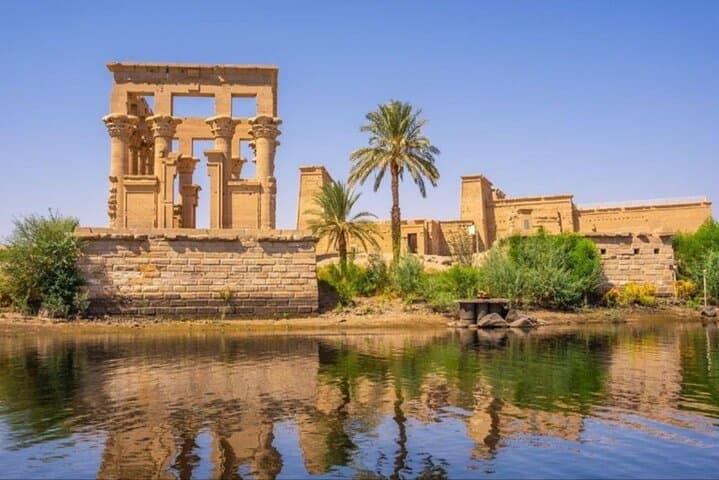
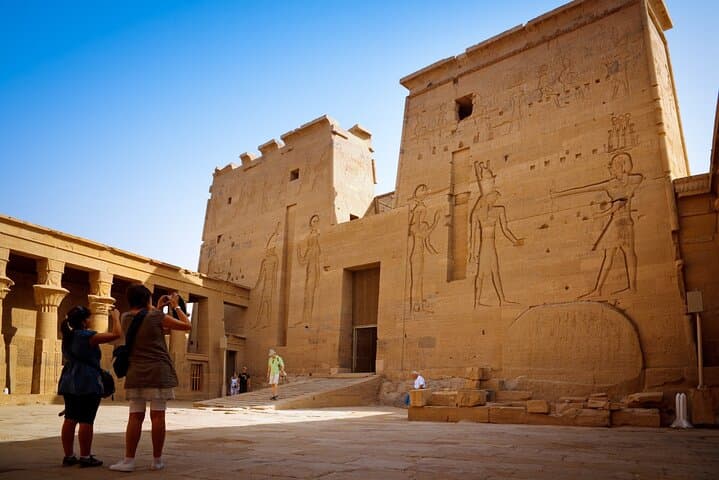
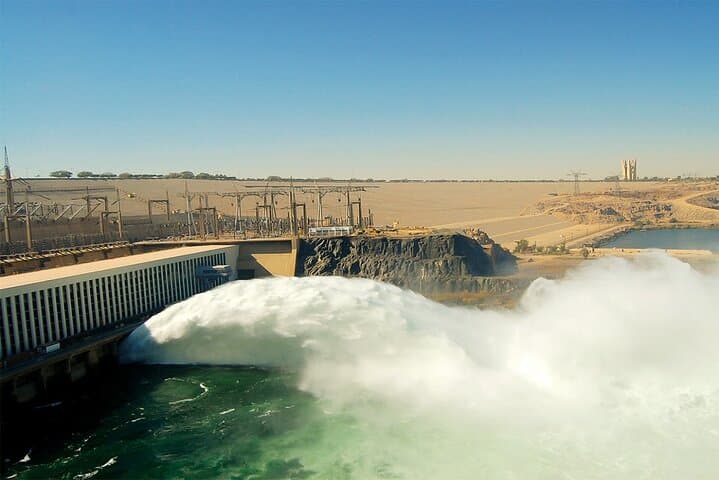
This privately guided, three-night dahabiya voyage traces the same inland artery that fed pharaonic civilization. You’ll touch sites spanning millennia: Philae’s relocated island temple; Kom Ombo’s twin dedication to Sobek and Haroeris; the well-preserved Ptolemaic Temple of Horus at Edfu; and optionally the colossal, 13th-century‑BCE Abu Simbel moved stone‑by‑stone during the Aswan High Dam project in the 1960s. Geologically, the Nile’s floodplain marks a narrow fertile ribbon where alluvium has built agricultural terraces, while the surrounding desert reveals ancient wind-sculpted sandstone and occasional granite outcrops near Aswan.
Practically, expect mostly gentle activity — guided on‑shore walks, short transfers by air‑conditioned vehicle, and time to relax onboard. Bring sun protection and conservative clothing for temple visits, and plan early starts for Abu Simbel. The cruise is private with en‑suite cabins, an onboard chef, and an Egyptologist guiding each stop; tipping, passport copies, and hydration are standard. Motion‑sick or not, the dahabiya’s quiet sails ease into the Nile’s rhythm. In short: it’s a slow, cultural river journey where history meets practical comfort — an accessible way to see Egypt’s southern monuments without the rush.
easy.
3–4 days.
Suitable for travelers in average health; limited walking on uneven temple steps and short on‑shore strolls.
Abu Simbel is offered as an upgrade/optional early‑morning visit; it requires a long transfer and sometimes an early start from Aswan.
The cruise is low‑impact with mostly seated travel and short guided walks; visitors should be able to climb temple steps and walk on uneven ground for short periods.
Yes — the trip includes full board (breakfast, lunch, dinner) and en‑suite cabins with air conditioning aboard the dahabiya.
Guides are typically English‑speaking Egyptologists; private tours can often accommodate additional language requests if arranged in advance.
The route follows the life artery of ancient Egypt; many of the temples date to the New Kingdom and Ptolemaic eras, and Abu Simbel was relocated in the 1960s to save it from Lake Nasser floodwaters.
Large heritage sites are managed with visitor caps and controlled access; favor responsible guides, avoid touching reliefs, and use local services to support community economies.
Egypt Best Day Tours operates guided outdoor trips and adventures with an emphasis on safety, stewardship, and memorable experiences.
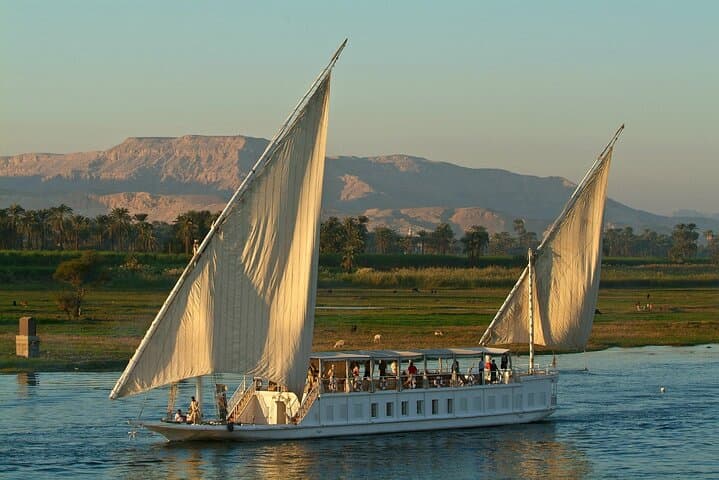
The Nile slips past like a slow, warm current that nudges your dahabiya from one era to the next — palm-lined riverbanks giving way to low desert cliffs as you leave Aswan at dawn. On deck, the sundeck hums with quiet life: coffee brewing, linen flapping, the boat’s polished wood reflecting the wide Egyptian light. Days unfold in measured pace — temples, markets, and the long river between them.
The Nile slips past like a slow, warm current that nudges your dahabiya from one era to the next — palm-lined riverbanks giving way to low desert cliffs as you leave Aswan at dawn. On deck, the sundeck hums with quiet life: coffee brewing, linen flapping, the boat’s polished wood reflecting the wide Egyptian light. Days unfold in measured pace — temples, markets, and the long river between them.
This privately guided, three-night dahabiya voyage traces the same inland artery that fed pharaonic civilization. You’ll touch sites spanning millennia: Philae’s relocated island temple; Kom Ombo’s twin dedication to Sobek and Haroeris; the well-preserved Ptolemaic Temple of Horus at Edfu; and optionally the colossal, 13th-century‑BCE Abu Simbel moved stone‑by‑stone during the Aswan High Dam project in the 1960s. Geologically, the Nile’s floodplain marks a narrow fertile ribbon where alluvium has built agricultural terraces, while the surrounding desert reveals ancient wind-sculpted sandstone and occasional granite outcrops near Aswan.
Practically, expect mostly gentle activity — guided on‑shore walks, short transfers by air‑conditioned vehicle, and time to relax onboard. Bring sun protection and conservative clothing for temple visits, and plan early starts for Abu Simbel. The cruise is private with en‑suite cabins, an onboard chef, and an Egyptologist guiding each stop; tipping, passport copies, and hydration are standard. Motion‑sick or not, the dahabiya’s quiet sails ease into the Nile’s rhythm. In short: it’s a slow, cultural river journey where history meets practical comfort — an accessible way to see Egypt’s southern monuments without the rush.