THE ADVENTURE COLLECTIVE® · Independent discovery and booking for outdoor travel

Spend a private day moving between Daegu’s busiest markets, a centuries-old temple on Palgongsan, and the Apsan cable car for city vistas. This eight-hour itinerary blends urban culture, local crafts, and accessible mountain scenery with practical tips for a smooth visit.
Spend a private day moving between Daegu’s busiest markets, a centuries-old temple on Palgongsan, and the Apsan cable car for city vistas. This eight-hour itinerary blends urban culture, local crafts, and accessible mountain scenery with practical tips for a smooth visit.
You step into Daegu and the city answers with heat from street grills, the clack of market vendors and a ribbon of green climbing toward Apsan’s ridgeline.
Verified experiences and guided adventures in the surrounding area.
Operated by Opatrip.com South Korea · Daegu, Daegu
You step into Daegu and the city answers with heat from street grills, the clack of market vendors and a ribbon of green climbing toward Apsan’s ridgeline.
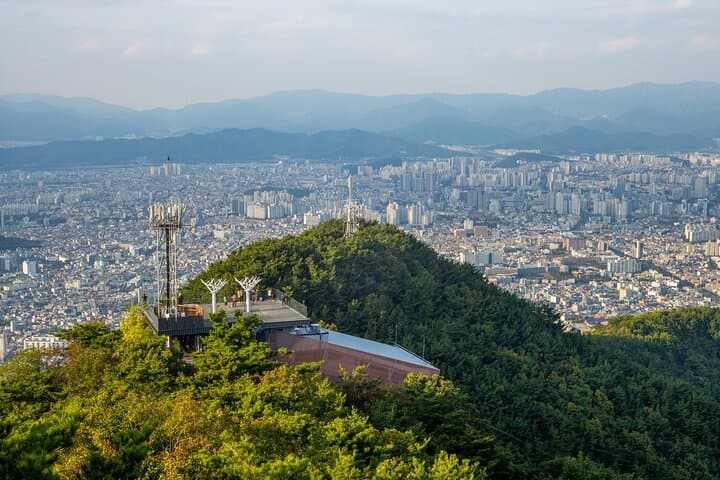
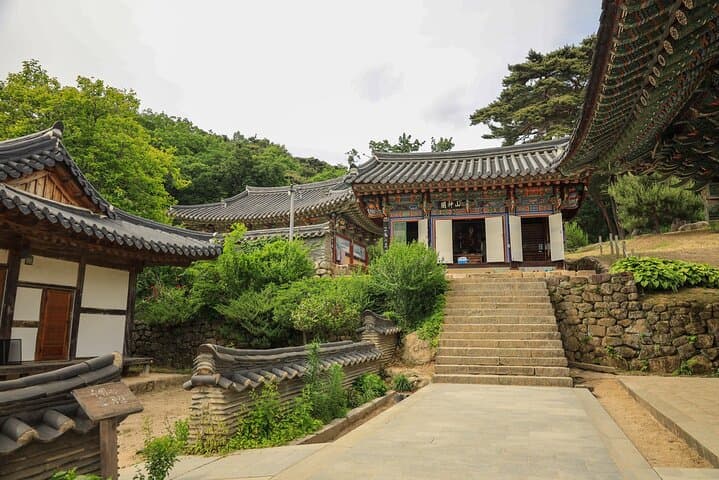
This private, eight-hour tour threads urban life and mountain calm: a historic traditional market where textiles and tteokbokki stalls share the alleys, the medicine museum that catalogs centuries of herbal practice, a cable car ascent to Apsan for skyline views, and Donghwasa on Palgongsan—an ancient temple complex tied to Korea’s long Buddhist traditions.
Geology here alternates between the urban plain of the Nakdong basin and the rocky, forested slopes that early kingdoms used for temples and lookout points. Culturally, Daegu’s role as a regional trade hub shaped its markets, textile crafts, and medical specialties—elements you’ll encounter in neighborhoods and narrow lanes rich with murals and modern cafés.
Practical guidance: this is a walking-forward day with short transfers; expect uneven pavement in markets and steps at temple sites. Dress in sturdy shoes, plan for sun on exposed viewpoints and shade in alleys, and keep small won for market purchases. The cable car shortens the climb but brings wind and cooler air—layer up.
Timing matters: start early to avoid midday crowds at markets and reserve a window for sunset from the observatory if you want lasting city light. Your private guide adapts the route to crowds and weather, making this a flexible way to see both civic life and the green edges of Daegu.
easy.
8 hours.
Light-moderate: comfortable for most travelers who can walk several short stretches and manage stairs.
Temple admission is generally not included; your guide can advise on current fees and entry procedures during booking.
Yes—it's marked suitable for all fitness levels, but notify the operator about mobility limits so the guide can adapt pacing and routing.
Yes—itineraries typically include market time for sampling street food and light meals; bring small bills for vendors.
Cable car availability depends on season and crowds; your private guide will arrange timing, but during peak periods advance reservation is advisable.
Daegu grew as a commercial hub in the Yeongnam region; its markets and medicine trade trace back through the Joseon era and earlier regional networks.
Palgongsan and Apsan are managed as protected green spaces—stick to trails, avoid single-use plastics, and respect temple grounds to reduce impact.
Opatrip.com South Korea operates guided outdoor trips and adventures with an emphasis on safety, stewardship, and memorable experiences.

You step into Daegu and the city answers with heat from street grills, the clack of market vendors and a ribbon of green climbing toward Apsan’s ridgeline.
You step into Daegu and the city answers with heat from street grills, the clack of market vendors and a ribbon of green climbing toward Apsan’s ridgeline.
This private, eight-hour tour threads urban life and mountain calm: a historic traditional market where textiles and tteokbokki stalls share the alleys, the medicine museum that catalogs centuries of herbal practice, a cable car ascent to Apsan for skyline views, and Donghwasa on Palgongsan—an ancient temple complex tied to Korea’s long Buddhist traditions.
Geology here alternates between the urban plain of the Nakdong basin and the rocky, forested slopes that early kingdoms used for temples and lookout points. Culturally, Daegu’s role as a regional trade hub shaped its markets, textile crafts, and medical specialties—elements you’ll encounter in neighborhoods and narrow lanes rich with murals and modern cafés.
Practical guidance: this is a walking-forward day with short transfers; expect uneven pavement in markets and steps at temple sites. Dress in sturdy shoes, plan for sun on exposed viewpoints and shade in alleys, and keep small won for market purchases. The cable car shortens the climb but brings wind and cooler air—layer up.
Timing matters: start early to avoid midday crowds at markets and reserve a window for sunset from the observatory if you want lasting city light. Your private guide adapts the route to crowds and weather, making this a flexible way to see both civic life and the green edges of Daegu.