THE ADVENTURE COLLECTIVE® · Independent discovery and booking for outdoor travel

Walk the Dades Valley for a four-hour trek through river-carved gorges and the scattered ruins of the 1000 Kasbahs. Local guides lead you to panoramic viewpoints and a family lunch that reveals Berber life between mountain and river.
Walk the Dades Valley for a four-hour trek through river-carved gorges and the scattered ruins of the 1000 Kasbahs. Local guides lead you to panoramic viewpoints and a family lunch that reveals Berber life between mountain and river.
Morning light slices the Dades Valley into warm bands of ochre and shadow, and the path opens beneath your boots. The river will dare you to keep pace as you move from compact village lanes into the stony ribbed walls of the gorge, where ruined kasbahs perch on terraces above irrigated fields.
Verified experiences and guided adventures in the surrounding area.
Operated by Morocco Exposure · Boumalne Dades, Drâa-Tafilalet
Morning light slices the Dades Valley into warm bands of ochre and shadow, and the path opens beneath your boots. The river will dare you to keep pace as you move from compact village lanes into the stony ribbed walls of the gorge, where ruined kasbahs perch on terraces above irrigated fields.
Geology here is plain and honest: river-cut gorges and folded High Atlas foothills formed by tectonic uplift and seasonal floods. The rocks are red and grey clay and sandstone, scored by wind and water into cliffs and narrow canyons that funnel light and heat in dramatic ways.
Culture threads through every hamlet. Berber families still tend fields with terraces and irrigation channels; kasbah ruins record a time when fortified farmhouses sheltered multiple generations. Local guides translate tribal histories, architectural details, and the etiquette of sitting for tea in a family home — a short lunch that offers real hospitality, not a staged meal.
Expect a mostly gentle, four-hour walk with intermittent climbs to viewpoints that reveal clusters of collapsed and standing kasbahs, the so-called 1000 Kasbah routes. Trails vary from packed dirt to rocky tracks; shade is scarce in places and the sun is direct.
Plan: sturdy shoes, sun protection, and at least 1.5 liters of water. Start early to avoid midday heat, leave no trace, and ask before photographing people. The trek is accessible to most walkers but watch footing where the trail narrows above the gorge. With a local guide you’ll move at a sensible pace and come away with both panoramic views and grounded stories of life between mountain and river.
easy.
4 hours.
Suitable for most walkers with basic fitness; able to manage short ascents and uneven footing.
The guided itinerary is about four hours on foot, including breaks and visits to kasbah ruins.
Yes — the route is described as physically easy, but children and older adults should be steady on uneven ground and bring extra water.
Yes — the tour includes a shared lunch with a local family, offering traditional Berber dishes and tea.
Local guides commonly speak English, Arabic, and French according to the tour information.
The Dades Valley has long been a farming corridor between the High Atlas and the desert edge; kasbahs functioned as family fortresses and granaries tied to irrigation-based agriculture.
Trails pass fragile terraces and limited water systems — stick to paths, avoid disturbing ruins, and support local communities by following guide advice.
Morocco Exposure operates guided outdoor trips and adventures with an emphasis on safety, stewardship, and memorable experiences.
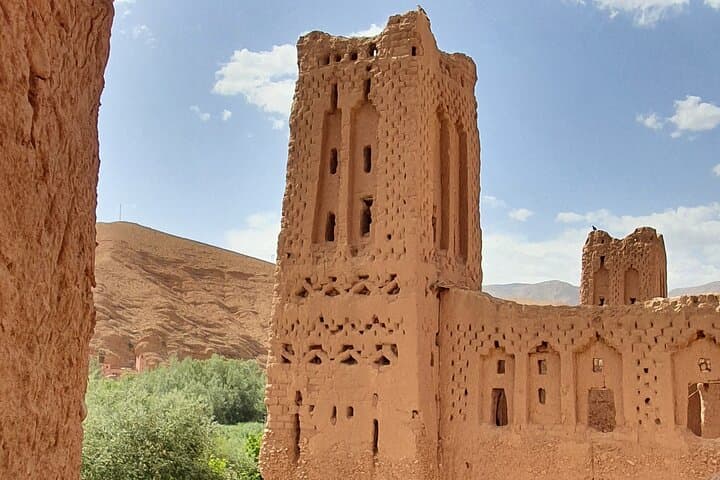
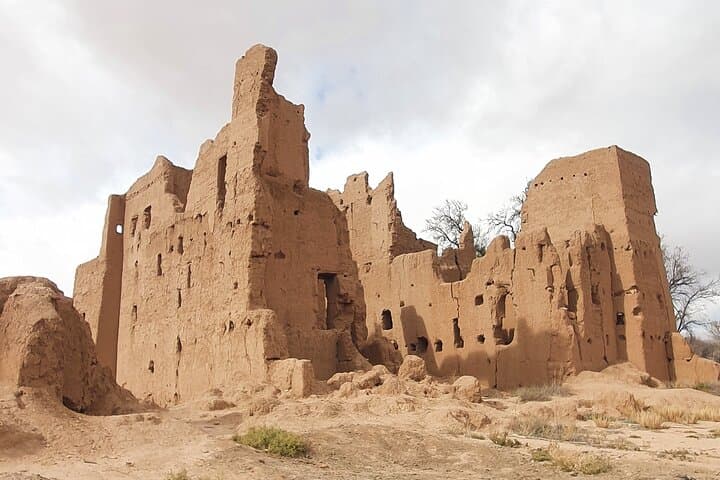
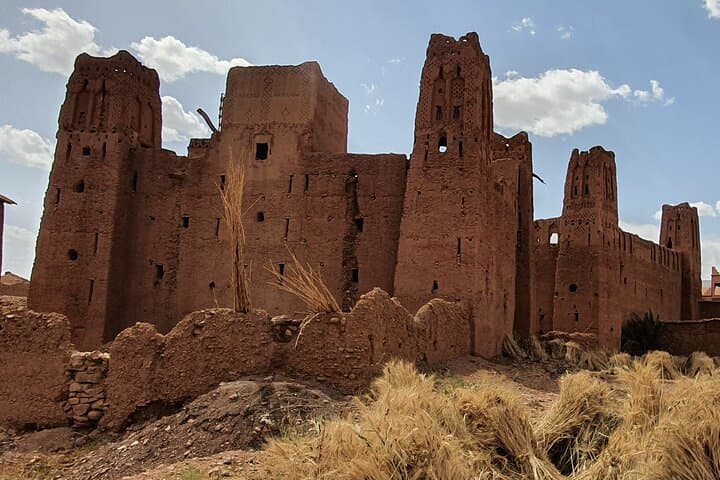
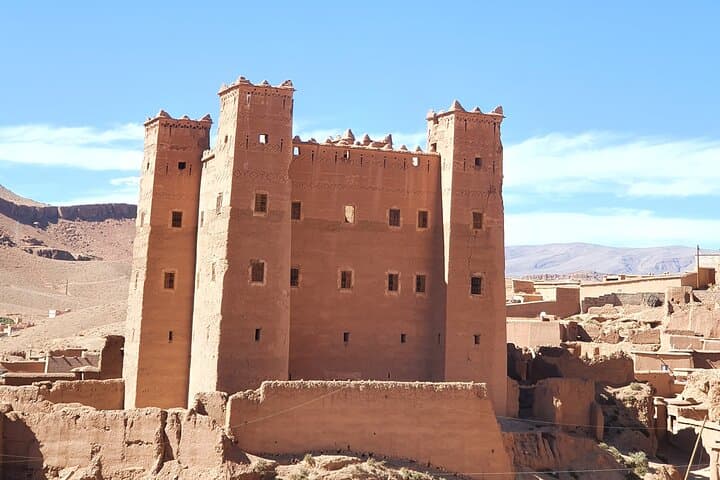
Morning light slices the Dades Valley into warm bands of ochre and shadow, and the path opens beneath your boots. The river will dare you to keep pace as you move from compact village lanes into the stony ribbed walls of the gorge, where ruined kasbahs perch on terraces above irrigated fields.
Morning light slices the Dades Valley into warm bands of ochre and shadow, and the path opens beneath your boots. The river will dare you to keep pace as you move from compact village lanes into the stony ribbed walls of the gorge, where ruined kasbahs perch on terraces above irrigated fields.
Geology here is plain and honest: river-cut gorges and folded High Atlas foothills formed by tectonic uplift and seasonal floods. The rocks are red and grey clay and sandstone, scored by wind and water into cliffs and narrow canyons that funnel light and heat in dramatic ways.
Culture threads through every hamlet. Berber families still tend fields with terraces and irrigation channels; kasbah ruins record a time when fortified farmhouses sheltered multiple generations. Local guides translate tribal histories, architectural details, and the etiquette of sitting for tea in a family home — a short lunch that offers real hospitality, not a staged meal.
Expect a mostly gentle, four-hour walk with intermittent climbs to viewpoints that reveal clusters of collapsed and standing kasbahs, the so-called 1000 Kasbah routes. Trails vary from packed dirt to rocky tracks; shade is scarce in places and the sun is direct.
Plan: sturdy shoes, sun protection, and at least 1.5 liters of water. Start early to avoid midday heat, leave no trace, and ask before photographing people. The trek is accessible to most walkers but watch footing where the trail narrows above the gorge. With a local guide you’ll move at a sensible pace and come away with both panoramic views and grounded stories of life between mountain and river.