THE ADVENTURE COLLECTIVE® · Independent discovery and booking for outdoor travel

Walk through AlUla’s sandstone amphitheaters to read the messages of ancient traders and explore rock-cut tombs of the Dadanite and Lihyanite kingdoms. This concise half-day tour pairs dramatic desert scenery with expert local interpretation—ideal for history-minded travelers.
Walk through AlUla’s sandstone amphitheaters to read the messages of ancient traders and explore rock-cut tombs of the Dadanite and Lihyanite kingdoms. This concise half-day tour pairs dramatic desert scenery with expert local interpretation—ideal for history-minded travelers.
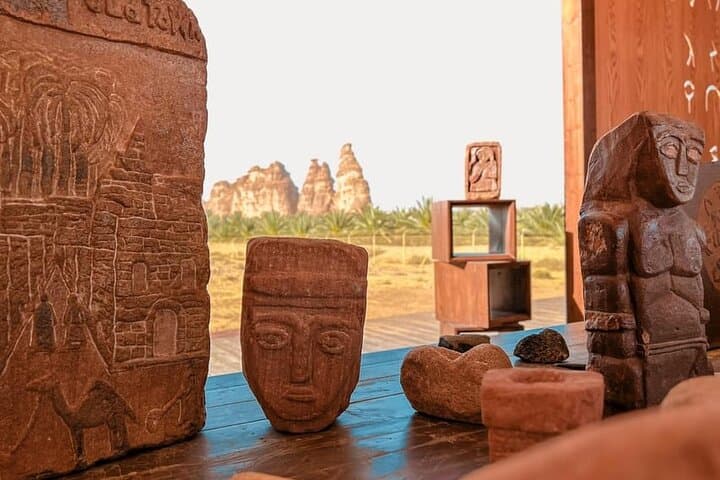
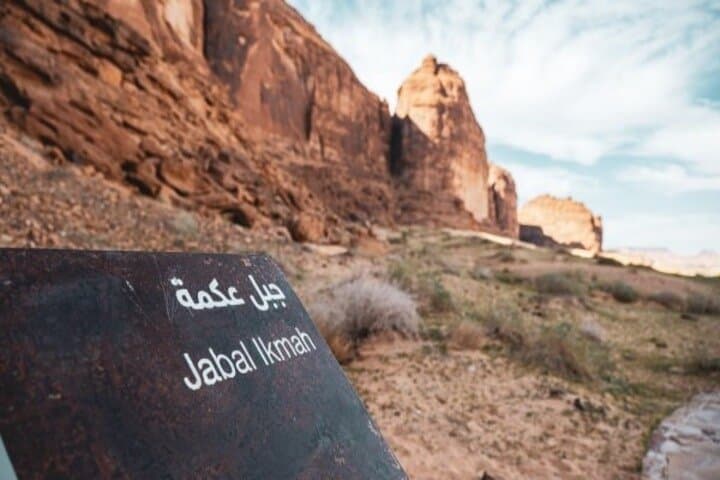
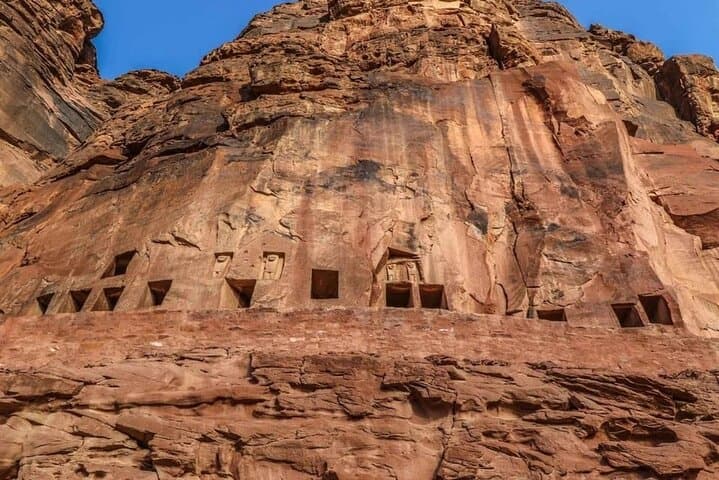
Morning light strips down the sandstone and the desert exhales around you—AlUla’s cliffs glow ochre and russet as the guide points toward carved panels and tomb façades. The walk begins at Dadan, where rock-cut tombs and ruined walls mark the Lihyanite and Dadanite urban footprint; then the group moves to Jabal Ikmah, an open-air library of inscriptions carved by traders, pilgrims and local rulers.
Verified experiences and guided adventures in the surrounding area.
Operated by GLOBAL EXPLORERS · AlUla, Al Madinah Region
Morning light strips down the sandstone and the desert exhales around you—AlUla’s cliffs glow ochre and russet as the guide points toward carved panels and tomb façades. The walk begins at Dadan, where rock-cut tombs and ruined walls mark the Lihyanite and Dadanite urban footprint; then the group moves to Jabal Ikmah, an open-air library of inscriptions carved by traders, pilgrims and local rulers.
These sites sit on the northwest Arabian trade routes that linked Arabia with the Levant and Nile for millennia. Geologically, the sculpted cliffs are aeolian sandstone and conglomerates etched by wind and flash floods; their stratified faces preserve both natural history and human marks. Culturally, the inscriptions include Thamudic and other scripts, giving rare insight into pre-Islamic literacy and regional power structures.
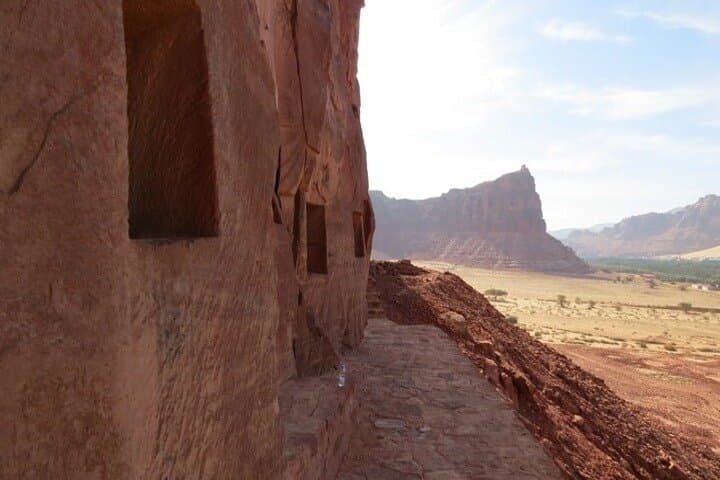
Expect compact walking on uneven desert sands and rocky scallops, short stair sections into tomb façades, and close-up views of petroglyphs—no technical climbing required. Guides interpret scripts, point out architectural features and place finds in trade and ritual contexts, making the past immediate.
Practical notes: bring sun protection and at least 1.5–2 liters of water, wear sturdy shoes with good traction, and schedule visits in cooler hours (early morning or late afternoon) to avoid heat. Respect protected areas—do not touch or lean on inscriptions—and follow guide directions for photography and access. For travelers seeking a concise, immersive archaeology outing, this half-day tour balances sweeping desert scenery with detailed cultural discovery.
easy.
2–3 hours.
Light fitness; comfortable walking on uneven ground for short distances and brief climbs of stairs.
The tour runs about three hours and covers both Dadan and Jabal Ikmah with guided interpretation and short walking sections.
No technical skills are required; the route involves moderate walking on uneven terrain and a few short stair climbs.
Photography is generally allowed, but avoid using flash on inscriptions and follow guide restrictions for sensitive areas.
Yes—it's rated easy; infants may need to sit on laps and families should plan for shade and extra water.
Dadan and Jabal Ikmah were key stops on ancient caravan routes; the inscriptions and tombs reflect a blend of local kingdoms and trans-Arabian trade from roughly the first millennium BCE to the early centuries CE.
These archaeological landscapes are fragile—stay on designated paths, avoid touching carvings, and support local preservation efforts by following guide protocols.
GLOBAL EXPLORERS operates guided outdoor trips and adventures with an emphasis on safety, stewardship, and memorable experiences.
Morning light strips down the sandstone and the desert exhales around you—AlUla’s cliffs glow ochre and russet as the guide points toward carved panels and tomb façades. The walk begins at Dadan, where rock-cut tombs and ruined walls mark the Lihyanite and Dadanite urban footprint; then the group moves to Jabal Ikmah, an open-air library of inscriptions carved by traders, pilgrims and local rulers.
Morning light strips down the sandstone and the desert exhales around you—AlUla’s cliffs glow ochre and russet as the guide points toward carved panels and tomb façades. The walk begins at Dadan, where rock-cut tombs and ruined walls mark the Lihyanite and Dadanite urban footprint; then the group moves to Jabal Ikmah, an open-air library of inscriptions carved by traders, pilgrims and local rulers.
These sites sit on the northwest Arabian trade routes that linked Arabia with the Levant and Nile for millennia. Geologically, the sculpted cliffs are aeolian sandstone and conglomerates etched by wind and flash floods; their stratified faces preserve both natural history and human marks. Culturally, the inscriptions include Thamudic and other scripts, giving rare insight into pre-Islamic literacy and regional power structures.
Expect compact walking on uneven desert sands and rocky scallops, short stair sections into tomb façades, and close-up views of petroglyphs—no technical climbing required. Guides interpret scripts, point out architectural features and place finds in trade and ritual contexts, making the past immediate.
Practical notes: bring sun protection and at least 1.5–2 liters of water, wear sturdy shoes with good traction, and schedule visits in cooler hours (early morning or late afternoon) to avoid heat. Respect protected areas—do not touch or lean on inscriptions—and follow guide directions for photography and access. For travelers seeking a concise, immersive archaeology outing, this half-day tour balances sweeping desert scenery with detailed cultural discovery.