THE ADVENTURE COLLECTIVE® · Independent discovery and booking for outdoor travel

A compact, six‑hour day tour from Da Nang that pairs the spiritual sweep of Linh Ung Pagoda with the cave networks of Marble Mountains and the historic charm of Hoi An. Expect stairs, temple etiquette, and vivid coastal views.
A compact, six‑hour day tour from Da Nang that pairs the spiritual sweep of Linh Ung Pagoda with the cave networks of Marble Mountains and the historic charm of Hoi An. Expect stairs, temple etiquette, and vivid coastal views.
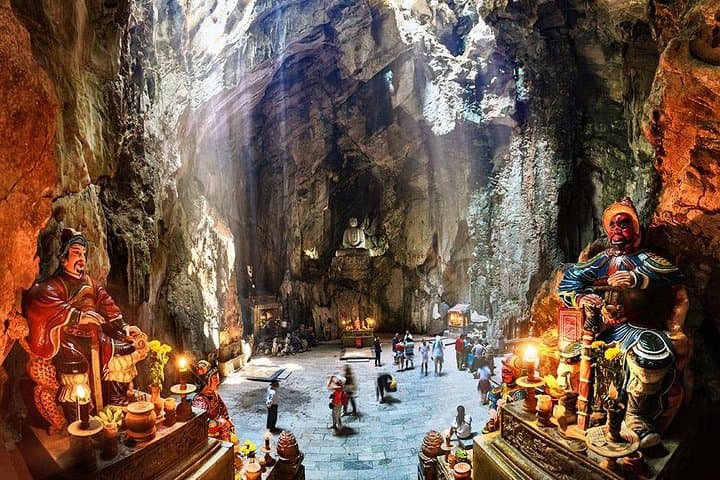
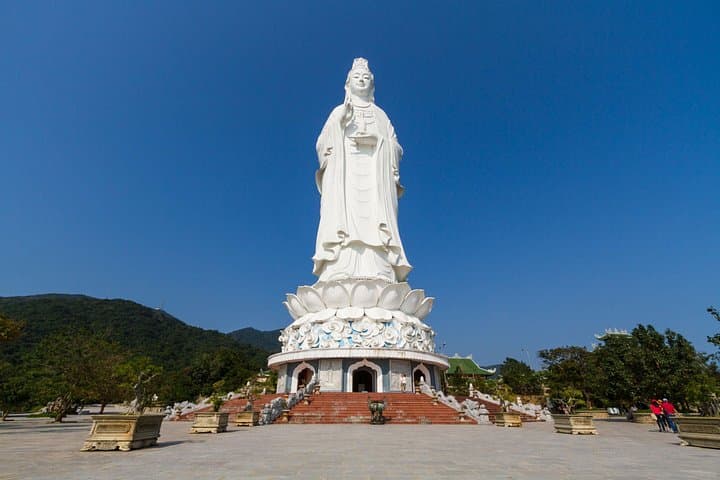
You step out of the air‑conditioned van and the salt‑edged breeze from the East Vietnam Sea meets the stone — a sudden contrast of cool marble caves and sunlit coastal road. The tour moves with a steady rhythm: first the contemplative sweep of Linh Ung Pagoda with its high Bodhisattva watching the bay, then the carved staircases and hidden caverns of Marble Mountains, and finally the lantern-lit alleys of Hoi An’s Ancient Town.
Verified experiences and guided adventures in the surrounding area.
Operated by Vietnam Sightseeing · Da Nang, Da Nang
You step out of the air‑conditioned van and the salt‑edged breeze from the East Vietnam Sea meets the stone — a sudden contrast of cool marble caves and sunlit coastal road. The tour moves with a steady rhythm: first the contemplative sweep of Linh Ung Pagoda with its high Bodhisattva watching the bay, then the carved staircases and hidden caverns of Marble Mountains, and finally the lantern-lit alleys of Hoi An’s Ancient Town.
Marble Mountains are five limestone and marble outcrops formed by tectonic uplift and coastal erosion, each named for an element; they hold caves and Buddhist sanctuaries hewn over centuries. Linh Ung Bai But is a modern complex (consecrated in 2010) that sits atop older spiritual routes, while Hoi An reflects centuries of trade between Chinese, Japanese, and European merchants — its Japanese Covered Bridge and Chinese assembly halls are living records.
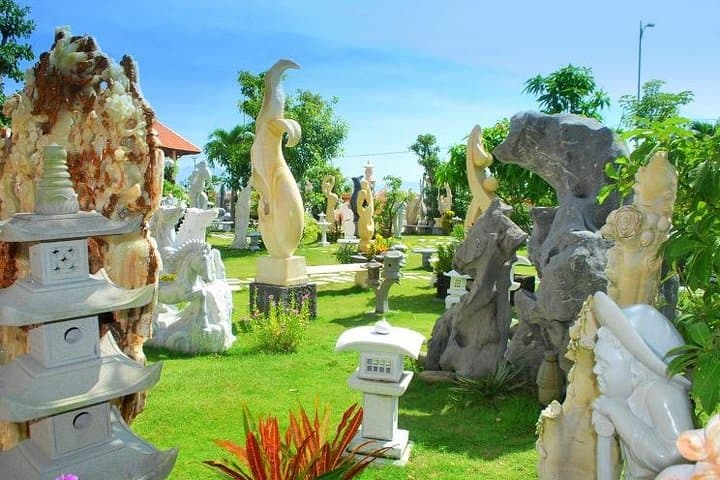
Expect stone stair climbs, tight temple passages, and a busy village of stone carvers near Non Nuoc. Cultural notes: dress respectfully at pagodas (shoulders and knees covered) and ask before photographing monks. Practical guidance: wear grippy shoes for uneven marble steps and bring sun protection; there’s steady walking but no technical scrambling. The tour runs about six hours, typically with hotel pickup in Da Nang and Hoi An; bottled water and a light lunch are usually included, but carry small cash for street snacks and carvings. Time your visit for early morning or late afternoon to avoid peak heat and crowds — the light on the limestone faces is best then.
easy.
6 hours.
Light walking fitness; able to manage multiple flights of stairs and short uphill sections
The tour is approximately six hours with hotel pickup and drop‑off in Da Nang; exact timing depends on traffic and vehicle routing.
Most standard tickets include entrance to main sites and some meals; confirm on booking details if specific admissions are covered.
Yes — the tour is rated easy, but some sites have stairs and uneven surfaces, so mobility limitations may require extra assistance.
Local meals are usually included; inform the operator of dietary restrictions in advance so they can arrange alternatives.
Marble Mountains have long been a spiritual and quarrying landscape; Hoi An was a major trading port from the 15th–19th centuries, blending Chinese, Japanese and European influences.
Caves and shrine areas are fragile — avoid graffiti and stay on marked paths. Support local stone carvers who use sustainable sourcing practices when possible.
Vietnam Sightseeing operates guided outdoor trips and adventures with an emphasis on safety, stewardship, and memorable experiences.

You step out of the air‑conditioned van and the salt‑edged breeze from the East Vietnam Sea meets the stone — a sudden contrast of cool marble caves and sunlit coastal road. The tour moves with a steady rhythm: first the contemplative sweep of Linh Ung Pagoda with its high Bodhisattva watching the bay, then the carved staircases and hidden caverns of Marble Mountains, and finally the lantern-lit alleys of Hoi An’s Ancient Town.
You step out of the air‑conditioned van and the salt‑edged breeze from the East Vietnam Sea meets the stone — a sudden contrast of cool marble caves and sunlit coastal road. The tour moves with a steady rhythm: first the contemplative sweep of Linh Ung Pagoda with its high Bodhisattva watching the bay, then the carved staircases and hidden caverns of Marble Mountains, and finally the lantern-lit alleys of Hoi An’s Ancient Town.
Marble Mountains are five limestone and marble outcrops formed by tectonic uplift and coastal erosion, each named for an element; they hold caves and Buddhist sanctuaries hewn over centuries. Linh Ung Bai But is a modern complex (consecrated in 2010) that sits atop older spiritual routes, while Hoi An reflects centuries of trade between Chinese, Japanese, and European merchants — its Japanese Covered Bridge and Chinese assembly halls are living records.
Expect stone stair climbs, tight temple passages, and a busy village of stone carvers near Non Nuoc. Cultural notes: dress respectfully at pagodas (shoulders and knees covered) and ask before photographing monks. Practical guidance: wear grippy shoes for uneven marble steps and bring sun protection; there’s steady walking but no technical scrambling. The tour runs about six hours, typically with hotel pickup in Da Nang and Hoi An; bottled water and a light lunch are usually included, but carry small cash for street snacks and carvings. Time your visit for early morning or late afternoon to avoid peak heat and crowds — the light on the limestone faces is best then.