THE ADVENTURE COLLECTIVE® · Independent discovery and booking for outdoor travel

Step off your cruise and into a day that stitches ocean views, sacred hilltop shrines and a UNESCO-listed trading town. This shore excursion pairs Da Nang’s coastal high points with Hoi An’s living history—ideal for travelers who want culture without long transfers.
Step off your cruise and into a day that stitches ocean views, sacred hilltop shrines and a UNESCO-listed trading town. This shore excursion pairs Da Nang’s coastal high points with Hoi An’s living history—ideal for travelers who want culture without long transfers.
A harbor breeze lifts the salt off Tien Sa as you step from the gangway into an air-conditioned van and head toward Son Tra Peninsula. The Giant Lady Buddha emerges on the ridge—white stone against blue sea—looking out as if to steady the shipping lanes below. Walking the pagoda grounds, incense and wind combine; the ocean seems to press forward, eager to be noticed.
Verified experiences and guided adventures in the surrounding area.
Operated by Tran Tours · Da Nang, Da Nang
A harbor breeze lifts the salt off Tien Sa as you step from the gangway into an air-conditioned van and head toward Son Tra Peninsula. The Giant Lady Buddha emerges on the ridge—white stone against blue sea—looking out as if to steady the shipping lanes below. Walking the pagoda grounds, incense and wind combine; the ocean seems to press forward, eager to be noticed.
The Marble Mountains are next: five limestone-and-marble knobs carved by monsoon, tectonics and human hands. Caves hollowed into stone once served as field hospitals and hiding places during conflict; now they frame small shrines and stairways that give way to panoramic city-and-ocean views. Hoi An contrasts with Da Nang’s modernity. Its yellow-painted merchant houses, the covered Japanese Bridge and crowded riverside market tell of a port that prospered under Champa and then became a crossroads for Chinese, Japanese and European traders.
History and geology are tactile here—marble artisans still chip statues in a nearby village, and the Thu Bon River pushes lantern-lit reflections at dusk. Cultural threads run visible and close: assembly halls, tailor shops and street-food stalls hold stories in their timbers and sauces.
Practical guidance: plan for an eight-hour shore day, wear grippy shoes for stairs and cave steps, bring sun protection and a lightweight rain layer in monsoon months. Carry local currency for museum or craft purchases, and allow an hour buffer for port reboarding. Hydrate steadily—Vietnam’s heat can feel like a companion that asks for respect.
moderate.
8 hours.
Moderate fitness; comfortable walking for several hours and climbing stairs is required
Bring your passport or a copy as your cruise line may require it at reboarding; guides will also need passport details when booking.
This tour lists entrance tickets as included, but small local donations at pagodas or optional craft demos may require extra cash.
Expect several short to moderate walks, stair climbs at Marble Mountains and temple grounds — a moderate fitness level is recommended.
Infants and small children can ride in a stroller, but uneven terrain and stairs at some sites make a carrier useful for easier movement.
Hoi An grew as a trading port for the Champa kingdom and later hosted Chinese, Japanese and European merchants; Marble Mountains contain caves used as wartime shelters and shrines.
Son Tra Peninsula is a protected area with ongoing habitat restoration; visitors should avoid feeding wildlife and stick to marked paths to limit erosion and disturbance.
Tran Tours operates guided outdoor trips and adventures with an emphasis on safety, stewardship, and memorable experiences.
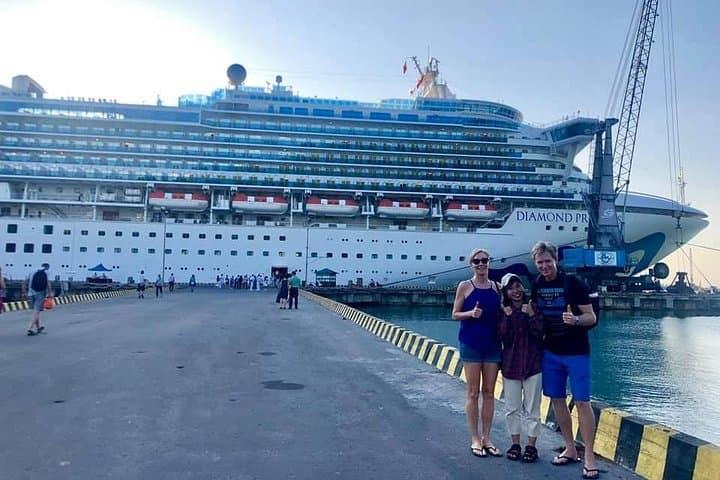

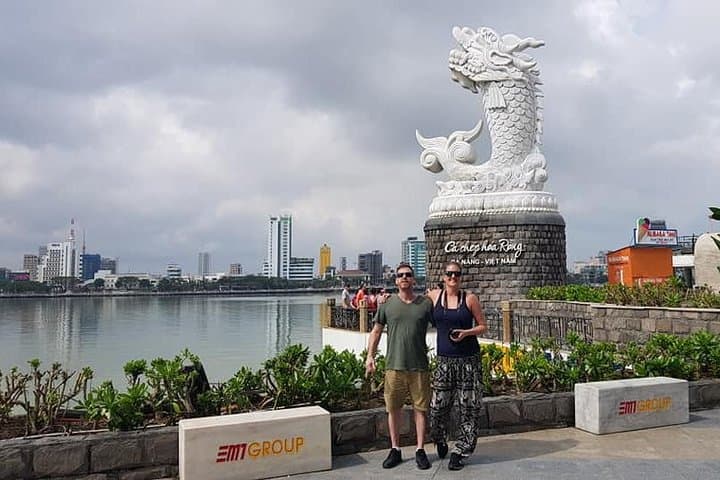
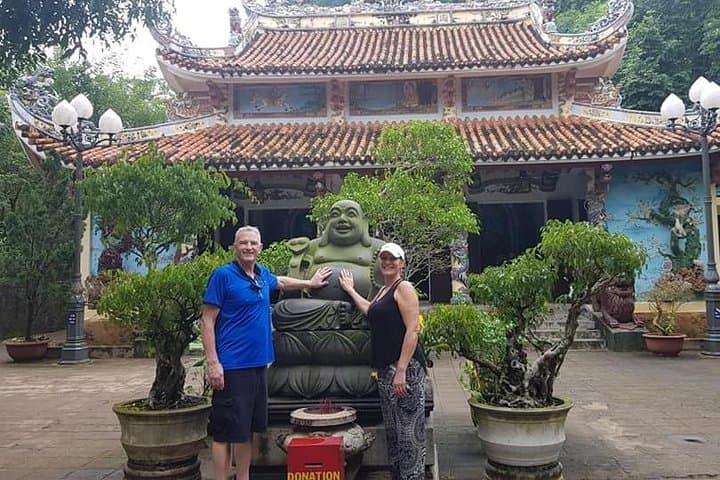
A harbor breeze lifts the salt off Tien Sa as you step from the gangway into an air-conditioned van and head toward Son Tra Peninsula. The Giant Lady Buddha emerges on the ridge—white stone against blue sea—looking out as if to steady the shipping lanes below. Walking the pagoda grounds, incense and wind combine; the ocean seems to press forward, eager to be noticed.
A harbor breeze lifts the salt off Tien Sa as you step from the gangway into an air-conditioned van and head toward Son Tra Peninsula. The Giant Lady Buddha emerges on the ridge—white stone against blue sea—looking out as if to steady the shipping lanes below. Walking the pagoda grounds, incense and wind combine; the ocean seems to press forward, eager to be noticed.
The Marble Mountains are next: five limestone-and-marble knobs carved by monsoon, tectonics and human hands. Caves hollowed into stone once served as field hospitals and hiding places during conflict; now they frame small shrines and stairways that give way to panoramic city-and-ocean views. Hoi An contrasts with Da Nang’s modernity. Its yellow-painted merchant houses, the covered Japanese Bridge and crowded riverside market tell of a port that prospered under Champa and then became a crossroads for Chinese, Japanese and European traders.
History and geology are tactile here—marble artisans still chip statues in a nearby village, and the Thu Bon River pushes lantern-lit reflections at dusk. Cultural threads run visible and close: assembly halls, tailor shops and street-food stalls hold stories in their timbers and sauces.
Practical guidance: plan for an eight-hour shore day, wear grippy shoes for stairs and cave steps, bring sun protection and a lightweight rain layer in monsoon months. Carry local currency for museum or craft purchases, and allow an hour buffer for port reboarding. Hydrate steadily—Vietnam’s heat can feel like a companion that asks for respect.