THE ADVENTURE COLLECTIVE® · Independent discovery and booking for outdoor travel

Spend a full day from Da Nang visiting Son Tra’s Lady Buddha, climbing the Marble Mountains’ cave shrines, watching stone artisans at Non Nuoc, and finishing under Hoi An’s lantern-lit streets. This practical guide covers what to expect and how to prepare for a 7–8 hour cultural and coastal loop.
Spend a full day from Da Nang visiting Son Tra’s Lady Buddha, climbing the Marble Mountains’ cave shrines, watching stone artisans at Non Nuoc, and finishing under Hoi An’s lantern-lit streets. This practical guide covers what to expect and how to prepare for a 7–8 hour cultural and coastal loop.
You step out of the van as the ocean wind pushes a warm breath across Son Tra—Lady Buddha stands high above the peninsula, watching ships slip past the bay. The morning light pins the statue in sharp relief; gulls wheel and the city hums below. From that high, the tour settles into a rhythm of viewpoints, caves, and street-lit evenings.
Verified experiences and guided adventures in the surrounding area.
Operated by Charm Tourist · Da Nang, Da Nang
You step out of the van as the ocean wind pushes a warm breath across Son Tra—Lady Buddha stands high above the peninsula, watching ships slip past the bay. The morning light pins the statue in sharp relief; gulls wheel and the city hums below. From that high, the tour settles into a rhythm of viewpoints, caves, and street-lit evenings.
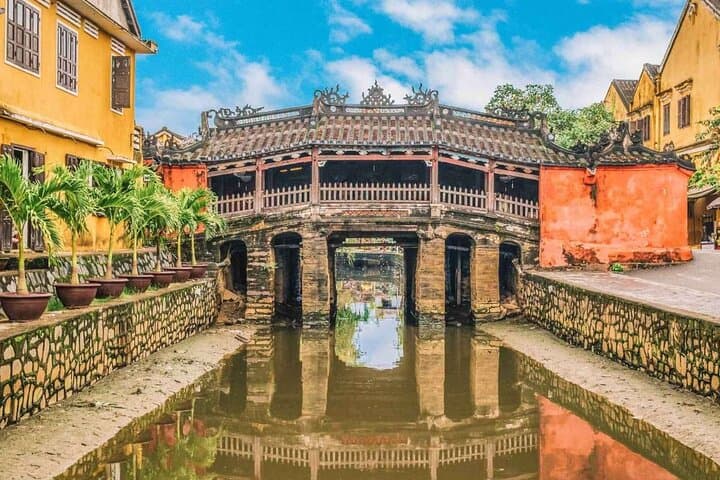
Geology and history run together here: Marble Mountains are limestone and marble karsts pocked with caves and pagodas carved and expanded through centuries of faith. Hoi An was once a thriving Southeast Asian trading port from the 15th to 19th centuries; its wooden shop-houses and the Japanese Covered Bridge reflect Chinese, Japanese and European influences. Non Nuoc village nearby preserves stone-carving traditions that have supplied altars and gateways across Vietnam for generations.
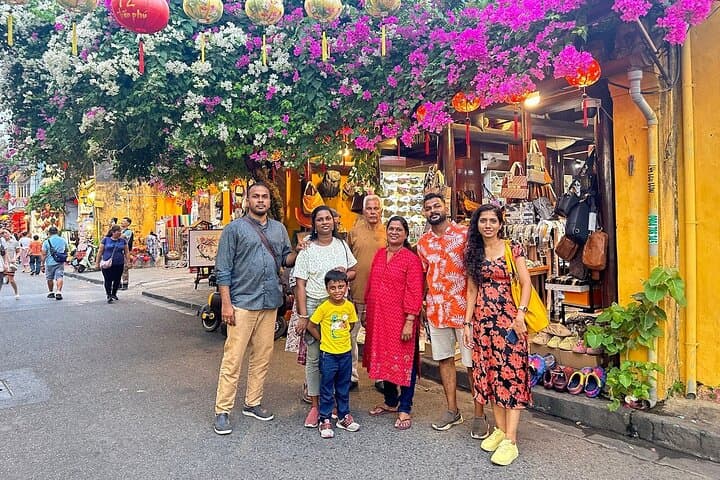
Expect a mix of short walks and stair climbs—caves with steps, coastal viewpoints, and a long evening stroll through Hoi An’s lantern-lit streets and the Hoai River. The day blends natural panoramas with tangible culture: artisans carving marble, vendors cooking cao lầu over charcoal, and market stalls alive with spices and silk.
Practical side: wear grippy shoes for steep, uneven steps; bring a refillable water bottle and sun protection; carry some Vietnamese dong for market purchases; and set aside energy for about seven to eight hours on your feet. Timing matters—visit Son Tra early for cooler air and save Hoi An for after dusk when the lanterns transform the old town into a walking tableau.
easy.
7–8 hours.
Suitable for travelers with basic stamina—short climbs and stairs but no technical hiking.
The full-day tour runs about 7–8 hours (420–480 minutes) and typically returns to Da Nang in the evening after Hoi An’s night market.
The tour is rated easy but includes stairs and uneven paths—children and those with limited mobility may find Marble Mountains and some pagoda steps challenging.
Entrance fees and meals according to the itinerary are included; confirm specifics with the operator when booking.
Yes—Non Nuoc village and Hoi An’s markets include shopping stops; bring cash and allow time for browsing.
Hoi An was a bustling international port from the 15th–19th centuries; Marble Mountains have long been a pilgrimage site with caves and shrines used by local Buddhists.
Visitor pressure threatens Son Tra’s habitat—stay on marked roads, avoid feeding wildlife, buy local handcrafted goods to support community conservation.
Charm Tourist operates guided outdoor trips and adventures with an emphasis on safety, stewardship, and memorable experiences.


You step out of the van as the ocean wind pushes a warm breath across Son Tra—Lady Buddha stands high above the peninsula, watching ships slip past the bay. The morning light pins the statue in sharp relief; gulls wheel and the city hums below. From that high, the tour settles into a rhythm of viewpoints, caves, and street-lit evenings.
You step out of the van as the ocean wind pushes a warm breath across Son Tra—Lady Buddha stands high above the peninsula, watching ships slip past the bay. The morning light pins the statue in sharp relief; gulls wheel and the city hums below. From that high, the tour settles into a rhythm of viewpoints, caves, and street-lit evenings.
Geology and history run together here: Marble Mountains are limestone and marble karsts pocked with caves and pagodas carved and expanded through centuries of faith. Hoi An was once a thriving Southeast Asian trading port from the 15th to 19th centuries; its wooden shop-houses and the Japanese Covered Bridge reflect Chinese, Japanese and European influences. Non Nuoc village nearby preserves stone-carving traditions that have supplied altars and gateways across Vietnam for generations.
Expect a mix of short walks and stair climbs—caves with steps, coastal viewpoints, and a long evening stroll through Hoi An’s lantern-lit streets and the Hoai River. The day blends natural panoramas with tangible culture: artisans carving marble, vendors cooking cao lầu over charcoal, and market stalls alive with spices and silk.
Practical side: wear grippy shoes for steep, uneven steps; bring a refillable water bottle and sun protection; carry some Vietnamese dong for market purchases; and set aside energy for about seven to eight hours on your feet. Timing matters—visit Son Tra early for cooler air and save Hoi An for after dusk when the lanterns transform the old town into a walking tableau.