THE ADVENTURE COLLECTIVE® · Independent discovery and booking for outdoor travel

Step ashore at Chan May or Tien Sa and spend a day between rugged limestone, city viewpoints and Hoi An’s UNESCO-listed streets. This shore excursion pairs Marble Mountains’ caves and pagodas with a guided walk through Hoi An’s historic riverfront and markets — all with port pickup and return.
Step ashore at Chan May or Tien Sa and spend a day between rugged limestone, city viewpoints and Hoi An’s UNESCO-listed streets. This shore excursion pairs Marble Mountains’ caves and pagodas with a guided walk through Hoi An’s historic riverfront and markets — all with port pickup and return.
You step off the gangway into a warm, salty breeze — the minivan waits, and the city unfolds between ocean and limestone. The drive toward Marble Mountains climbs through coastal flats; the hills rise like folded language, their caves and pagodas cut into older stone. The guide’s voice blends practical direction with local stories as you climb steps to a ridge where Da Nang’s skyline tilts toward the sea.
Verified experiences and guided adventures in the surrounding area.
Operated by My Son Tours · Da Nang, Da Nang
You step off the gangway into a warm, salty breeze — the minivan waits, and the city unfolds between ocean and limestone. The drive toward Marble Mountains climbs through coastal flats; the hills rise like folded language, their caves and pagodas cut into older stone. The guide’s voice blends practical direction with local stories as you climb steps to a ridge where Da Nang’s skyline tilts toward the sea.
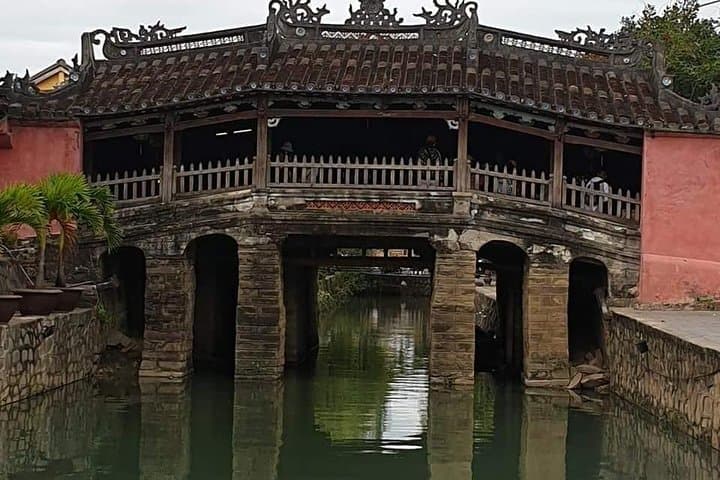
Marble Mountains (Ngu Hanh Son) are five marble and limestone outcrops named after the elements. Geologically they are karst formations, punctuated by caves hollowed over millennia; you’ll pass shrines carved into cool darkness and step into viewpoints that gesture across beaches and shipping lanes. Later, Hoi An’s Old Town feels deliberate and human-scale — wooden shop-houses, the arched Japanese Covered Bridge, and riverside markets that recall its era as a major trading port between East and West.
Expect 90 minutes at Marble Mountains with some stair climbing and uneven pathways, then a guided walking tour of Hoi An’s core, plus time to browse markets and have lunch at a local restaurant. The route offers cultural context — Chinese assembly halls, Japanese merchant houses — paired with clear logistics: pick-up at Chan May or Tien Sa Port, covered entrance fees to listed sites, and guaranteed return to the ship on time.
Practical edge: wear grippy shoes for steps and wet cave floors, carry local cash for souvenirs, and plan visits in the morning or late afternoon to avoid midday heat. Hydrate, move at your own pace on narrow staircases, and bring a lightweight rain layer in summer monsoon months.
moderate.
8 hours.
Moderate fitness: able to manage stair climbs, uneven cave floors, and walking tours lasting several hours.
The tour is approximately 8 hours (480 minutes). Operators schedule pick-up and arrival to ensure you return to the ship on time; provide your ship’s schedule when booking.
Yes. Entrance and elevator tickets for Marble Mountains and required admissions in Hoi An are included in the tour price.
Not recommended for those with significant mobility limitations due to stairs and uneven terrain at Marble Mountains and narrow pedestrian lanes in Hoi An.
Lunch at a local restaurant and cold bottled water are included as listed in the tour inclusions.
Hoi An developed as a major trading port from the 15th–18th centuries, attracting Japanese, Chinese and European merchants; Marble Mountains have been a spiritual and quarry site for centuries.
Visitor management focuses on preserving fragile cave shrines and limiting damage from foot traffic; choose local guides and avoid littering to support conservation.
My Son Tours operates guided outdoor trips and adventures with an emphasis on safety, stewardship, and memorable experiences.
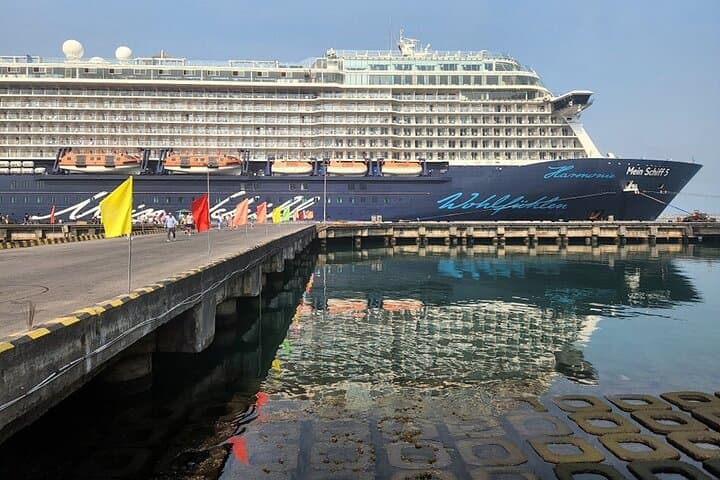
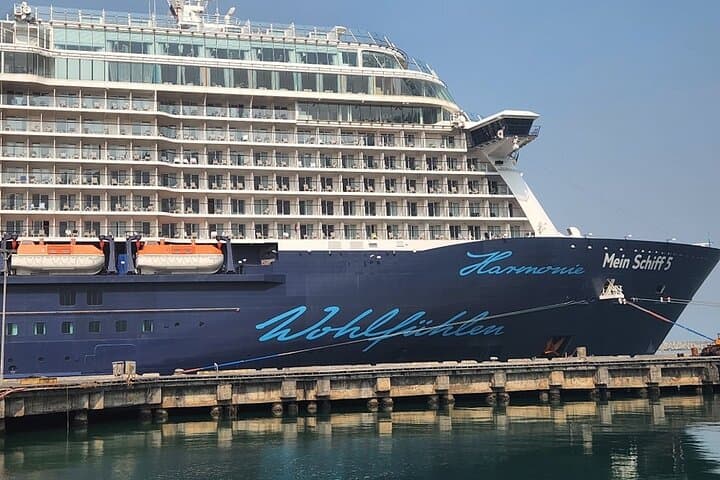

You step off the gangway into a warm, salty breeze — the minivan waits, and the city unfolds between ocean and limestone. The drive toward Marble Mountains climbs through coastal flats; the hills rise like folded language, their caves and pagodas cut into older stone. The guide’s voice blends practical direction with local stories as you climb steps to a ridge where Da Nang’s skyline tilts toward the sea.
You step off the gangway into a warm, salty breeze — the minivan waits, and the city unfolds between ocean and limestone. The drive toward Marble Mountains climbs through coastal flats; the hills rise like folded language, their caves and pagodas cut into older stone. The guide’s voice blends practical direction with local stories as you climb steps to a ridge where Da Nang’s skyline tilts toward the sea.
Marble Mountains (Ngu Hanh Son) are five marble and limestone outcrops named after the elements. Geologically they are karst formations, punctuated by caves hollowed over millennia; you’ll pass shrines carved into cool darkness and step into viewpoints that gesture across beaches and shipping lanes. Later, Hoi An’s Old Town feels deliberate and human-scale — wooden shop-houses, the arched Japanese Covered Bridge, and riverside markets that recall its era as a major trading port between East and West.
Expect 90 minutes at Marble Mountains with some stair climbing and uneven pathways, then a guided walking tour of Hoi An’s core, plus time to browse markets and have lunch at a local restaurant. The route offers cultural context — Chinese assembly halls, Japanese merchant houses — paired with clear logistics: pick-up at Chan May or Tien Sa Port, covered entrance fees to listed sites, and guaranteed return to the ship on time.
Practical edge: wear grippy shoes for steps and wet cave floors, carry local cash for souvenirs, and plan visits in the morning or late afternoon to avoid midday heat. Hydrate, move at your own pace on narrow staircases, and bring a lightweight rain layer in summer monsoon months.