THE ADVENTURE COLLECTIVE® · Independent discovery and booking for outdoor travel

Drive Normandy’s D‑Day coastline from Le Havre in a private tour that visits Longues‑sur‑Mer, Arromanches, Juno Beach, Bény‑sur‑Mer cemetery and Pegasus Bridge. Expect reflective stops, short walks on uneven terrain and a day spent tracing history along chalk cliffs and historic sands.
Drive Normandy’s D‑Day coastline from Le Havre in a private tour that visits Longues‑sur‑Mer, Arromanches, Juno Beach, Bény‑sur‑Mer cemetery and Pegasus Bridge. Expect reflective stops, short walks on uneven terrain and a day spent tracing history along chalk cliffs and historic sands.
You step into a low, briny wind as the minivan peels away from Le Havre and the Normandy coast stretches into the midmorning haze.
Verified experiences and guided adventures in the surrounding area.
Operated by LE HAVRE NORMANDY EXCURSIONS · Le Havre, Normandy
You step into a low, briny wind as the minivan peels away from Le Havre and the Normandy coast stretches into the midmorning haze.
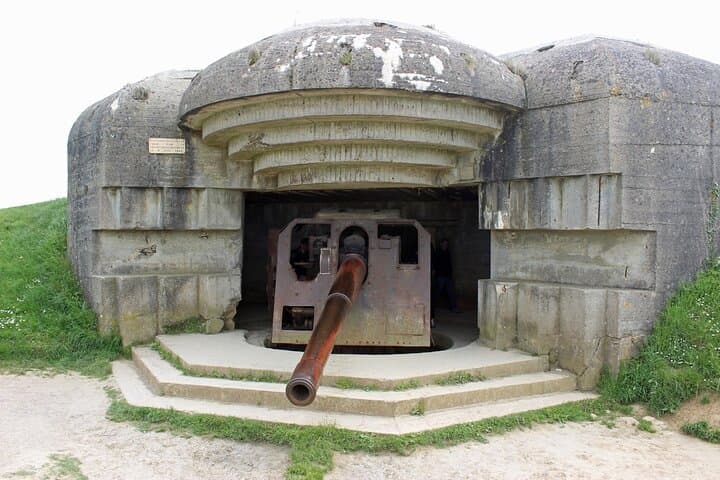
The tour threads along the same coastal roads that saw landing craft and summer smoke in 1944. First stop: the concrete scars of Longues-sur-Mer battery, where German bunkers stare out over an Atlantic that seems to dare you to imagine the scale of the assault. Then Arromanches — its cliff-top circular cinema and the rusting skeletons of the Mulberry harbour are tangible geology meeting engineered history.
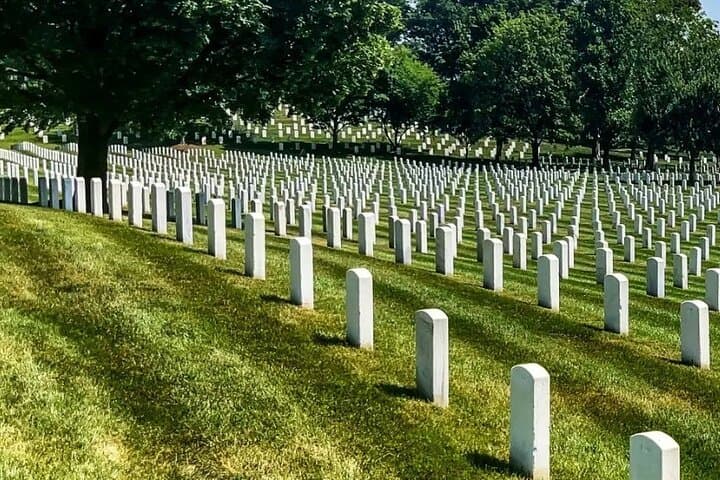
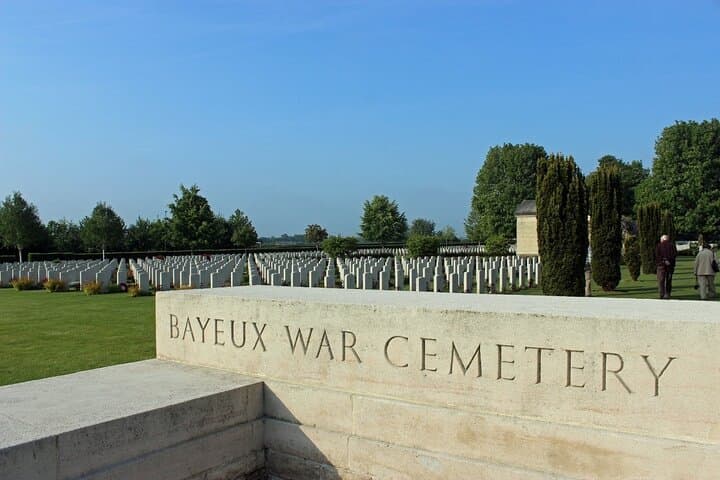
Courseulles and Juno Beach bring quieter moments: sand, small dunes and the Juno Beach Centre with its Canadian-focused exhibits. Bény-sur-Mer cemetery and Pegasus Bridge follow, each place a measured pause in the narrative of D‑Day and the Battle of Normandy.
Geology here is simple and honest — chalk cliffs, tidal flats and pebbled shorelines that shaped landing choices and movement.
Practical guidance: expect several short walks on uneven ground, low cliffs and beach sand; bring sturdy shoes and a windproof layer. Admissions for museums and the Arromanches 360 cinema are typically not included, so budget extra time and euros. The tour runs roughly 6–7 hours with hotel or port pickup in Le Havre; pace is reflective rather than rushed, so allow for solemn stops.
Local etiquette: treat cemeteries and memorials with silence and restraint, and ask before photographing close-up portraits or grieving visitors. Hydrate between stops and keep passports and any cruise documentation handy for port returns.
easy.
6–7 hours.
Suitable for most fitness levels; involves multiple short, low‑effort walks and some stairs or uneven ground
Some sites, like Arromanches 360 and the Juno Beach Centre, typically charge admission; cemetery grounds are free but guided exhibits may have fees.
The vehicle and many pickup options are wheelchair accessible, but some sites have uneven terrain or stairs — contact the operator about specific accessibility needs.
Pickups are from the Le Havre cruise terminal, select hotels or Honfleur as arranged; drop‑off returns to the original pickup point or as specified when booking.
Walking is light to moderate: short beach walks, cliff viewpoints and museum visits — plan for several 10–20 minute strolls on varied ground.
This coastline saw the Allied amphibious landings on 6 June 1944; sites mix preserved fortifications, temporary harbour remains and Commonwealth cemeteries that map the campaign’s phases.
Coastal habitats are sensitive — stick to paths, avoid disturbing dunes and dispose of waste; many sites are maintained by combined local and international preservation groups.
LE HAVRE NORMANDY EXCURSIONS operates guided outdoor trips and adventures with an emphasis on safety, stewardship, and memorable experiences.
You step into a low, briny wind as the minivan peels away from Le Havre and the Normandy coast stretches into the midmorning haze.
You step into a low, briny wind as the minivan peels away from Le Havre and the Normandy coast stretches into the midmorning haze.
The tour threads along the same coastal roads that saw landing craft and summer smoke in 1944. First stop: the concrete scars of Longues-sur-Mer battery, where German bunkers stare out over an Atlantic that seems to dare you to imagine the scale of the assault. Then Arromanches — its cliff-top circular cinema and the rusting skeletons of the Mulberry harbour are tangible geology meeting engineered history.
Courseulles and Juno Beach bring quieter moments: sand, small dunes and the Juno Beach Centre with its Canadian-focused exhibits. Bény-sur-Mer cemetery and Pegasus Bridge follow, each place a measured pause in the narrative of D‑Day and the Battle of Normandy.
Geology here is simple and honest — chalk cliffs, tidal flats and pebbled shorelines that shaped landing choices and movement.
Practical guidance: expect several short walks on uneven ground, low cliffs and beach sand; bring sturdy shoes and a windproof layer. Admissions for museums and the Arromanches 360 cinema are typically not included, so budget extra time and euros. The tour runs roughly 6–7 hours with hotel or port pickup in Le Havre; pace is reflective rather than rushed, so allow for solemn stops.
Local etiquette: treat cemeteries and memorials with silence and restraint, and ask before photographing close-up portraits or grieving visitors. Hydrate between stops and keep passports and any cruise documentation handy for port returns.