THE ADVENTURE COLLECTIVE® · Independent discovery and booking for outdoor travel

Leave Paris early and spend a full day on Normandy’s shores visiting Omaha Beach, the American Cemetery, Arromanches and Juno Beach. This guided trip blends battlefield history, coastal geology and reflective moments at the sites where the Second World War turned.
Leave Paris early and spend a full day on Normandy’s shores visiting Omaha Beach, the American Cemetery, Arromanches and Juno Beach. This guided trip blends battlefield history, coastal geology and reflective moments at the sites where the Second World War turned.
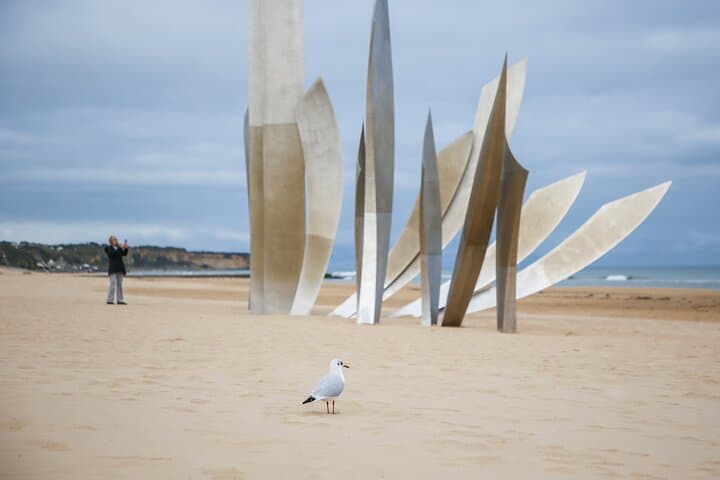
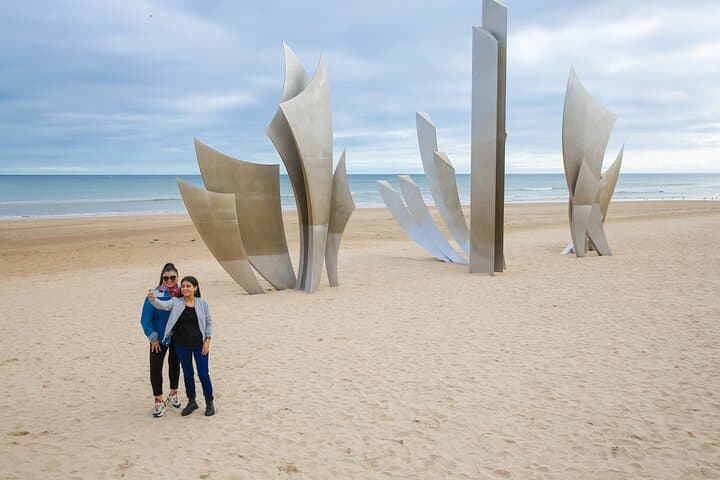
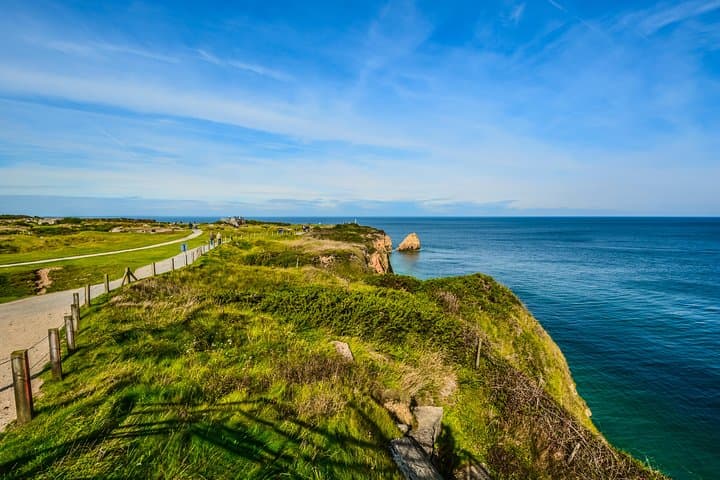
You leave Paris before dawn, the coach easing onto the A13 while the city’s silhouette shrinks behind you. By mid-morning the coastline opens: chalky cliffs, wind-ruffled grass, and wide beaches that still hold the scale of what happened here. Standing on Omaha, the surf seems to speak with a steady, relentless voice — an elemental counterpoint to the human stories carved into these sands.
Verified experiences and guided adventures in the surrounding area.
Operated by Paris CityVision · Colleville-sur-Mer, Normandy
You leave Paris before dawn, the coach easing onto the A13 while the city’s silhouette shrinks behind you. By mid-morning the coastline opens: chalky cliffs, wind-ruffled grass, and wide beaches that still hold the scale of what happened here. Standing on Omaha, the surf seems to speak with a steady, relentless voice — an elemental counterpoint to the human stories carved into these sands.
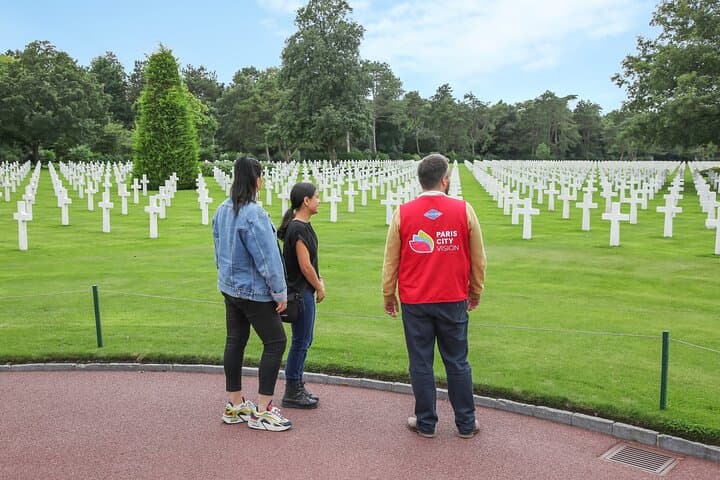
This day trip threads key D‑Day sites: Omaha Beach where American troops landed under heavy fire; the perfectly aligned rows of the Normandy American Cemetery at Colleville‑sur‑Mer; the remains of the Mulberry harbor at Arromanches; and the Juno Beach Center recalling Canadian operations. Geologically, the coastline is Jurassic chalk and clay; the cliffs and low ridges shaped tactical lines and observation points during the invasion. Locals in surrounding towns maintain museums, memorials, and small bakeries whose quiet rhythms are bound up with the memory of Liberation.
Expect guided narratives rich with primary accounts and military context — maps, unit movements, and the logistics of the Allied landings. The pilgrimage element is clear at the cemetery’s low grass and marble crosses; the tour balances reverence with practical logistics: parking at tight coastal sites, timed entries, and limited walking distances.
Practical guidance: dress in layers against wind and rain, wear sturdy flat shoes for uneven paths and cliff edges, carry water and a small notebook if you want to record names and inscriptions, and allow one full day (13 hours) including transit. For quieter reflection, arrive early at the cemetery and hold conversation to a minimum to honor the site.
moderate.
13 hours.
Suitable for those with a moderate fitness level; most stops involve short walks (10–30 minutes) on uneven terrain and moving between coach and sites.
Expect about 3–4 hours each way depending on traffic, making this a full 12–13 hour day.
Admission is free at the Normandy American Cemetery; some tour visits include time inside museum sites but museum tickets may vary by itinerary.
No—coaches typically do not accept large suitcases; travel light on the day-trip to avoid issues.
Yes—restrooms are available at the American Cemetery, Juno Beach Center and scheduled comfort stops during the coach transfer.
The sites commemorate the Allied invasions of June 6, 1944, when multinational forces landed to establish a foothold on Nazi‑occupied Europe; the cemetery at Colleville‑sur‑Mer contains graves and names of the missing tied directly to those operations.
Coastal chalk cliffs and beach habitats are sensitive to erosion and foot traffic; visitors are encouraged to stay on designated paths and follow signage to protect fragile vegetation.
Paris CityVision operates guided outdoor trips and adventures with an emphasis on safety, stewardship, and memorable experiences.
You leave Paris before dawn, the coach easing onto the A13 while the city’s silhouette shrinks behind you. By mid-morning the coastline opens: chalky cliffs, wind-ruffled grass, and wide beaches that still hold the scale of what happened here. Standing on Omaha, the surf seems to speak with a steady, relentless voice — an elemental counterpoint to the human stories carved into these sands.
You leave Paris before dawn, the coach easing onto the A13 while the city’s silhouette shrinks behind you. By mid-morning the coastline opens: chalky cliffs, wind-ruffled grass, and wide beaches that still hold the scale of what happened here. Standing on Omaha, the surf seems to speak with a steady, relentless voice — an elemental counterpoint to the human stories carved into these sands.
This day trip threads key D‑Day sites: Omaha Beach where American troops landed under heavy fire; the perfectly aligned rows of the Normandy American Cemetery at Colleville‑sur‑Mer; the remains of the Mulberry harbor at Arromanches; and the Juno Beach Center recalling Canadian operations. Geologically, the coastline is Jurassic chalk and clay; the cliffs and low ridges shaped tactical lines and observation points during the invasion. Locals in surrounding towns maintain museums, memorials, and small bakeries whose quiet rhythms are bound up with the memory of Liberation.
Expect guided narratives rich with primary accounts and military context — maps, unit movements, and the logistics of the Allied landings. The pilgrimage element is clear at the cemetery’s low grass and marble crosses; the tour balances reverence with practical logistics: parking at tight coastal sites, timed entries, and limited walking distances.
Practical guidance: dress in layers against wind and rain, wear sturdy flat shoes for uneven paths and cliff edges, carry water and a small notebook if you want to record names and inscriptions, and allow one full day (13 hours) including transit. For quieter reflection, arrive early at the cemetery and hold conversation to a minimum to honor the site.