THE ADVENTURE COLLECTIVE® · Independent discovery and booking for outdoor travel

Pedal through Phnom Penh by cyclo and trade the city's rush for street-level encounters with colonial architecture, Wat Phnom, royal grounds and hidden local eats. This 3–4 hour guided afternoon tour mixes walking and cyclo rides with drinks and snacks.
Pedal through Phnom Penh by cyclo and trade the city's rush for street-level encounters with colonial architecture, Wat Phnom, royal grounds and hidden local eats. This 3–4 hour guided afternoon tour mixes walking and cyclo rides with drinks and snacks.
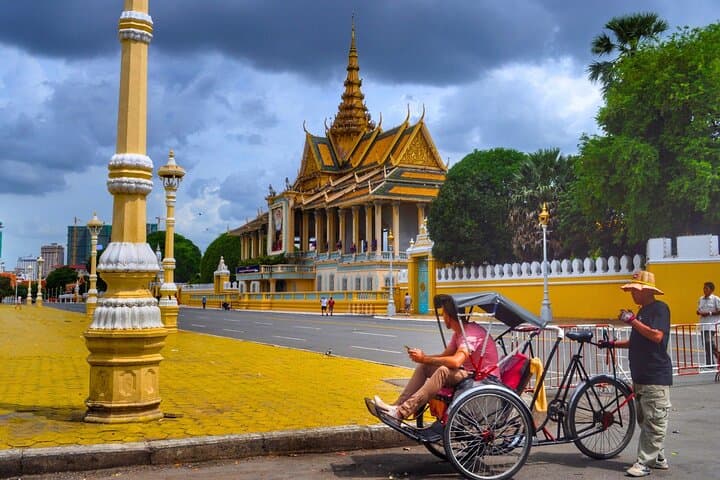
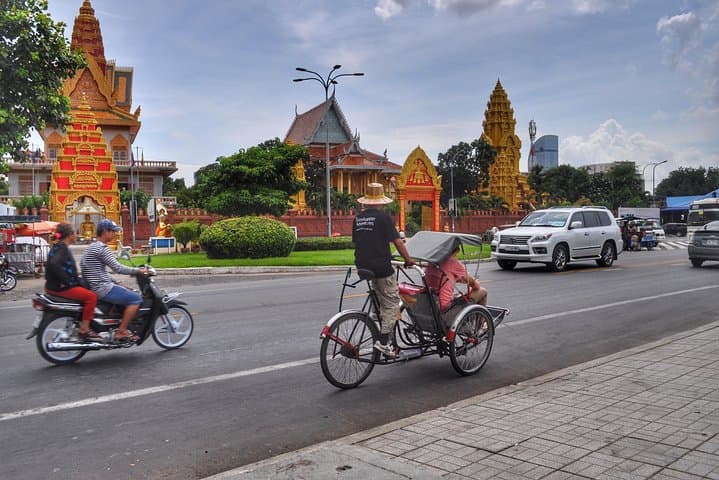
The afternoon starts with the click of a cyclo bell and the city spilling into motion — vendors calling, engines humming, and the Mekong daring you to look beyond the riverfront. Pedaled slowly through narrow streets, the cyclo becomes a human-scale window on Phnom Penh: colonial facades glide past, market stalls flash color, and small shrines appear between modern storefronts.
Verified experiences and guided adventures in the surrounding area.
Operated by Discova Southeast Asia · Phnom Penh, Phnom Penh
The afternoon starts with the click of a cyclo bell and the city spilling into motion — vendors calling, engines humming, and the Mekong daring you to look beyond the riverfront. Pedaled slowly through narrow streets, the cyclo becomes a human-scale window on Phnom Penh: colonial facades glide past, market stalls flash color, and small shrines appear between modern storefronts.
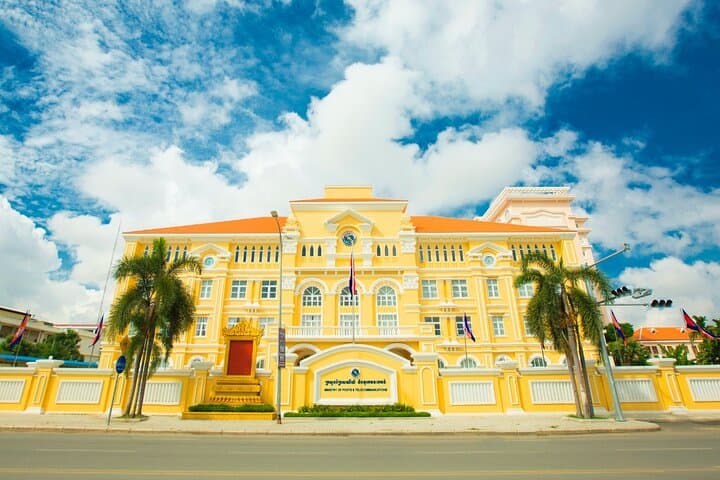
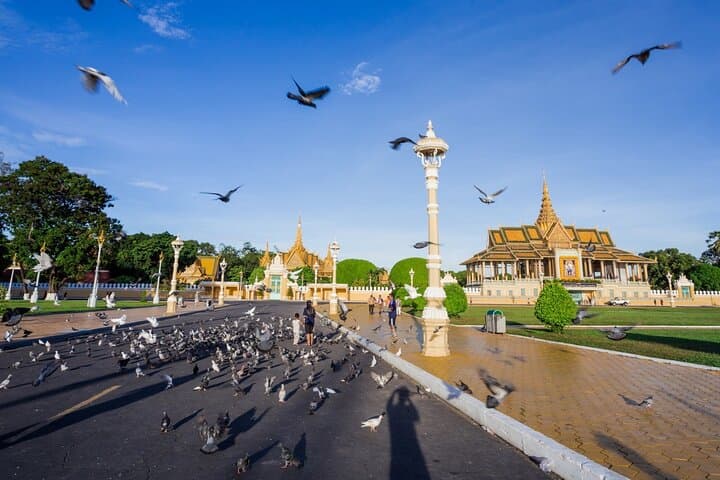
History is visible here: the French-era Central Post Office and nearby Royal Palace grounds reflect colonial planning and Khmer royal tradition, while Wat Phnom — a hill-top temple first raised in the 14th century — anchors local spiritual life. The city's geology is simple: low-lying alluvial plains carved by the Mekong and Tonle Sap, shaping markets and promenades where riverside life gathers daily. Culture shows in small rituals — incense, street coffee, and the polite exchange of greetings — and in the fading craft of the cyclo drivers who still thread the lanes.
Expect guided stops: a stroll around Wat Phnom, exterior views of the Royal Palace, a pause at the Central Post Office, and a longer cyclo-fed sweep through local markets ending at Botumvatey Pagoda. Snacks and drinks are included, and your guide will point out contemporary initiatives and hidden-eatery options.
Practical guidance: dress modestly for temple visits, carry local currency for small purchases and tips, and plan for heat—afternoon tours work best to avoid morning crowds but bring sun protection and a reusable water bottle. Wear comfortable shoes for short walks off the cyclo, and allow time afterward to relax riverside or return to your hotel with arranged transport.
easy.
3–4 hours.
Light fitness; requires short stretches of walking and sitting in a cyclo for extended periods
The meeting point is near Papa Pain by Soriya Mall; the tour finishes at Botumvatey Pagoda, with options for guide-arranged transport back to your hotel.
This tour stays outside the palace grounds and does not include Royal Palace admission; your guide will provide context without entering the complex.
Yes; the cyclo is gentle and suitable for most ages, though children must be accompanied by an adult and accessibility may be limited for larger mobility aids.
Tipping is appreciated and customary for good service; small cash tips directly to the driver and guide are the usual practice.
Phnom Penh grew as a riverside trading post; French colonial architecture and the Royal Palace reflect the 19th–20th century shifts that shaped the modern city.
Urban growth and river pollution strain local waterways—support vendors who reduce single-use plastics and follow guides' advice to respect temple sites and community spaces.
Discova Southeast Asia operates guided outdoor trips and adventures with an emphasis on safety, stewardship, and memorable experiences.
The afternoon starts with the click of a cyclo bell and the city spilling into motion — vendors calling, engines humming, and the Mekong daring you to look beyond the riverfront. Pedaled slowly through narrow streets, the cyclo becomes a human-scale window on Phnom Penh: colonial facades glide past, market stalls flash color, and small shrines appear between modern storefronts.
The afternoon starts with the click of a cyclo bell and the city spilling into motion — vendors calling, engines humming, and the Mekong daring you to look beyond the riverfront. Pedaled slowly through narrow streets, the cyclo becomes a human-scale window on Phnom Penh: colonial facades glide past, market stalls flash color, and small shrines appear between modern storefronts.
History is visible here: the French-era Central Post Office and nearby Royal Palace grounds reflect colonial planning and Khmer royal tradition, while Wat Phnom — a hill-top temple first raised in the 14th century — anchors local spiritual life. The city's geology is simple: low-lying alluvial plains carved by the Mekong and Tonle Sap, shaping markets and promenades where riverside life gathers daily. Culture shows in small rituals — incense, street coffee, and the polite exchange of greetings — and in the fading craft of the cyclo drivers who still thread the lanes.
Expect guided stops: a stroll around Wat Phnom, exterior views of the Royal Palace, a pause at the Central Post Office, and a longer cyclo-fed sweep through local markets ending at Botumvatey Pagoda. Snacks and drinks are included, and your guide will point out contemporary initiatives and hidden-eatery options.
Practical guidance: dress modestly for temple visits, carry local currency for small purchases and tips, and plan for heat—afternoon tours work best to avoid morning crowds but bring sun protection and a reusable water bottle. Wear comfortable shoes for short walks off the cyclo, and allow time afterward to relax riverside or return to your hotel with arranged transport.