THE ADVENTURE COLLECTIVE® · Independent discovery and booking for outdoor travel

Cycle from Haputale through rolling tea estates to Lipton’s Seat—a viewpoint made famous by Sir Thomas Lipton. Expect steep estate roads, sweeping highland views, and a practical, culture-rich ride that rewards early starts.
Cycle from Haputale through rolling tea estates to Lipton’s Seat—a viewpoint made famous by Sir Thomas Lipton. Expect steep estate roads, sweeping highland views, and a practical, culture-rich ride that rewards early starts.
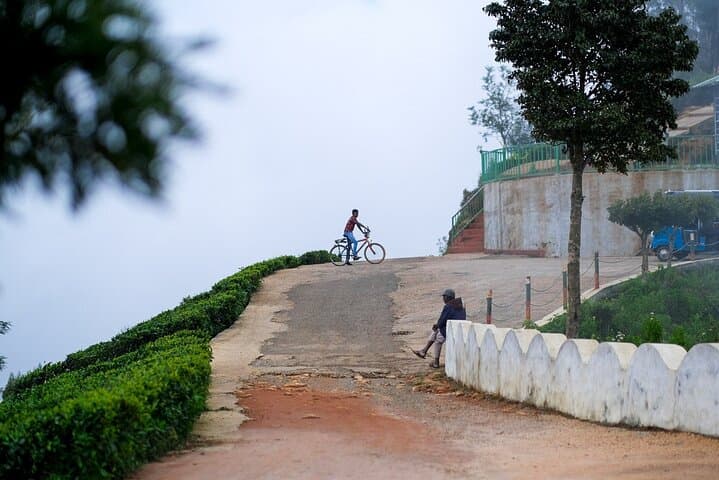
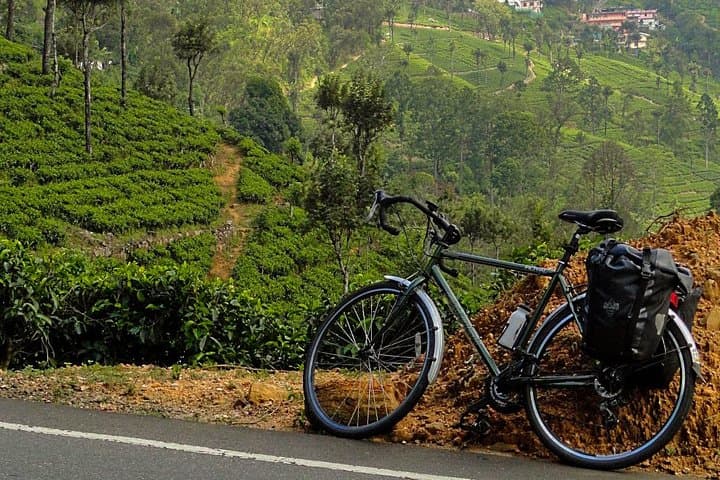
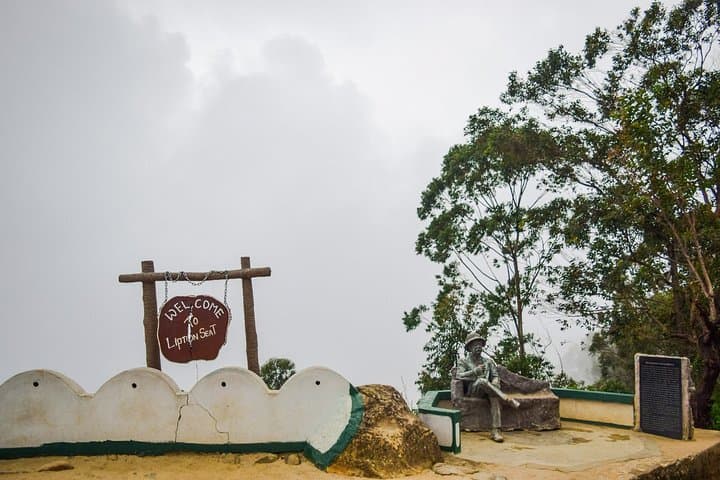
You pedal out of Haputale while mist peels off the slopes and the first rows of tea bushes stand like low green waves. The road climbs steady, punctuated by tight bends and the occasional shout of a tea plucker moving through the rows. At the top, Lipton's Seat opens: a promontory where Sir Thomas Lipton once scanned his estates and five provinces can be seen on a clear day.
Verified experiences and guided adventures in the surrounding area.
Operated by Lakpura LLC · Haputale, Uva Province
You pedal out of Haputale while mist peels off the slopes and the first rows of tea bushes stand like low green waves. The road climbs steady, punctuated by tight bends and the occasional shout of a tea plucker moving through the rows. At the top, Lipton's Seat opens: a promontory where Sir Thomas Lipton once scanned his estates and five provinces can be seen on a clear day.
The route follows colonial-era estate roads cut into the uplands of Uva Province. Geologically, these hills are part of Sri Lanka’s central highlands—folded metamorphic rocks that create steep ridges and deep gullies, feeding narrow streams through the plantations. Culturally, the area is dominated by tea culture: Tamil estate communities, roadside tea shops (kiosks), and the Dambatenne Tea Factory, an early 20th-century processing plant still in operation.
Expect a 20–30 km outing with roughly 400–700 m of climbing depending on the start point; terrain alternates paved village roads, gravel estate tracks, and short steeper pitches. The cadence shifts with the landscape—easy spinning through valleys, low gears on the climbs, and careful lines on dusty descents.
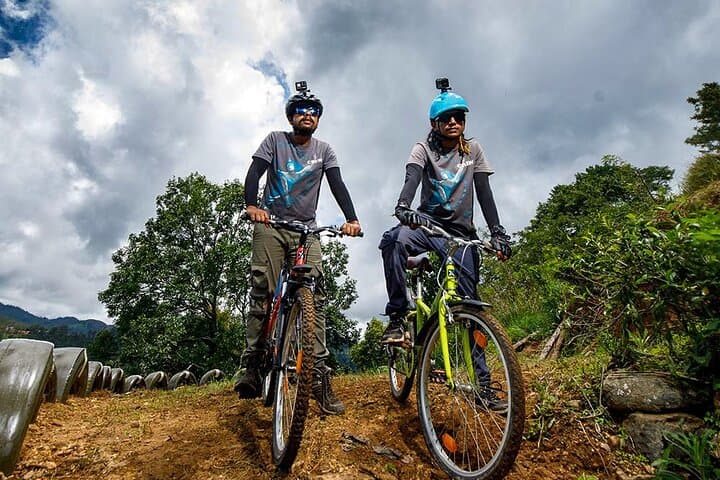
Plan for early starts to catch the view and avoid afternoon rain. Bring a well-maintained hybrid or gravel bike and a helmet; carry at least 1–2 liters of water, sunscreen, and basic repair tools. Respect working estates: stay on access roads, ask before photographing workers, and bring small notes of appreciation for local vendors. The ride is both a physical outing and a window into the living history of Ceylon tea.
moderate.
3–4 hours.
Suitable for riders with moderate fitness who can sustain steady climbs and handle short technical descents.
Typical guided routes take 3–4 hours round-trip; distance is commonly 20–30 km depending on the exact start point.
Beginner cyclists with basic fitness can manage flatter sections, but expect steep climbs—consider an e-bike or shorter guided option if unsure.
Small tea kiosks and shops appear near villages and estate entrances, but carry extra water and snacks for remote stretches.
Yes—local operators provide high-end bikes, helmets, transport, and a mechanic, which simplifies logistics and supports local guides.
Lipton’s Seat overlooks plantations developed under British colonial tea expansion; Sir Thomas Lipton popularized Ceylon tea globally and built infrastructure still used today.
Tea estates are working landscapes—stick to roads to reduce erosion and support small vendors; avoid littering and bring reusable bottles to cut plastic waste.
Lakpura LLC operates guided outdoor trips and adventures with an emphasis on safety, stewardship, and memorable experiences.
You pedal out of Haputale while mist peels off the slopes and the first rows of tea bushes stand like low green waves. The road climbs steady, punctuated by tight bends and the occasional shout of a tea plucker moving through the rows. At the top, Lipton's Seat opens: a promontory where Sir Thomas Lipton once scanned his estates and five provinces can be seen on a clear day.
You pedal out of Haputale while mist peels off the slopes and the first rows of tea bushes stand like low green waves. The road climbs steady, punctuated by tight bends and the occasional shout of a tea plucker moving through the rows. At the top, Lipton's Seat opens: a promontory where Sir Thomas Lipton once scanned his estates and five provinces can be seen on a clear day.
The route follows colonial-era estate roads cut into the uplands of Uva Province. Geologically, these hills are part of Sri Lanka’s central highlands—folded metamorphic rocks that create steep ridges and deep gullies, feeding narrow streams through the plantations. Culturally, the area is dominated by tea culture: Tamil estate communities, roadside tea shops (kiosks), and the Dambatenne Tea Factory, an early 20th-century processing plant still in operation.
Expect a 20–30 km outing with roughly 400–700 m of climbing depending on the start point; terrain alternates paved village roads, gravel estate tracks, and short steeper pitches. The cadence shifts with the landscape—easy spinning through valleys, low gears on the climbs, and careful lines on dusty descents.
Plan for early starts to catch the view and avoid afternoon rain. Bring a well-maintained hybrid or gravel bike and a helmet; carry at least 1–2 liters of water, sunscreen, and basic repair tools. Respect working estates: stay on access roads, ask before photographing workers, and bring small notes of appreciation for local vendors. The ride is both a physical outing and a window into the living history of Ceylon tea.