THE ADVENTURE COLLECTIVE® · Independent discovery and booking for outdoor travel

Cycle out of Hoi An and into mulberry gardens to see silkworms, watch wooden looms, and try lantern-making. This approachable half-day tour pairs light riding with hands-on sericulture and a local buffet.
Cycle out of Hoi An and into mulberry gardens to see silkworms, watch wooden looms, and try lantern-making. This approachable half-day tour pairs light riding with hands-on sericulture and a local buffet.
Morning light sketches palms and rice paddies as you pedal out of Hoi An toward the Silk Village. The traffic thins, a lane narrows, and a courtyard opens where mulberry trees shade low benches; the air smells faintly of steamed leaves and hot dye. Guides lead small groups from silkworm trays to wooden looms, and the day is a steady loop of observation and participation—feeding larvae, watching cocoons unspool into thread, then seeing the thread transformed on shuttle looms.
Verified experiences and guided adventures in the surrounding area.
Operated by Asia Travel Links · Hoi An, Quang Nam Province
Morning light sketches palms and rice paddies as you pedal out of Hoi An toward the Silk Village. The traffic thins, a lane narrows, and a courtyard opens where mulberry trees shade low benches; the air smells faintly of steamed leaves and hot dye. Guides lead small groups from silkworm trays to wooden looms, and the day is a steady loop of observation and participation—feeding larvae, watching cocoons unspool into thread, then seeing the thread transformed on shuttle looms.
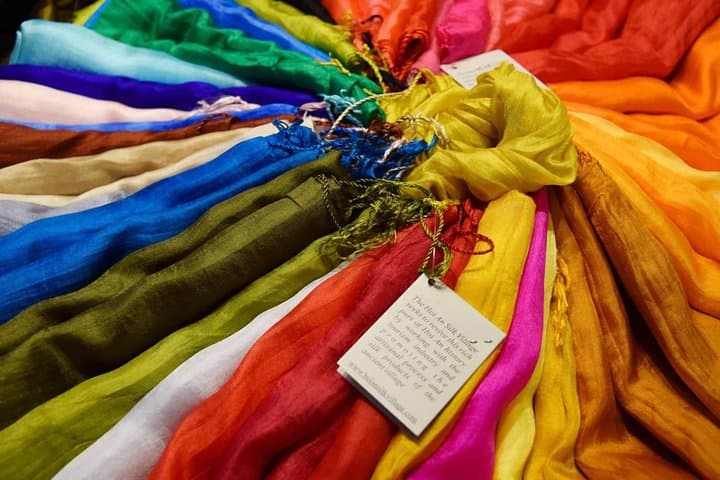
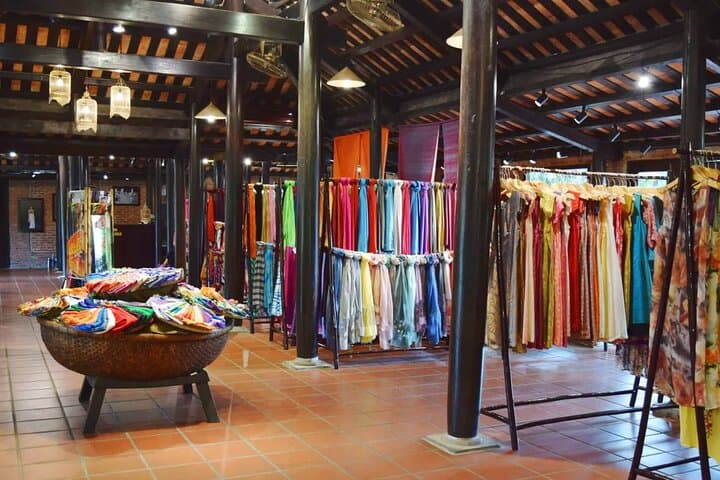
This craft sits on the flat alluvial plain of the Thu Bon River and carries layers of history. Techniques echo Champa-era patterns while local figures such as Doan Thi Ngoc are credited with consolidating sericulture in Quang Nam; contemporary workshops still blend hand skills with modest mechanization. Cultural notes show in costume displays (ao dai and ethnic textiles), and in the tailored silk pieces available at the showroom.
The itinerary combines mild cycling and short walks—mostly flat, packed-earth paths with occasional paved stretches—so the tour is accessible to most travelers. Expect a 4-hour rhythm: hotel pickup, village orientation, mulberry garden, silkworm house, weaving demos, a buffet of local dishes, and a lantern-making session.
Practical guidance: book a morning slot to avoid heat and afternoon storms; wear closed-toe shoes for workshop areas and light layers for changing humidity near dye vats; bring cash for bespoke tailoring and small souvenirs. If you have back or heart concerns, or if you are pregnant, the hands-on portions and cycling make this tour inadvisable—ask the operator about quieter viewing options.
easy.
3–4 hours.
Light fitness required—able to cycle short flat sections and stand for demonstrations
Yes—the guide will meet you at your hotel for the cycling start; pickup details are confirmed at booking.
A buffet lunch/dinner in the mulberry garden and bottled water are included as listed in the tour inclusions.
Generally yes—children who can ride a bike and tolerate short workshops will enjoy it; infants should sit on an adult’s lap per operator policy.
This tour is not recommended for pregnant travelers due to cycling and hands-on tasks—check with the operator for alternatives or private, less active options.
Sericulture in Quang Nam ties to local craft lineages and Champa textile techniques; the area’s modern revival credits figures who preserved traditional rearing and weaving methods.
Many workshops source locally grown mulberry and emphasize small-batch dyeing; visitors can reduce impact by avoiding single-use plastics and supporting ethically made pieces.
Asia Travel Links operates guided outdoor trips and adventures with an emphasis on safety, stewardship, and memorable experiences.
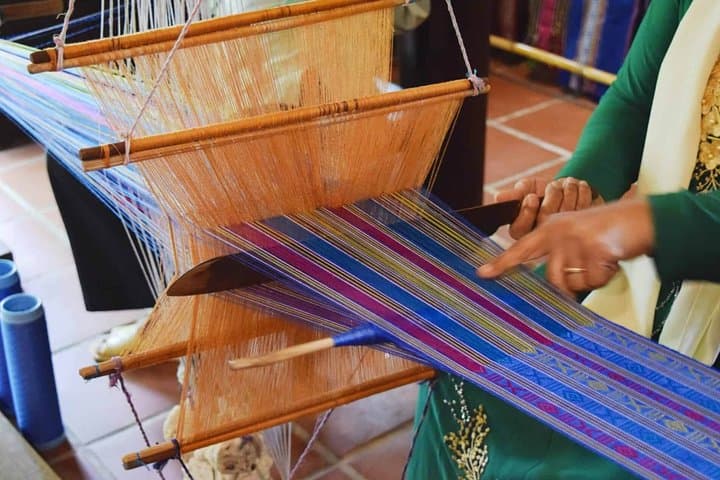
Morning light sketches palms and rice paddies as you pedal out of Hoi An toward the Silk Village. The traffic thins, a lane narrows, and a courtyard opens where mulberry trees shade low benches; the air smells faintly of steamed leaves and hot dye. Guides lead small groups from silkworm trays to wooden looms, and the day is a steady loop of observation and participation—feeding larvae, watching cocoons unspool into thread, then seeing the thread transformed on shuttle looms.
Morning light sketches palms and rice paddies as you pedal out of Hoi An toward the Silk Village. The traffic thins, a lane narrows, and a courtyard opens where mulberry trees shade low benches; the air smells faintly of steamed leaves and hot dye. Guides lead small groups from silkworm trays to wooden looms, and the day is a steady loop of observation and participation—feeding larvae, watching cocoons unspool into thread, then seeing the thread transformed on shuttle looms.
This craft sits on the flat alluvial plain of the Thu Bon River and carries layers of history. Techniques echo Champa-era patterns while local figures such as Doan Thi Ngoc are credited with consolidating sericulture in Quang Nam; contemporary workshops still blend hand skills with modest mechanization. Cultural notes show in costume displays (ao dai and ethnic textiles), and in the tailored silk pieces available at the showroom.
The itinerary combines mild cycling and short walks—mostly flat, packed-earth paths with occasional paved stretches—so the tour is accessible to most travelers. Expect a 4-hour rhythm: hotel pickup, village orientation, mulberry garden, silkworm house, weaving demos, a buffet of local dishes, and a lantern-making session.
Practical guidance: book a morning slot to avoid heat and afternoon storms; wear closed-toe shoes for workshop areas and light layers for changing humidity near dye vats; bring cash for bespoke tailoring and small souvenirs. If you have back or heart concerns, or if you are pregnant, the hands-on portions and cycling make this tour inadvisable—ask the operator about quieter viewing options.