THE ADVENTURE COLLECTIVE® · Independent discovery and booking for outdoor travel

Swap Bangkok’s bustle for a short riverside cycle to Ko Kret—an island of Mon potteries, paddy fields, and a riverside Pad Thai. This four-hour trip pairs easy riding with cultural stops and hands-on craft traditions.
Swap Bangkok’s bustle for a short riverside cycle to Ko Kret—an island of Mon potteries, paddy fields, and a riverside Pad Thai. This four-hour trip pairs easy riding with cultural stops and hands-on craft traditions.
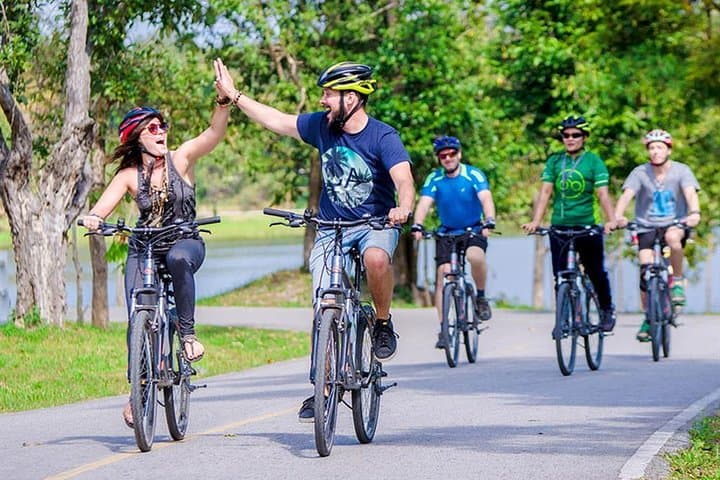
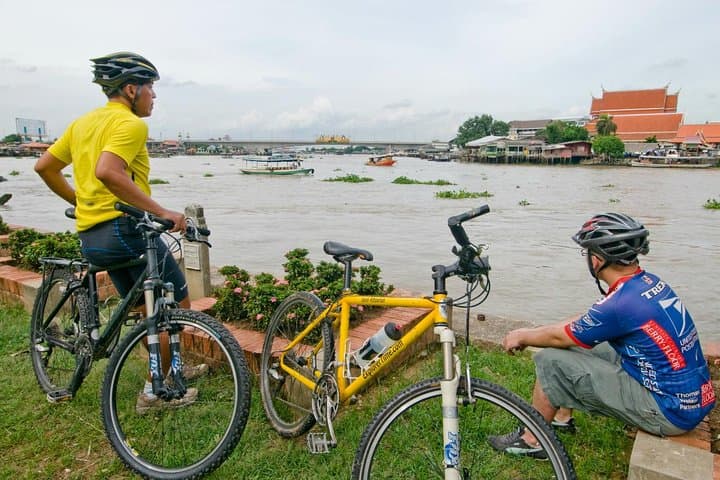
The ride peels away from Bangkok’s concrete edge and follows the Chao Phraya’s slow current until the river widens and a low, green island appears—Ko Kret. Pedaling here means trading honking traffic for narrow lanes, bicycles sharing space with market stalls, children darting between clay workshops, and rice paddies that seem to breathe with the seasons.
Verified experiences and guided adventures in the surrounding area.
Operated by Sightseeingbangkok.com · Nonthaburi, Nonthaburi Province
The ride peels away from Bangkok’s concrete edge and follows the Chao Phraya’s slow current until the river widens and a low, green island appears—Ko Kret. Pedaling here means trading honking traffic for narrow lanes, bicycles sharing space with market stalls, children darting between clay workshops, and rice paddies that seem to breathe with the seasons.
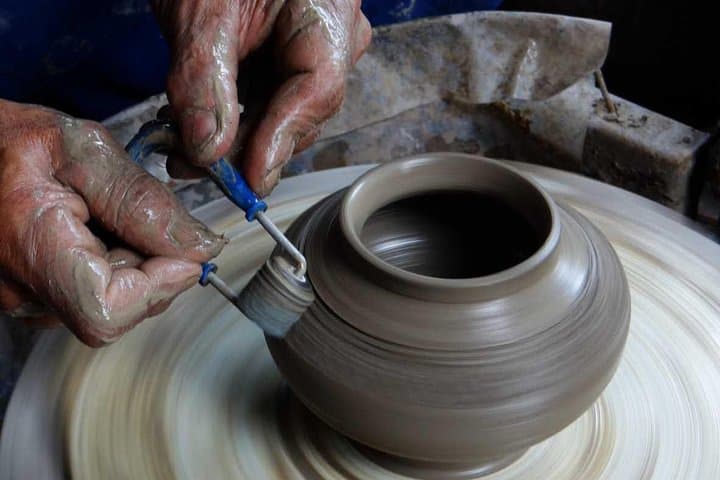
Ko Kret’s story is visible in its soil: raised clay kilns and the dense, reddish-black pottery made by descendants of the Mon people who arrived centuries ago. Geologically the island is a riverine deposit, its flat, alluvial ground perfect for orchards and paddy cultivation; culturally it’s a living studio where patterns and glazes are still handed down by touch. Wat Poramai Yikawat on the northeastern tip anchors the island with a reclining Buddha and a leaning stupa, marking a calm contrast to the lively market and pottery alleys.
Expect a relaxed, social pace: 4 hours total includes a riverside ride out of Bangkok, passage through villages, a loop of the island, and a sit-down Pad Thai lunch. Terrain is mostly flat packed dirt and paved lanes, occasionally narrow and crowded. Practical guidance: wear closed-toe shoes, bring sun protection and a refillable water bottle, and allow extra time to pause at kilns and craft shops. Cash is handy for small purchases and donations at temples. Morning departures avoid midday heat; rainy-season riders should pack a lightweight waterproof layer. The route is family-friendly but requires basic bike-handling in busy market stretches.
easy.
4 hours.
Suitable for riders with light aerobic fitness; no steep climbs but expect 10–12 km of riding with frequent stops.
The tour is about 4 hours total, including transfer and cycling; the on-bike distance is roughly 10–15 km depending on the route.
Yes—families with children who can pedal independently and handle occasional narrow lanes will usually find it manageable.
Yes, helmets are included with the bike rental on this tour.
Yes—local craftsmen sell distinctive glazed terracotta and often welcome visitors to observe or buy directly from their workshops.
Ko Kret was settled by the Mon people centuries ago; they developed distinctive pottery styles that remain a primary local craft and cultural marker.
The island’s compact footprint is sensitive to waste and runoff—visitors should prefer refillable bottles, avoid littering, and support local artisans to help sustain the community economy.
Sightseeingbangkok.com operates guided outdoor trips and adventures with an emphasis on safety, stewardship, and memorable experiences.

The ride peels away from Bangkok’s concrete edge and follows the Chao Phraya’s slow current until the river widens and a low, green island appears—Ko Kret. Pedaling here means trading honking traffic for narrow lanes, bicycles sharing space with market stalls, children darting between clay workshops, and rice paddies that seem to breathe with the seasons.
The ride peels away from Bangkok’s concrete edge and follows the Chao Phraya’s slow current until the river widens and a low, green island appears—Ko Kret. Pedaling here means trading honking traffic for narrow lanes, bicycles sharing space with market stalls, children darting between clay workshops, and rice paddies that seem to breathe with the seasons.
Ko Kret’s story is visible in its soil: raised clay kilns and the dense, reddish-black pottery made by descendants of the Mon people who arrived centuries ago. Geologically the island is a riverine deposit, its flat, alluvial ground perfect for orchards and paddy cultivation; culturally it’s a living studio where patterns and glazes are still handed down by touch. Wat Poramai Yikawat on the northeastern tip anchors the island with a reclining Buddha and a leaning stupa, marking a calm contrast to the lively market and pottery alleys.
Expect a relaxed, social pace: 4 hours total includes a riverside ride out of Bangkok, passage through villages, a loop of the island, and a sit-down Pad Thai lunch. Terrain is mostly flat packed dirt and paved lanes, occasionally narrow and crowded. Practical guidance: wear closed-toe shoes, bring sun protection and a refillable water bottle, and allow extra time to pause at kilns and craft shops. Cash is handy for small purchases and donations at temples. Morning departures avoid midday heat; rainy-season riders should pack a lightweight waterproof layer. The route is family-friendly but requires basic bike-handling in busy market stretches.