THE ADVENTURE COLLECTIVE® · Independent discovery and booking for outdoor travel

A demanding mountain route, Devil’s Staircase runs along the rim above Bambarakanda Falls — Sri Lanka’s tallest waterfall. Expect steep climbs, tight hairpins and a technical descent framed by tea country and cloud-draped peaks.
A demanding mountain route, Devil’s Staircase runs along the rim above Bambarakanda Falls — Sri Lanka’s tallest waterfall. Expect steep climbs, tight hairpins and a technical descent framed by tea country and cloud-draped peaks.
A cool mist clings to the mountains as your tires whisper across hairpin turns — Devil’s Staircase is a ride that keeps you honest. The route climbs through plantation ridgelines and stands of introduced pine, then opens to a raw drop where the road runs teeth‑edge close to Bambarakanda Falls, Sri Lanka’s tallest waterfall. Water hurls from the escarpment below, and on clear days the spray throws prisms across your path.
Verified experiences and guided adventures in the surrounding area.
Operated by Travceylon Leisure · Bandarawela, Uva Province
A cool mist clings to the mountains as your tires whisper across hairpin turns — Devil’s Staircase is a ride that keeps you honest. The route climbs through plantation ridgelines and stands of introduced pine, then opens to a raw drop where the road runs teeth‑edge close to Bambarakanda Falls, Sri Lanka’s tallest waterfall. Water hurls from the escarpment below, and on clear days the spray throws prisms across your path.
The falls themselves plunge roughly 263 meters off the central highlands, carved where fast mountain streams cut into ancient Precambrian rock. The surrounding landscape bears stamps of colonial-era tea development: narrow roads, stone culverts and small village settlements that grew with the plantations. The route skirts the Horton Plains boundary — a remnant of montane grassland and cloud forest protected as part of Sri Lanka’s central highlands.
Expect sustained climbing out of valley floors, followed by a steep, technical descent back toward base. Surfaces vary: paved highway, patched asphalt and occasional gravel shoulder. Weather flips quickly at altitude; fog and wind can alter visibility and traction.
Practical approach: start early when traffic is light and temperatures are lowest, inspect brakes and tires before you roll, and choose a bike with low gearing and reliable disc brakes. Bring spare tubes, a compact pump, layered clothing and at least 2 liters of water. Ride conservatively near the falls and on tight bends — momentum is thrilling but control matters more here. For experienced cyclists seeking a conditioning climb with a dramatic payoff, Devil’s Staircase delivers a mixture of raw scenery and technical riding that rewards respect and preparation.
challenging.
6 hours.
Good cardiovascular fitness and leg endurance are required; riders should be comfortable with sustained climbs and technical descents.
The climb is sustained and demanding; the descent is steep and technical with tight hairpins — suitable for riders experienced in mountain road cycling.
Drier months (typically September–November and January–February) offer more stable weather, while monsoon periods bring heavy rain and slippery roads.
Many operators supply high‑end bikes and helmets; confirm bike type and fit with the provider in advance and request disc-brake equipped bikes for the descent.
A local guide is recommended for navigation, traffic management and local knowledge of conditions and safest lines on the descent.
The road and surrounding plantations reflect colonial-era expansion of tea agriculture; the waterfall and highlands have long been seasonal grazing and forest areas prior to plantation conversion.
This section of the central highlands is ecologically sensitive — stick to roads, avoid littering and support local guides who follow low-impact practices.
Travceylon Leisure operates guided outdoor trips and adventures with an emphasis on safety, stewardship, and memorable experiences.
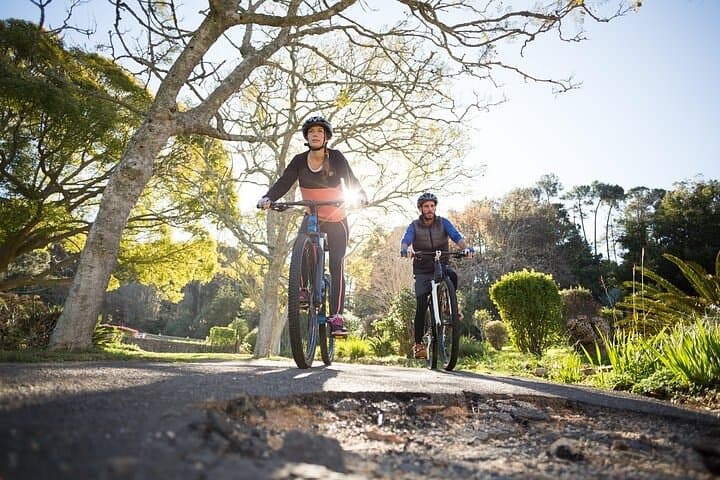
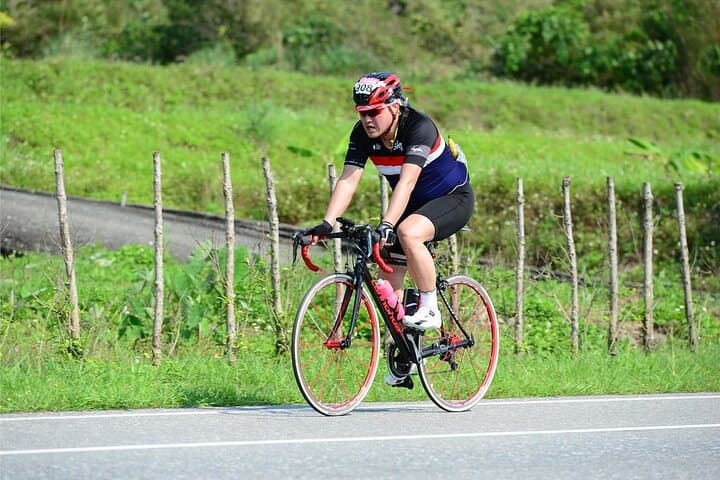
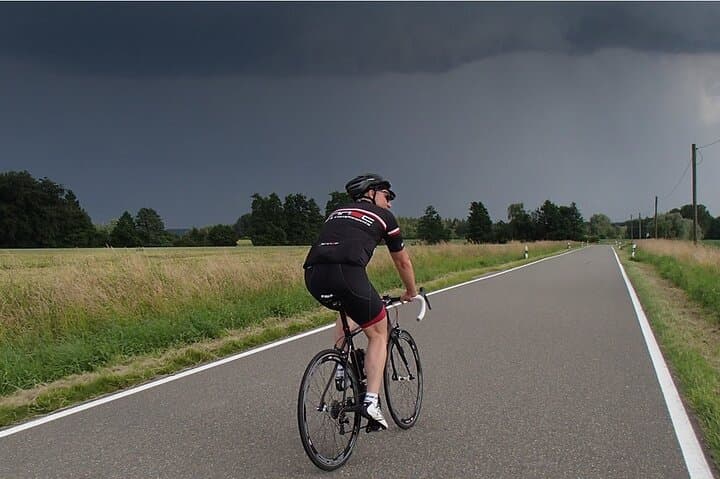
A cool mist clings to the mountains as your tires whisper across hairpin turns — Devil’s Staircase is a ride that keeps you honest. The route climbs through plantation ridgelines and stands of introduced pine, then opens to a raw drop where the road runs teeth‑edge close to Bambarakanda Falls, Sri Lanka’s tallest waterfall. Water hurls from the escarpment below, and on clear days the spray throws prisms across your path.
A cool mist clings to the mountains as your tires whisper across hairpin turns — Devil’s Staircase is a ride that keeps you honest. The route climbs through plantation ridgelines and stands of introduced pine, then opens to a raw drop where the road runs teeth‑edge close to Bambarakanda Falls, Sri Lanka’s tallest waterfall. Water hurls from the escarpment below, and on clear days the spray throws prisms across your path.
The falls themselves plunge roughly 263 meters off the central highlands, carved where fast mountain streams cut into ancient Precambrian rock. The surrounding landscape bears stamps of colonial-era tea development: narrow roads, stone culverts and small village settlements that grew with the plantations. The route skirts the Horton Plains boundary — a remnant of montane grassland and cloud forest protected as part of Sri Lanka’s central highlands.
Expect sustained climbing out of valley floors, followed by a steep, technical descent back toward base. Surfaces vary: paved highway, patched asphalt and occasional gravel shoulder. Weather flips quickly at altitude; fog and wind can alter visibility and traction.
Practical approach: start early when traffic is light and temperatures are lowest, inspect brakes and tires before you roll, and choose a bike with low gearing and reliable disc brakes. Bring spare tubes, a compact pump, layered clothing and at least 2 liters of water. Ride conservatively near the falls and on tight bends — momentum is thrilling but control matters more here. For experienced cyclists seeking a conditioning climb with a dramatic payoff, Devil’s Staircase delivers a mixture of raw scenery and technical riding that rewards respect and preparation.