THE ADVENTURE COLLECTIVE® · Independent discovery and booking for outdoor travel

Set out from Mullingar for self‑guided loops along the Royal Canal and Old Rail Greenway—flat to rolling terrain, clear lough swims and easy bike hire make this a top choice for families and confident beginners. Discover practical route notes, facilities and seasonal advice to plan your ride.
Set out from Mullingar for self‑guided loops along the Royal Canal and Old Rail Greenway—flat to rolling terrain, clear lough swims and easy bike hire make this a top choice for families and confident beginners. Discover practical route notes, facilities and seasonal advice to plan your ride.
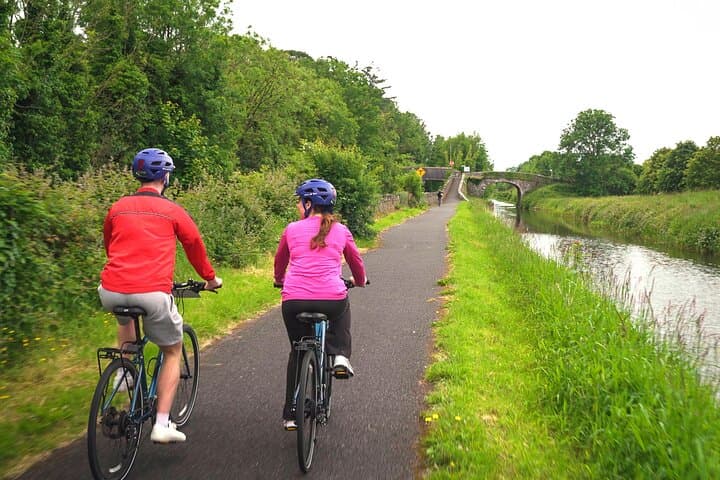
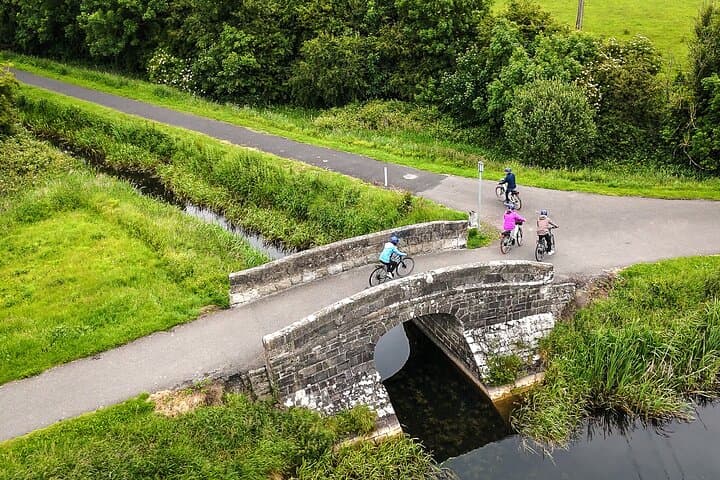
Morning light hits the platform at Mullingar Railway Station and the canal’s surface takes on a silver insistence, urging riders to mount and move. From this tidy hub a trio of self‑guided loops fans out: towpath miles along the Royal Canal, compacted old-rail surfaces slicing through fields, and quiet country lanes that roll toward Lough Owel and Lough Ennell. The air smells of cut grass and peat; the canal locks click and sigh like a vessel recalibrating its pace.
Verified experiences and guided adventures in the surrounding area.
Operated by Ireland Wild Escapes · Mullingar, County Westmeath
Morning light hits the platform at Mullingar Railway Station and the canal’s surface takes on a silver insistence, urging riders to mount and move. From this tidy hub a trio of self‑guided loops fans out: towpath miles along the Royal Canal, compacted old-rail surfaces slicing through fields, and quiet country lanes that roll toward Lough Owel and Lough Ennell. The air smells of cut grass and peat; the canal locks click and sigh like a vessel recalibrating its pace.
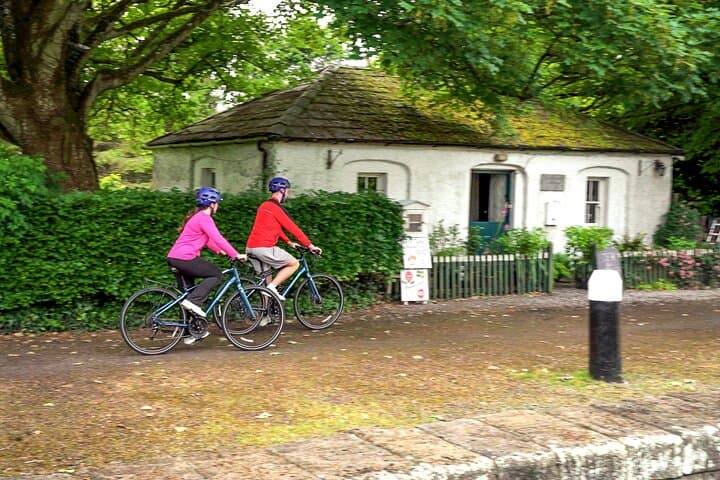
The Royal Canal itself is a work of late 18th–early 19th century engineering, built to link Dublin with the Shannon and stitched through Westmeath’s lowlands. Geologically, the route runs over glacial plains and drumlin country, giving frequent, short rises and broad, open views rather than steep climbs. Local villages offer pubs and cafés where decades-old stories of market days and angling persist alongside modern leisure cycling.
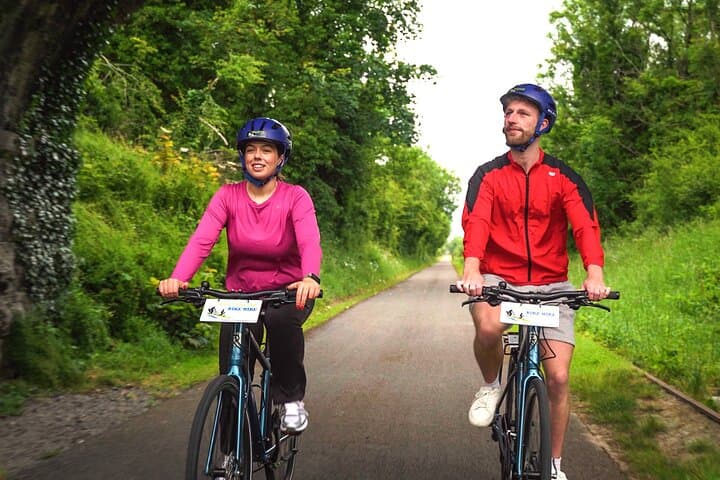
Practically, expect mixed surfaces: asphalt, compacted gravel towpaths and occasional farm tracks. Distances vary by loop—one common route is about 40–45 km; longer itineraries can tap into the full Royal Canal Greenway toward Cloondara. The Royal Canal Harbour HUB in Mullingar supplies quality bike hires (including e‑bikes), helmets, maps, toilets and showers, plus secure parking.
Plan for changing weather, bring layers and waterproofs, and allow time for swims at clear Lough Owel coves. Ride conservatively on towpaths where walkers and anglers share the space, and carry a basic repair kit: sealed punctures are the most common delay on these otherwise forgiving Irish midland rides.
moderate.
5–7 hours.
Moderate—comfortable with sustained pedaling and short climbs over several hours; suitable for active families with breaks
Yes—the Mullingar HUB supplies a range of bikes including electric, hybrid, kids’ options, helmets, hi‑viz jackets and child seats.
Loops vary: common options range from short family rides up to roughly 40–45 km for full day loops; terrain is mostly flat to gently rolling.
Yes—free parking, toilets and showers are available at the Royal Canal Harbour HUB in Mullingar.
Yes—both loughs have accessible bathing spots; check local signage for safe entry points and avoid disturbed or private areas.
The Royal Canal was constructed from the late 1700s to the mid‑1800s to link Dublin with the River Shannon and spurred market towns like Mullingar.
Stick to marked paths, pack out waste, and avoid cycling across wet, eroded verges to protect sensitive canal banks and bird habitats.
Ireland Wild Escapes operates guided outdoor trips and adventures with an emphasis on safety, stewardship, and memorable experiences.
Morning light hits the platform at Mullingar Railway Station and the canal’s surface takes on a silver insistence, urging riders to mount and move. From this tidy hub a trio of self‑guided loops fans out: towpath miles along the Royal Canal, compacted old-rail surfaces slicing through fields, and quiet country lanes that roll toward Lough Owel and Lough Ennell. The air smells of cut grass and peat; the canal locks click and sigh like a vessel recalibrating its pace.
Morning light hits the platform at Mullingar Railway Station and the canal’s surface takes on a silver insistence, urging riders to mount and move. From this tidy hub a trio of self‑guided loops fans out: towpath miles along the Royal Canal, compacted old-rail surfaces slicing through fields, and quiet country lanes that roll toward Lough Owel and Lough Ennell. The air smells of cut grass and peat; the canal locks click and sigh like a vessel recalibrating its pace.
The Royal Canal itself is a work of late 18th–early 19th century engineering, built to link Dublin with the Shannon and stitched through Westmeath’s lowlands. Geologically, the route runs over glacial plains and drumlin country, giving frequent, short rises and broad, open views rather than steep climbs. Local villages offer pubs and cafés where decades-old stories of market days and angling persist alongside modern leisure cycling.
Practically, expect mixed surfaces: asphalt, compacted gravel towpaths and occasional farm tracks. Distances vary by loop—one common route is about 40–45 km; longer itineraries can tap into the full Royal Canal Greenway toward Cloondara. The Royal Canal Harbour HUB in Mullingar supplies quality bike hires (including e‑bikes), helmets, maps, toilets and showers, plus secure parking.
Plan for changing weather, bring layers and waterproofs, and allow time for swims at clear Lough Owel coves. Ride conservatively on towpaths where walkers and anglers share the space, and carry a basic repair kit: sealed punctures are the most common delay on these otherwise forgiving Irish midland rides.