THE ADVENTURE COLLECTIVE® · Independent discovery and booking for outdoor travel

A full-day guided cycling route around the Noto Peninsula from Wajima, blending coastal roads, rural villages, and steep climbs. Tailored routes (60–80 km) and optional e-bikes make this a demanding but exceptionally scenic day ride.
A full-day guided cycling route around the Noto Peninsula from Wajima, blending coastal roads, rural villages, and steep climbs. Tailored routes (60–80 km) and optional e-bikes make this a demanding but exceptionally scenic day ride.
You push off from a small fishing town as the sea exhales salt and gull calls. The road climbs, ribboning along hedgerows and terraced rice paddies, then opens to a steel-blue coastline where capes and bays take turns daring you to look farther.
Verified experiences and guided adventures in the surrounding area.
Operated by HokRik Wheels · Wajima, Ishikawa Prefecture
You push off from a small fishing town as the sea exhales salt and gull calls. The road climbs, ribboning along hedgerows and terraced rice paddies, then opens to a steel-blue coastline where capes and bays take turns daring you to look farther.
The Noto Peninsula is rural Japan at scale: coastal cliffs carved from ancient volcanic and sedimentary rock, centuries-old fishing hamlets, and salt pans that shaped local livelihoods. Wajima’s lacquerware and the traditional salt farms nearby speak to a culture that made a living from wind and tide. Geological folds and narrow mountain passes make this peninsula varied—expect steep, short climbs and long coastal stretches.
A local guide who lives in the Wajima countryside tailors routes (typically 60–80 km) to your interests—temple stops, coastal overlooks, and lane-side cafés serving fresh seafood. Note that roads and access points are changing following the 2024 earthquake; your guide adjusts routes day-to-day.
Practically: arrive with a road-ready bike or reserve an e-bike three days ahead if you want power on climbs. Wear a helmet and padded shorts, carry 2–3 liters of water, and plan energy-rich snacks; food includes a restaurant lunch mid-tour. Start early for cooler air and softer light on ocean views, and be prepared for coastal winds that can change pace within minutes.
This is not a casual ride—expect sustained effort and reward: raw sea vistas, quiet village streets, and a close-up of a landscape where human craft and geology have shaped each other for generations.
challenging.
6–8 hours.
Good aerobic fitness and cycling endurance; comfortable with sustained climbs and descents over 60–80 km.
Most itineraries cover 60–80 km over 6–8 hours, adjusted for group fitness and stops.
Yes — e‑bikes can be provided for an extra fee if booked at least three days before the tour.
Because of steep terrain and long distances, riders should have prior road-cycling experience; novices should request an e‑bike and shorter route options.
The guide monitors road conditions daily and will modify routes to avoid damaged roads or closed sights for safety.
Wajima and the Noto coast have long traditions of lacquerware and salt production; maritime routes shaped local economies for centuries.
Ride-respectfully: stick to paved roads and village paths, avoid disturbing salt works and private farms, and carry out any trash—local ecosystems are sensitive and tourism impact is actively managed.
HokRik Wheels operates guided outdoor trips and adventures with an emphasis on safety, stewardship, and memorable experiences.
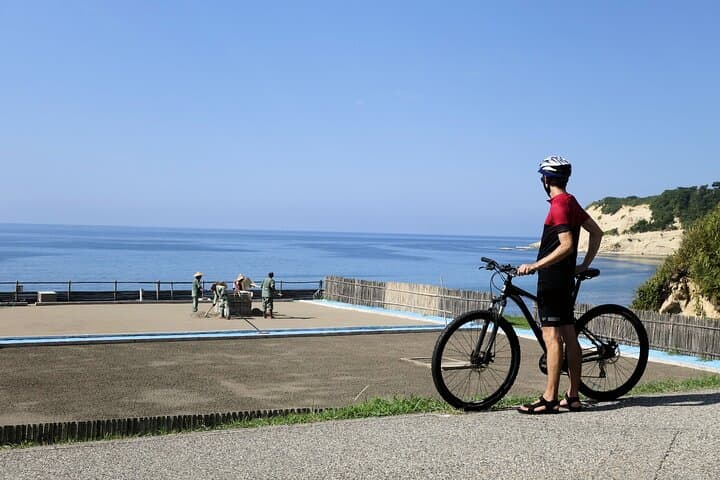
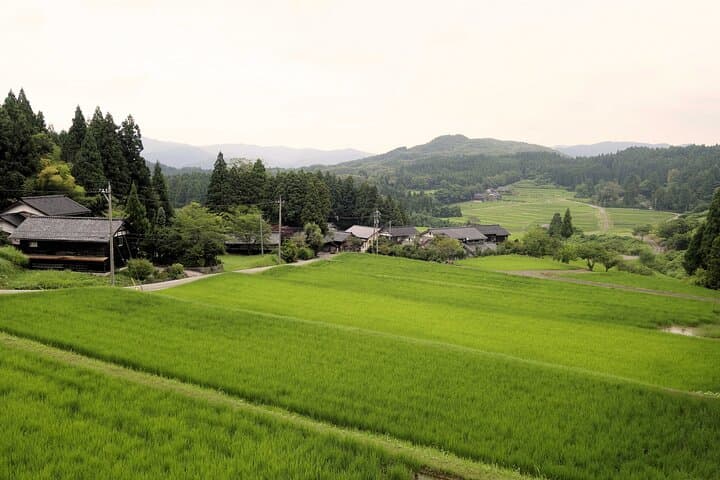
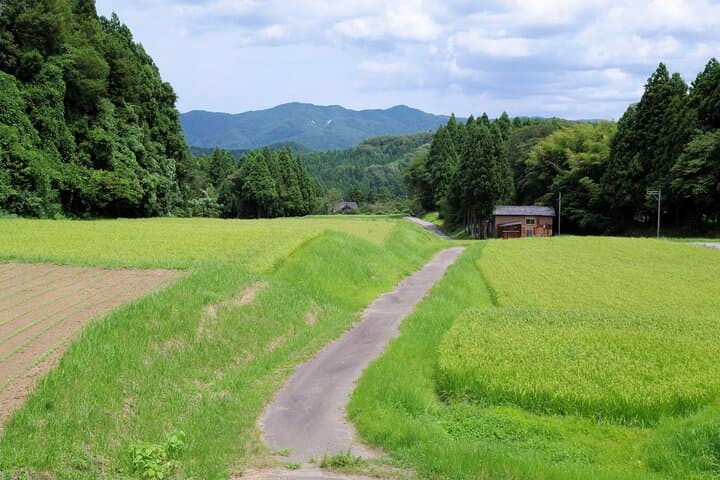
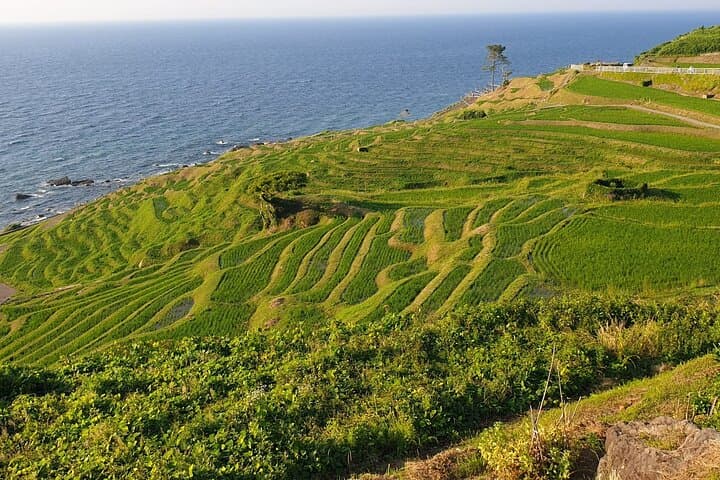
You push off from a small fishing town as the sea exhales salt and gull calls. The road climbs, ribboning along hedgerows and terraced rice paddies, then opens to a steel-blue coastline where capes and bays take turns daring you to look farther.
You push off from a small fishing town as the sea exhales salt and gull calls. The road climbs, ribboning along hedgerows and terraced rice paddies, then opens to a steel-blue coastline where capes and bays take turns daring you to look farther.
The Noto Peninsula is rural Japan at scale: coastal cliffs carved from ancient volcanic and sedimentary rock, centuries-old fishing hamlets, and salt pans that shaped local livelihoods. Wajima’s lacquerware and the traditional salt farms nearby speak to a culture that made a living from wind and tide. Geological folds and narrow mountain passes make this peninsula varied—expect steep, short climbs and long coastal stretches.
A local guide who lives in the Wajima countryside tailors routes (typically 60–80 km) to your interests—temple stops, coastal overlooks, and lane-side cafés serving fresh seafood. Note that roads and access points are changing following the 2024 earthquake; your guide adjusts routes day-to-day.
Practically: arrive with a road-ready bike or reserve an e-bike three days ahead if you want power on climbs. Wear a helmet and padded shorts, carry 2–3 liters of water, and plan energy-rich snacks; food includes a restaurant lunch mid-tour. Start early for cooler air and softer light on ocean views, and be prepared for coastal winds that can change pace within minutes.
This is not a casual ride—expect sustained effort and reward: raw sea vistas, quiet village streets, and a close-up of a landscape where human craft and geology have shaped each other for generations.