THE ADVENTURE COLLECTIVE® · Independent discovery and booking for outdoor travel

Ride the Elora Gorge on a self-guided audio tour that mixes geology, local industry history and riverside scenery. This 2–4 hour route along the Grand River is ideal for riders who bring their own bikes, a smartphone and curiosity.
Ride the Elora Gorge on a self-guided audio tour that mixes geology, local industry history and riverside scenery. This 2–4 hour route along the Grand River is ideal for riders who bring their own bikes, a smartphone and curiosity.
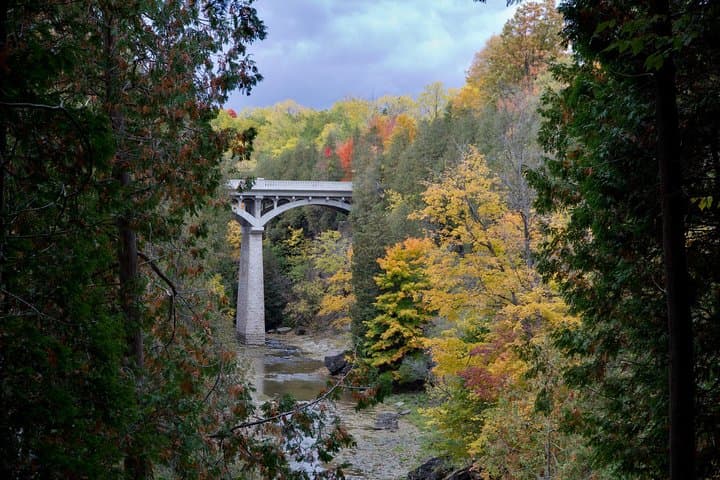
Morning light cuts across the Grand River and the cliffs of Elora loom to your right, the gorge daring your wheels to hug the edge. You start with a hum of rubber on pavement, headphones on, and a local voice guiding you through rock cuts and stone streets—part geology lecture, part neighbourhood story.
Verified experiences and guided adventures in the surrounding area.
Operated by VoiceMap Audio Tours · Elora, Ontario
Morning light cuts across the Grand River and the cliffs of Elora loom to your right, the gorge daring your wheels to hug the edge. You start with a hum of rubber on pavement, headphones on, and a local voice guiding you through rock cuts and stone streets—part geology lecture, part neighbourhood story.
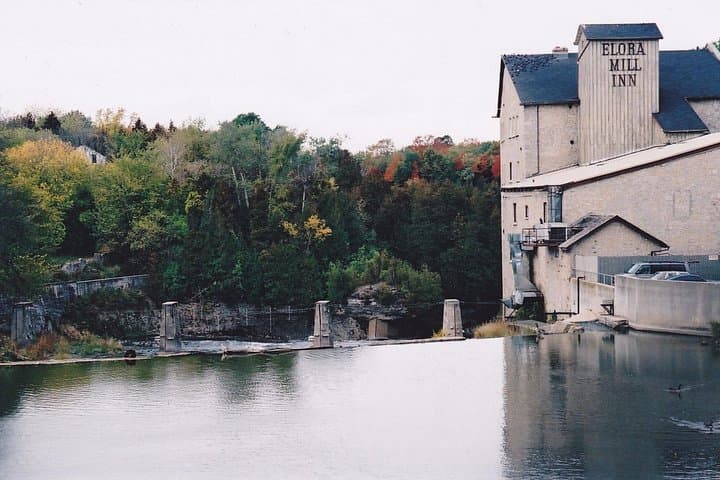
The gorge itself is a product of glacial meltwaters at the end of the last ice age; scoured limestone cliffs and exposed bedrock tell that story. Elora’s downtown grew beside that river power—mills, toy factories and farm-implement shops shaped its 19th- and early-20th-century character. Today, stone storefronts and craftspeople occupy former industrial spaces, and the conservation-minded Grand River authority manages much of the riparian corridor.
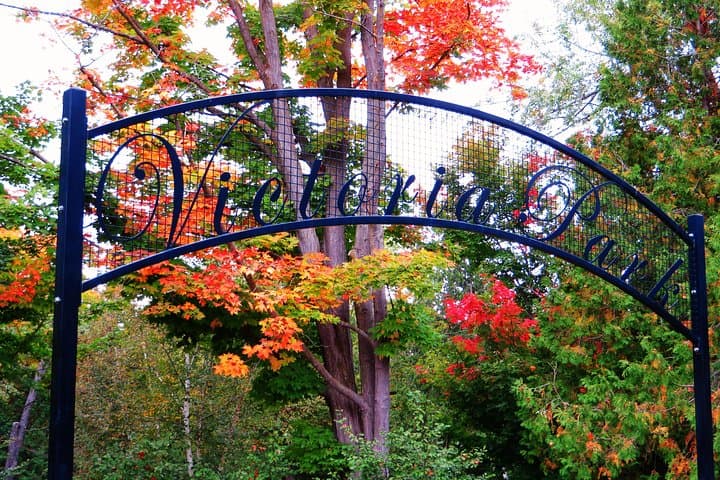
Expect a mixed route: paved sidewalks through town, dedicated bike paths along the river, and short sections of crushed-gravel at the gorge edges. Typical self-guided itineraries take 2–4 hours, covering roughly 15–25 km with modest climbs (100–300 m cumulative). The audio guide points out historic mills, a museum stop, park passages and viewpoints overlooking the rapids.
Practical angle: bring a well-maintained bicycle, a charged smartphone with the VoiceMap app and headphones, and download the route for offline use. Ride defensively—streets are narrow and summer weekends are busy. Time your trip for morning or late afternoon to avoid the midsummer crowds and to catch the light on the limestone walls. Hydrate, lock your bike in town if you stop, and leave no trace: the river’s health depends on considerate visitors.
easy.
2–4 hours.
Suitable for riders of basic fitness who can sustain light to moderate pedaling for several hours; frequent stops make it accessible to most.
Yes — the tour is self-guided and requires you to provide your own bike, helmet and basic repair capability.
Yes — terrain is mostly flat to rolling with short climbs; beginners comfortable with traffic and mixed surfaces should manage fine.
Yes — the audio is yours to pause and replay; stops at the museum and parklet are designed for short walks and photos.
Yes — the VoiceMap download includes offline audio, maps and geodata so you won’t need constant cell service.
Elora grew around water-powered mills and later small-manufacturing shops (toys, farm tools); the river’s power dictated settlement patterns and industry in the 19th century.
The Grand River Conservation Authority manages riparian habitats here; stick to designated trails and pack out waste to protect water quality and nesting areas.
VoiceMap Audio Tours operates guided outdoor trips and adventures with an emphasis on safety, stewardship, and memorable experiences.
Morning light cuts across the Grand River and the cliffs of Elora loom to your right, the gorge daring your wheels to hug the edge. You start with a hum of rubber on pavement, headphones on, and a local voice guiding you through rock cuts and stone streets—part geology lecture, part neighbourhood story.
Morning light cuts across the Grand River and the cliffs of Elora loom to your right, the gorge daring your wheels to hug the edge. You start with a hum of rubber on pavement, headphones on, and a local voice guiding you through rock cuts and stone streets—part geology lecture, part neighbourhood story.
The gorge itself is a product of glacial meltwaters at the end of the last ice age; scoured limestone cliffs and exposed bedrock tell that story. Elora’s downtown grew beside that river power—mills, toy factories and farm-implement shops shaped its 19th- and early-20th-century character. Today, stone storefronts and craftspeople occupy former industrial spaces, and the conservation-minded Grand River authority manages much of the riparian corridor.
Expect a mixed route: paved sidewalks through town, dedicated bike paths along the river, and short sections of crushed-gravel at the gorge edges. Typical self-guided itineraries take 2–4 hours, covering roughly 15–25 km with modest climbs (100–300 m cumulative). The audio guide points out historic mills, a museum stop, park passages and viewpoints overlooking the rapids.
Practical angle: bring a well-maintained bicycle, a charged smartphone with the VoiceMap app and headphones, and download the route for offline use. Ride defensively—streets are narrow and summer weekends are busy. Time your trip for morning or late afternoon to avoid the midsummer crowds and to catch the light on the limestone walls. Hydrate, lock your bike in town if you stop, and leave no trace: the river’s health depends on considerate visitors.