THE ADVENTURE COLLECTIVE® · Independent discovery and booking for outdoor travel

Ride a compact loop through Polonnaruwa’s 12th-century ruins, pass broad irrigation tanks and paddy fields, and stop for a village lunch and toddy tasting. This full-day tour from Sigiriya or Dambulla pairs easy cycling with deep historical context and rural encounters.
Ride a compact loop through Polonnaruwa’s 12th-century ruins, pass broad irrigation tanks and paddy fields, and stop for a village lunch and toddy tasting. This full-day tour from Sigiriya or Dambulla pairs easy cycling with deep historical context and rural encounters.
You set off before the heat settles over the paddy fields: a small convoy of bikes, a local guide, and a ribbon of country road that leads toward stone ruins rising out of scrub and tank water. The air carries rice smoke and the distant call of birds as you roll between centuries-old stupas and the broad sweep of Parakramabahu’s ancient irrigation tank.
Verified experiences and guided adventures in the surrounding area.
Operated by Ceylon Travel Dream · Polonnaruwa, North Central Province
You set off before the heat settles over the paddy fields: a small convoy of bikes, a local guide, and a ribbon of country road that leads toward stone ruins rising out of scrub and tank water. The air carries rice smoke and the distant call of birds as you roll between centuries-old stupas and the broad sweep of Parakramabahu’s ancient irrigation tank.
Polonnaruwa was Sri Lanka’s second capital after Anuradhapura and flourished under King Parakramabahu in the 12th century. The site’s masonry—giant Buddha images carved in situ, monastic platforms, and finished brickwork—shows a city rebuilt from conquest and hydraulic ambition; the great tanks and canals are part geology, part engineering, shaped from Miocene sediments and lateritic soils into functioning reservoirs.
Culturally, the ride threads into village life: a midday rice-and-curry lunch served family-style, a chance to sample toddy in a thatched home, and glimpses of people working rice paddies the same way they have for generations.
Practical guidance: the core loop is roughly 10 km on mostly flat terrain with short stretches of compact dirt and gravel—expect low elevation gain but uneven surfaces. The full outing is an 8–9 hour day including transport from Sigiriya/Dambulla (about 2 hours round trip). Bring a helmet, sun protection, plenty of water, and shoes that handle mud and dust. Pace yourself through ruins and respect restricted areas; the guide handles permits and navigation.
This tour suits riders with basic cycling fitness who want history, open-water views of ancient tanks, and a close-up of rural Sri Lankan life.
moderate.
8–9 hours.
Moderate fitness—comfortable riding 10 km with stop-and-go at historical sites; able to handle short stretches of uneven ground.
The guided loop around the ancient city is roughly 10 km, ridden at a relaxed pace with multiple stops for sites and photos.
No advanced skills required; riders should be comfortable on a standard city or hybrid bike and able to manage short dirt stretches.
This tour typically includes guide services and bikes; check booking details for site admission—some operators include or collect fees separately.
Families with older, confident cyclists can participate, but the operator does not recommend it for very young children or anyone with significant mobility issues.
Polonnaruwa rose to prominence in the 11th–12th centuries after the Chola period; King Parakramabahu I expanded irrigation works that still define the landscape.
The archaeological zone balances tourism with preservation—stay on marked paths and avoid touching carvings; local guides help minimize impact on fragile masonry and ecosystems.
Ceylon Travel Dream operates guided outdoor trips and adventures with an emphasis on safety, stewardship, and memorable experiences.
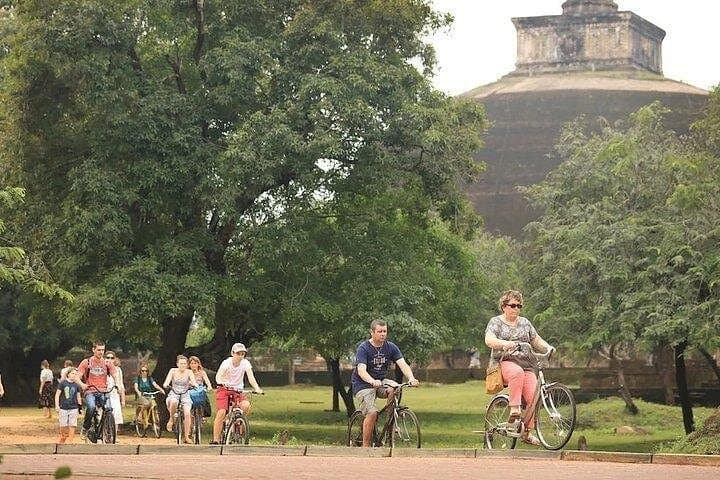
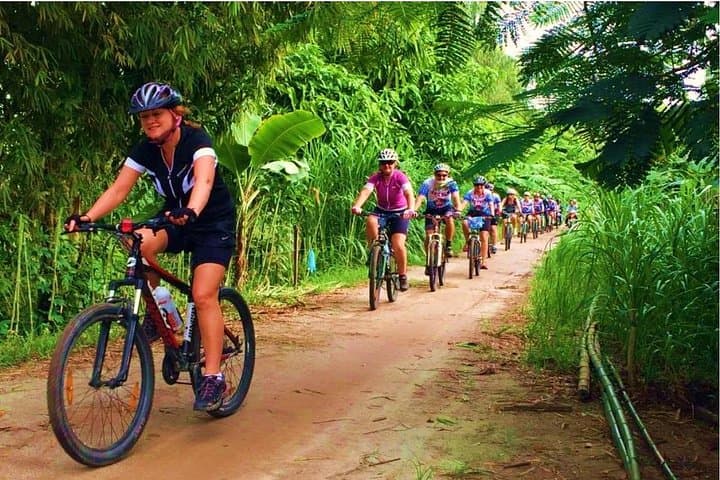
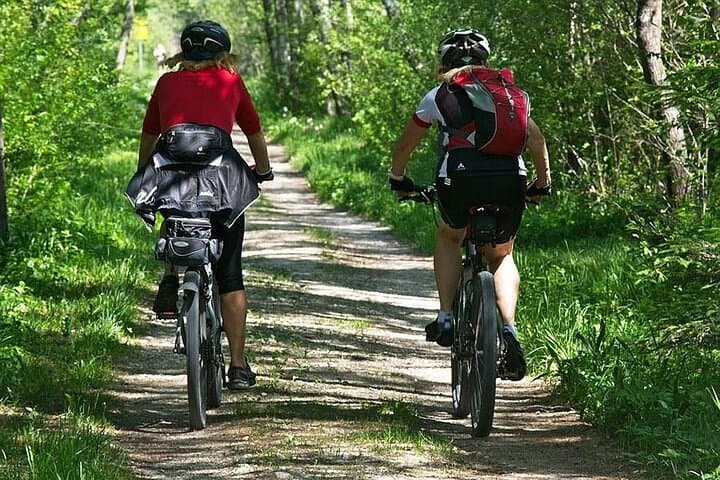
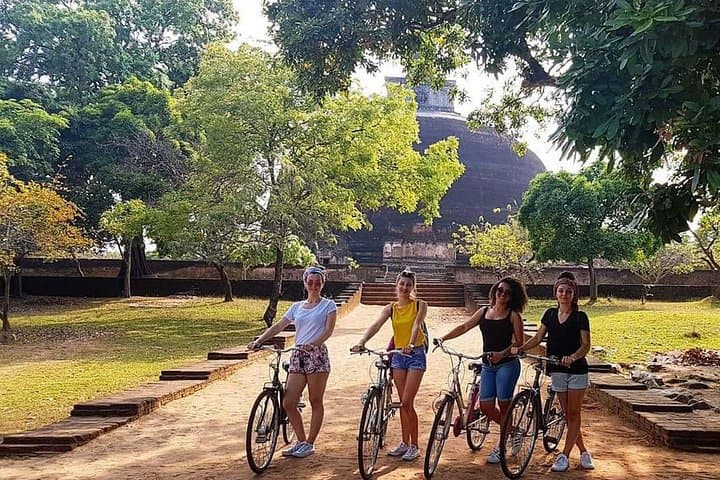
You set off before the heat settles over the paddy fields: a small convoy of bikes, a local guide, and a ribbon of country road that leads toward stone ruins rising out of scrub and tank water. The air carries rice smoke and the distant call of birds as you roll between centuries-old stupas and the broad sweep of Parakramabahu’s ancient irrigation tank.
You set off before the heat settles over the paddy fields: a small convoy of bikes, a local guide, and a ribbon of country road that leads toward stone ruins rising out of scrub and tank water. The air carries rice smoke and the distant call of birds as you roll between centuries-old stupas and the broad sweep of Parakramabahu’s ancient irrigation tank.
Polonnaruwa was Sri Lanka’s second capital after Anuradhapura and flourished under King Parakramabahu in the 12th century. The site’s masonry—giant Buddha images carved in situ, monastic platforms, and finished brickwork—shows a city rebuilt from conquest and hydraulic ambition; the great tanks and canals are part geology, part engineering, shaped from Miocene sediments and lateritic soils into functioning reservoirs.
Culturally, the ride threads into village life: a midday rice-and-curry lunch served family-style, a chance to sample toddy in a thatched home, and glimpses of people working rice paddies the same way they have for generations.
Practical guidance: the core loop is roughly 10 km on mostly flat terrain with short stretches of compact dirt and gravel—expect low elevation gain but uneven surfaces. The full outing is an 8–9 hour day including transport from Sigiriya/Dambulla (about 2 hours round trip). Bring a helmet, sun protection, plenty of water, and shoes that handle mud and dust. Pace yourself through ruins and respect restricted areas; the guide handles permits and navigation.
This tour suits riders with basic cycling fitness who want history, open-water views of ancient tanks, and a close-up of rural Sri Lankan life.