THE ADVENTURE COLLECTIVE® · Independent discovery and booking for outdoor travel

Ride through Sabae’s Kawada district on a lacquered bicycle, visit the Lacquerware Shrine, tour a working workshop, and try your hand at Echizen urushi painting with a master. This private three-hour tour blends easy cycling with an intimate artisan experience.
Ride through Sabae’s Kawada district on a lacquered bicycle, visit the Lacquerware Shrine, tour a working workshop, and try your hand at Echizen urushi painting with a master. This private three-hour tour blends easy cycling with an intimate artisan experience.
The morning light on Kawada’s streets picks out the soft sheen of lacquered surfaces as you mount an Urushi-decorated bicycle and push off beneath low cedar eaves. Pedaling past compact workshops and tiled roofs, the river’s skittering current seems to dare you forward; every turn reveals a new lacquered sign or a shop window glossed by centuries of craft.
Verified experiences and guided adventures in the surrounding area.
Operated by Craft Invitation · Sabae, Fukui Prefecture
The morning light on Kawada’s streets picks out the soft sheen of lacquered surfaces as you mount an Urushi-decorated bicycle and push off beneath low cedar eaves. Pedaling past compact workshops and tiled roofs, the river’s skittering current seems to dare you forward; every turn reveals a new lacquered sign or a shop window glossed by centuries of craft.
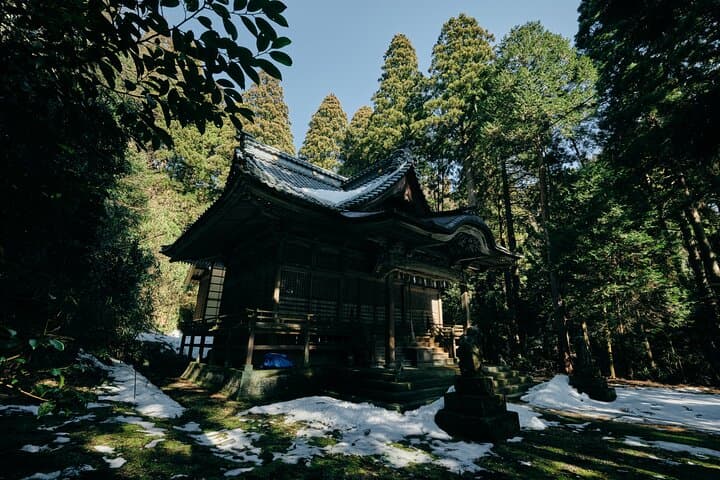
Echizen lacquer has been worked in this region for more than a thousand years, and Sabae’s Kawada district keeps those methods alive alongside the modern eyewear industry the city is known for. Geologically the area sits on gentle plains fed by small tributaries from the hills to the west, making for easy cycling and clear sightlines to shrine steps and workshop facades. Culturally, lacquer work blends ritual—seen at the Lacquerware Shrine—with meticulous studio craft: layers of urushi sap, careful sanding, and maki-e gold dust produce the final shine.
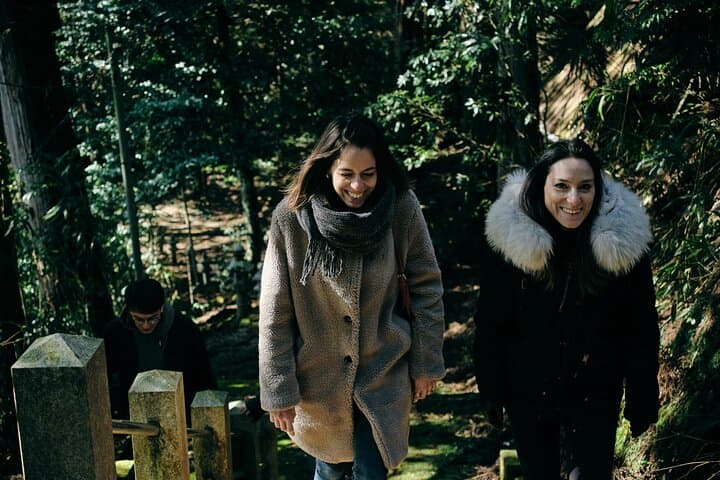
The tour combines short shrine visits and a guided factory walk with a hands-on painting session led by an experienced artisan; expect close-up demonstrations and the chance to apply lacquer under supervision. Practical points: routes are on quiet streets with one 200-step staircase at Shikiyama Shrine, so bring steady footwear. Helmets and lacquer bikes are provided, but wear clothes you don’t mind a tiny splash on. Hydrate and allow three hours for the full private experience; the rhythm is relaxed, but hands-on work demands attention and a light, steady touch.
moderate.
3 hours.
Participants should have moderate fitness—able to cycle short distances on flat roads and climb ~200 steps.
Yes — the tour supplies Urushi-decorated bicycles and helmets as part of the booking.
No — the workshop includes instruction from a craftsman and is suitable for beginners, though steady hands help.
The experience is private and can accommodate older children with biking ability; check age requirements with the operator before booking.
Sabae is accessible by local train from Fukui or via regional buses; public transport options are available nearby the Kawada district.
Kawada’s lacquer tradition stretches back centuries; the district preserves urushi techniques that evolved alongside local trades such as Sabae’s eyeglass frame manufacturing.
Respect studio rules—avoid touching unfinished pieces and follow guide instructions; supporting local artisans helps sustain traditional methods and responsible sourcing of urushi sap.
Craft Invitation operates guided outdoor trips and adventures with an emphasis on safety, stewardship, and memorable experiences.
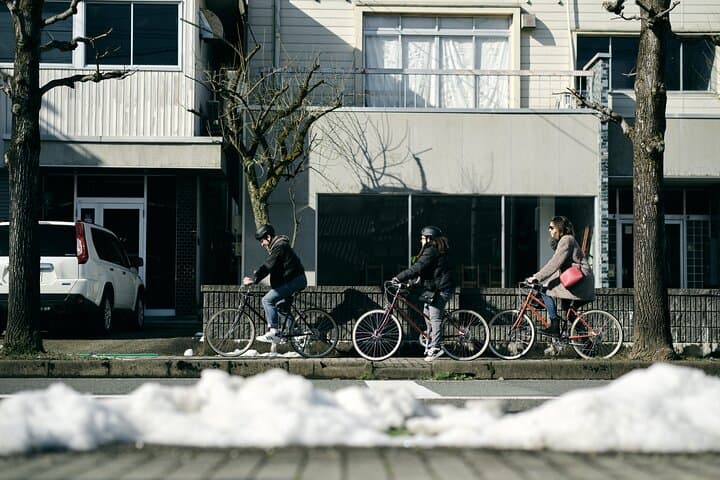
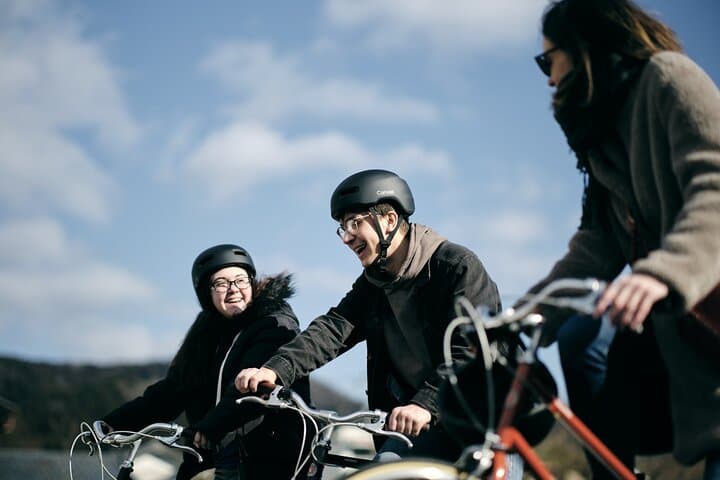
The morning light on Kawada’s streets picks out the soft sheen of lacquered surfaces as you mount an Urushi-decorated bicycle and push off beneath low cedar eaves. Pedaling past compact workshops and tiled roofs, the river’s skittering current seems to dare you forward; every turn reveals a new lacquered sign or a shop window glossed by centuries of craft.
The morning light on Kawada’s streets picks out the soft sheen of lacquered surfaces as you mount an Urushi-decorated bicycle and push off beneath low cedar eaves. Pedaling past compact workshops and tiled roofs, the river’s skittering current seems to dare you forward; every turn reveals a new lacquered sign or a shop window glossed by centuries of craft.
Echizen lacquer has been worked in this region for more than a thousand years, and Sabae’s Kawada district keeps those methods alive alongside the modern eyewear industry the city is known for. Geologically the area sits on gentle plains fed by small tributaries from the hills to the west, making for easy cycling and clear sightlines to shrine steps and workshop facades. Culturally, lacquer work blends ritual—seen at the Lacquerware Shrine—with meticulous studio craft: layers of urushi sap, careful sanding, and maki-e gold dust produce the final shine.
The tour combines short shrine visits and a guided factory walk with a hands-on painting session led by an experienced artisan; expect close-up demonstrations and the chance to apply lacquer under supervision. Practical points: routes are on quiet streets with one 200-step staircase at Shikiyama Shrine, so bring steady footwear. Helmets and lacquer bikes are provided, but wear clothes you don’t mind a tiny splash on. Hydrate and allow three hours for the full private experience; the rhythm is relaxed, but hands-on work demands attention and a light, steady touch.