THE ADVENTURE COLLECTIVE® · Independent discovery and booking for outdoor travel

Bike through Kurashiki’s preserved Bikan Quarter and follow the Kurashiki River to Sakazu Reservoir, stopping at a traditional pottery workshop and sites tied to the city’s textile past. A gentle guided ride combining history, local craft, and waterside scenes.
Bike through Kurashiki’s preserved Bikan Quarter and follow the Kurashiki River to Sakazu Reservoir, stopping at a traditional pottery workshop and sites tied to the city’s textile past. A gentle guided ride combining history, local craft, and waterside scenes.
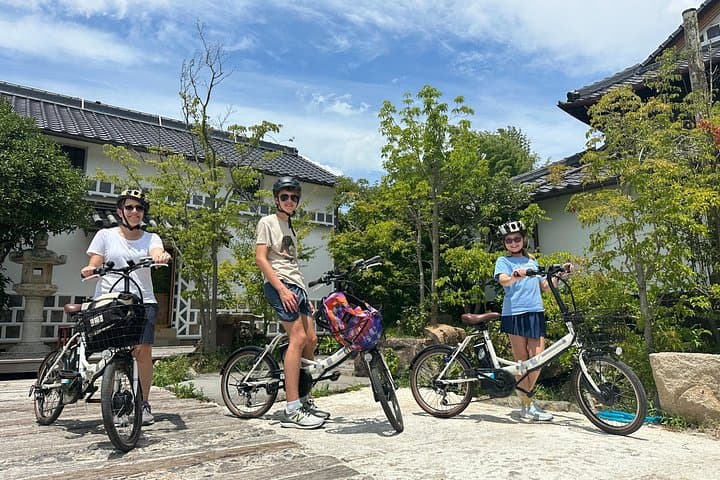
You start beside a narrow canal where stone warehouses stare back across the water, wooden shutters half-open to let in the same light merchants saw centuries ago. The guide hands you a helmet and a map; the click of gears replaces the river's old clatter as you push off and follow the Kurashiki River upstream.
Verified experiences and guided adventures in the surrounding area.
Operated by TAKAHASHIGAWA TRAVEL · Kurashiki, Okayama
You start beside a narrow canal where stone warehouses stare back across the water, wooden shutters half-open to let in the same light merchants saw centuries ago. The guide hands you a helmet and a map; the click of gears replaces the river's old clatter as you push off and follow the Kurashiki River upstream.
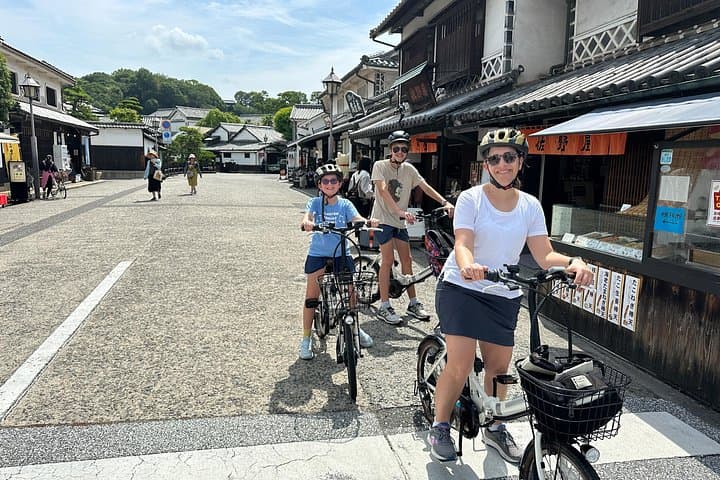
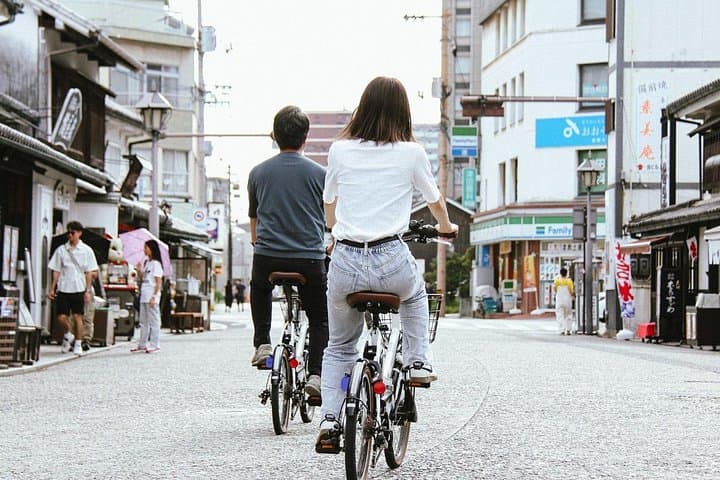
Kurashiki grew as a transportation and textile hub in the Edo and Meiji periods. The Bikan Historical Quarter still shows the grid of merchant stores and former spinning mills; parts of the river were later culverted as industry and roads changed the town’s shape. Cycling here stitches together visible heritage—white-walled kura, old bridges, and narrow alleys—with quieter places where irrigation canals and ponds supplied clay and kilns at Sakazu.
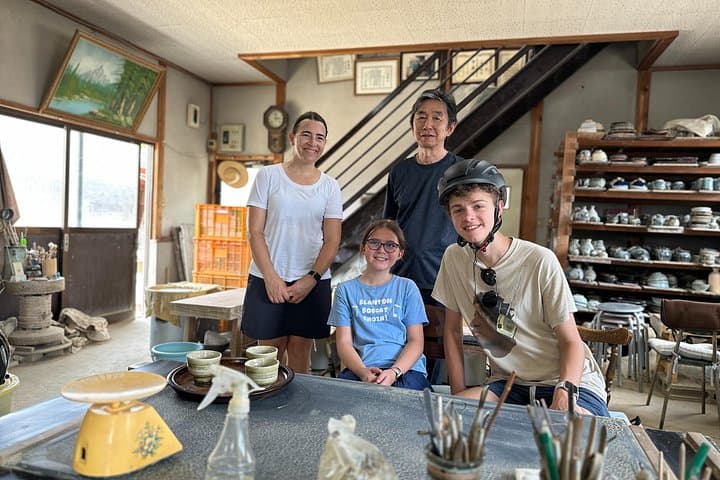
The route to Sakazu Reservoir is roughly 3 kilometers of flat, mixed pavement and canal-side paths, punctuated by short stretches of cobblestone and light road crossings. Highlights include a riverside swan colony, the Sakazuyaki Kamamoto workshop where a sixth-generation potter explains local ceramics, and views into neighborhoods that once powered Japan’s textile boom.
Practical notes: allow 3.5–4 hours for the guided loop including stops; bring cash for small cafés and pottery purchases; wear closed-toe shoes and a light rain shell in changeable weather. Expect steady, easy pedaling but enough on- and off-road transitions that basic bike-handling confidence helps. The tour blends cultural interpretation with relaxed cycling—ideal for travelers who want history on two wheels rather than a strenuous ride.
moderate.
3.5–4 hours.
Moderate—comfortable on a bicycle for a few hours with some starts, stops, and short uneven surfaces.
The round-trip to Sakazu Reservoir is about 6 kilometers total including in-quarter riding and stops; expect leisurely pace with photo and museum stops.
Yes—rental bicycles are included; specify height when booking as the operator recommends children be at least 140 cm tall to ride independently.
Children who meet the height guideline and people with basic cycling ability can participate; the guide manages pace and route through town.
Tours are typically led in English and Japanese, but confirm at booking for specific language support.
Kurashiki flourished as a transport and textile center from the Edo through Meiji eras; warehouses and former spinning mills shaped the town’s economy and built environment.
The Bikan Quarter is protected for historic preservation—visitors are asked to respect private property, stay on paths, and avoid littering to help maintain fragile canal banks and old wooden structures.
TAKAHASHIGAWA TRAVEL operates guided outdoor trips and adventures with an emphasis on safety, stewardship, and memorable experiences.
You start beside a narrow canal where stone warehouses stare back across the water, wooden shutters half-open to let in the same light merchants saw centuries ago. The guide hands you a helmet and a map; the click of gears replaces the river's old clatter as you push off and follow the Kurashiki River upstream.
You start beside a narrow canal where stone warehouses stare back across the water, wooden shutters half-open to let in the same light merchants saw centuries ago. The guide hands you a helmet and a map; the click of gears replaces the river's old clatter as you push off and follow the Kurashiki River upstream.
Kurashiki grew as a transportation and textile hub in the Edo and Meiji periods. The Bikan Historical Quarter still shows the grid of merchant stores and former spinning mills; parts of the river were later culverted as industry and roads changed the town’s shape. Cycling here stitches together visible heritage—white-walled kura, old bridges, and narrow alleys—with quieter places where irrigation canals and ponds supplied clay and kilns at Sakazu.
The route to Sakazu Reservoir is roughly 3 kilometers of flat, mixed pavement and canal-side paths, punctuated by short stretches of cobblestone and light road crossings. Highlights include a riverside swan colony, the Sakazuyaki Kamamoto workshop where a sixth-generation potter explains local ceramics, and views into neighborhoods that once powered Japan’s textile boom.
Practical notes: allow 3.5–4 hours for the guided loop including stops; bring cash for small cafés and pottery purchases; wear closed-toe shoes and a light rain shell in changeable weather. Expect steady, easy pedaling but enough on- and off-road transitions that basic bike-handling confidence helps. The tour blends cultural interpretation with relaxed cycling—ideal for travelers who want history on two wheels rather than a strenuous ride.