THE ADVENTURE COLLECTIVE® · Independent discovery and booking for outdoor travel

Cover Dublin’s Viking quays, Georgian crescents, and literary landmarks on a relaxed 2.5-hour guided bike or e‑bike tour. Helmets and reflective vests are provided—expect urban lanes, cobbles, and plenty of local stories.
Cover Dublin’s Viking quays, Georgian crescents, and literary landmarks on a relaxed 2.5-hour guided bike or e‑bike tour. Helmets and reflective vests are provided—expect urban lanes, cobbles, and plenty of local stories.
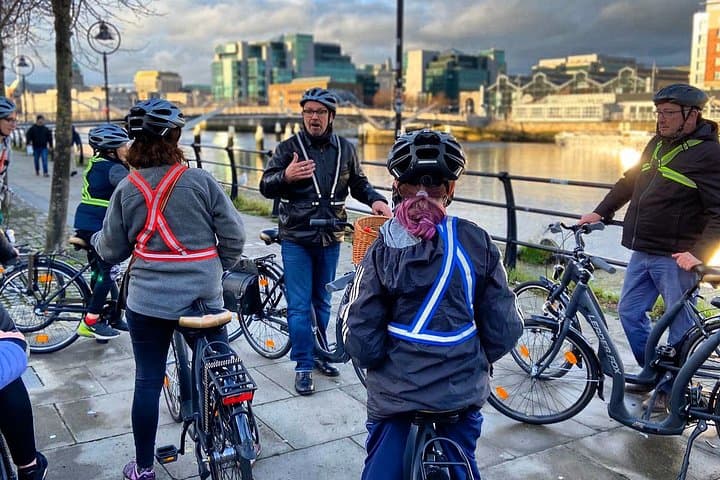
You wheel away from the River Liffey as gulls wheel overhead and the city’s stone façades lean in like old friends. The tour threads quiet canals, Georgian squares, and the cobbled approaches to Trinity College, carrying you past the layered chapters of Dublin’s history at a relaxed, social pace.
Verified experiences and guided adventures in the surrounding area.
Operated by Cycle Dublin - Bike & E-bike Tours · Dublin, County Dublin
You wheel away from the River Liffey as gulls wheel overhead and the city’s stone façades lean in like old friends. The tour threads quiet canals, Georgian squares, and the cobbled approaches to Trinity College, carrying you past the layered chapters of Dublin’s history at a relaxed, social pace.
Dublin’s streets are a living map: Viking quays along the Liffey, Norman footprints in the castle precinct, and Georgian crescents where 18th-century lords and ladies once promenaded. Literary ghosts — Joyce, Swift, and Wilde — surface between pubs and plaques; later, the city’s musical pulse from The Dubliners to U2 pops up in alleys and venues. Geologically modest, Dublin sits on sandstone and glacial till; the route is mostly flat with occasional raised cobbles that remind you this is an old port city, not a purpose-built bike park.
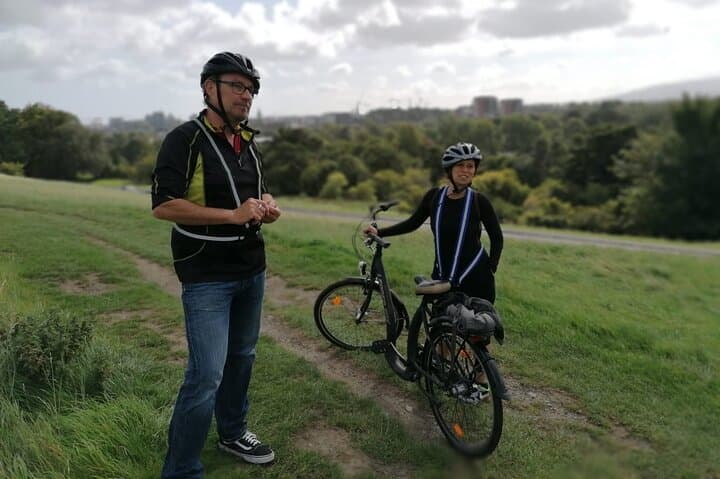
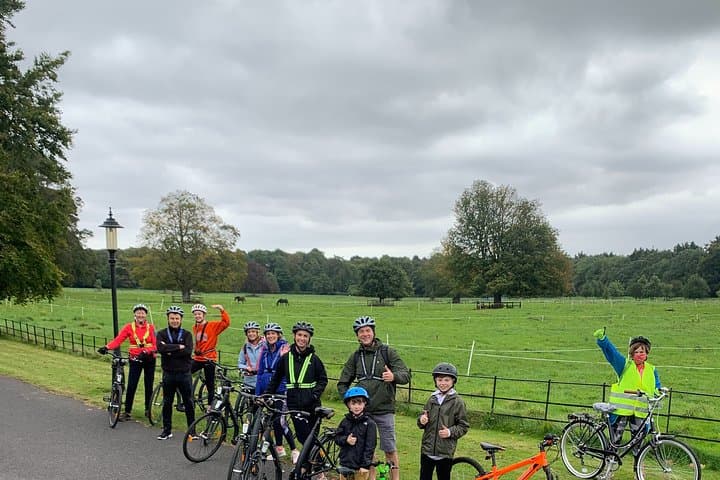
Expect urban terrain: bike lanes, shared streets, and short cobble sections. Guides supply cycles, helmets and reflective belts; routes favor safety and sightseeing rather than speed. Moderate fitness and basic bike-handling skills make this accessible to most riders; families and older cyclists commonly join.
Practical pointers: dress for changeable Irish weather, layer, and bring a small waterproof. Start mid-morning to catch markets and quieter streets, or take an evening ride to feel the city shift as lights come on. Carry a charged phone for navigation and photos, and leave room in your schedule to linger at a café—the guide can point out tucked-away stops. This is an efficient, eco-friendly way to cover ground, learn the stories behind the stones, and feel the city under your wheels.
moderate.
2–3 hours.
Moderate fitness; comfortable with 2–3 hours of light cycling and basic bike-handling on urban streets.
Yes—helmets and reflective vests are supplied for all participants and are required during the tour.
Yes—e‑bikes are available and commonly used; guides will explain operation and safety before departure.
The tour is family-friendly for older children comfortable on bikes; very young children may not be appropriate due to road crossings and pace.
Tours may be canceled in heavy rain or unsafe conditions—check the operator’s cancellation policy and bring layers to adapt to light rain.
Dublin grew from a Viking trading post into a Georgian administrative center; many street names and squares preserve those eras.
Ride operators encourage low-impact travel—stick to bike lanes, avoid littering, and support local businesses to keep tourist pressure sustainable.
Cycle Dublin - Bike & E-bike Tours operates guided outdoor trips and adventures with an emphasis on safety, stewardship, and memorable experiences.

You wheel away from the River Liffey as gulls wheel overhead and the city’s stone façades lean in like old friends. The tour threads quiet canals, Georgian squares, and the cobbled approaches to Trinity College, carrying you past the layered chapters of Dublin’s history at a relaxed, social pace.
You wheel away from the River Liffey as gulls wheel overhead and the city’s stone façades lean in like old friends. The tour threads quiet canals, Georgian squares, and the cobbled approaches to Trinity College, carrying you past the layered chapters of Dublin’s history at a relaxed, social pace.
Dublin’s streets are a living map: Viking quays along the Liffey, Norman footprints in the castle precinct, and Georgian crescents where 18th-century lords and ladies once promenaded. Literary ghosts — Joyce, Swift, and Wilde — surface between pubs and plaques; later, the city’s musical pulse from The Dubliners to U2 pops up in alleys and venues. Geologically modest, Dublin sits on sandstone and glacial till; the route is mostly flat with occasional raised cobbles that remind you this is an old port city, not a purpose-built bike park.
Expect urban terrain: bike lanes, shared streets, and short cobble sections. Guides supply cycles, helmets and reflective belts; routes favor safety and sightseeing rather than speed. Moderate fitness and basic bike-handling skills make this accessible to most riders; families and older cyclists commonly join.
Practical pointers: dress for changeable Irish weather, layer, and bring a small waterproof. Start mid-morning to catch markets and quieter streets, or take an evening ride to feel the city shift as lights come on. Carry a charged phone for navigation and photos, and leave room in your schedule to linger at a café—the guide can point out tucked-away stops. This is an efficient, eco-friendly way to cover ground, learn the stories behind the stones, and feel the city under your wheels.