THE ADVENTURE COLLECTIVE® · Independent discovery and booking for outdoor travel

Escape Yangon for a full-day, 60 km bike ride across riverfront villages, paddy fields and potters’ workshops between Dala and Twantay. Expect ferry crossings, mixed dirt-and-paved terrain, and authentic riverside culture with a sunset boat return.
Escape Yangon for a full-day, 60 km bike ride across riverfront villages, paddy fields and potters’ workshops between Dala and Twantay. Expect ferry crossings, mixed dirt-and-paved terrain, and authentic riverside culture with a sunset boat return.
You step off the Yangon river ferry as the hull bumps the Dala jetty and the city’s noise peels away—muddy waterways, low wooden houses, and a ribbon of road that invites a day of pedaling. Wind from the river pushes at your back; rice paddies open like pages on either side, and the occasional temple bell rolls across the fields.
Verified experiences and guided adventures in the surrounding area.
Operated by Asian Tour Myanmar · Yangon, Yangon Region
You step off the Yangon river ferry as the hull bumps the Dala jetty and the city’s noise peels away—muddy waterways, low wooden houses, and a ribbon of road that invites a day of pedaling. Wind from the river pushes at your back; rice paddies open like pages on either side, and the occasional temple bell rolls across the fields.
This route traces a living edge of the Yangon River delta. Geologically the landscape is young alluvium—flat, fertile ground cut by canals and creeks that have shaped local transport and livelihoods for generations. Twantay is known for its pottery tradition, river trade and small pagodas such as Baung Taw Gyoke that rise from ponded water, relics of community devotion anchored in a watery plain.
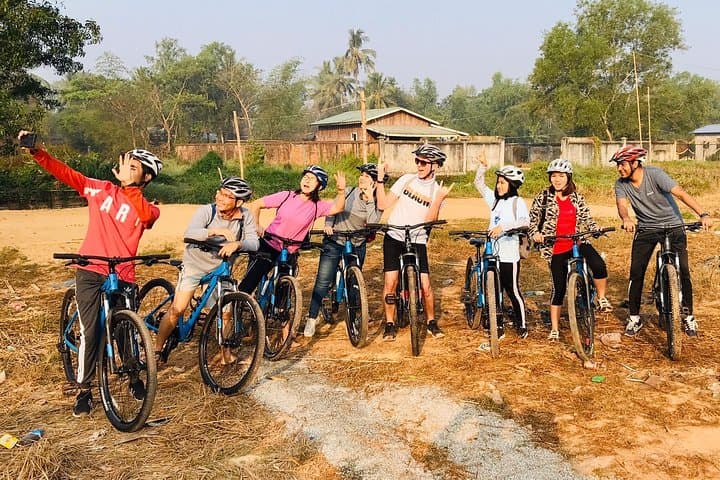
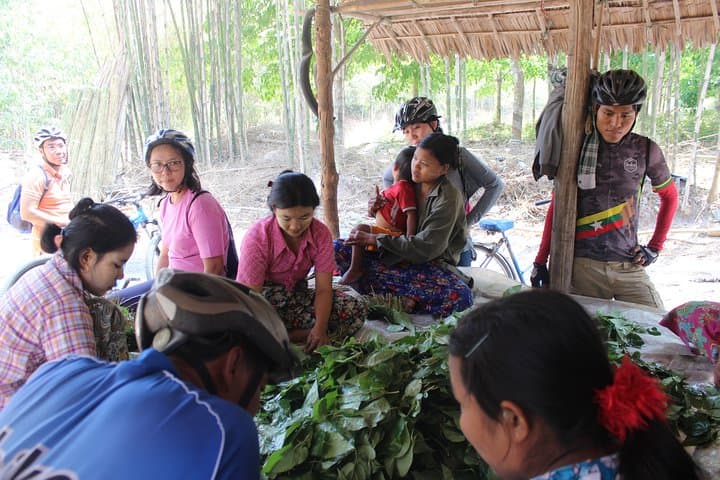
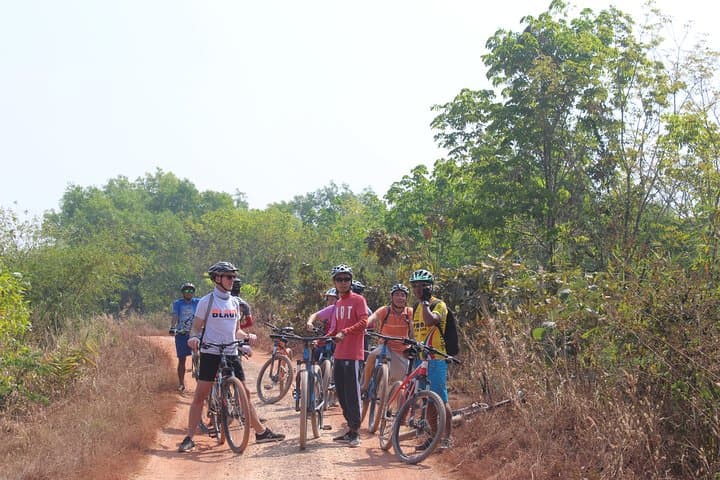
Expect a full-day ride: roughly 60 km of mixed paved and compact dirt roads with short easy climbs and a few undulating sections—nothing technical but endurance matters. You’ll cross by local ferry and small boats, pass potters’ workshops, a recycle-souvenir stall, village schools and open lakes. Guides handle logistics and route-finding; lunch and snacks are usually at small local eateries (pay on site).
Practical edge: plan a 7–8 hour day, carry 2–3 liters of water, puncture kit and sun protection, and wear a helmet and comfortable shoes. Mornings are cooler and the late-afternoon river crossing can produce an unforgettable sunset, so time your return to catch light on the water. Be prepared to slow down, ask before photographing residents, and support local vendors—this ride is as much a cultural passage as it is a cycling challenge.
challenging.
7–8 hours.
Moderate to strong endurance—regular cyclists will be comfortable; occasional riders should prepare for long distance.
Local ferry and small boat crossings used on the route are part of the itinerary; boarding is arranged by the guide.
You should have moderate to strong endurance for 60 km with short rolling hills—regular cyclists will find it manageable.
Yes—professional mountain bikes are provided (one per person); confirm size and helmet when booking.
Beginner cyclists may struggle with the distance; consider training rides beforehand or inquire about shorter options.
Twantay has long been a riverside craft and trading hub—its pottery tradition supplies much of Yangon’s ceramic wares and reflects the township’s link to the delta’s river economy.
The river delta is ecologically sensitive; avoid single-use plastics, stay on established tracks, and support local businesses to keep tourism sustainable.
Asian Tour Myanmar operates guided outdoor trips and adventures with an emphasis on safety, stewardship, and memorable experiences.
You step off the Yangon river ferry as the hull bumps the Dala jetty and the city’s noise peels away—muddy waterways, low wooden houses, and a ribbon of road that invites a day of pedaling. Wind from the river pushes at your back; rice paddies open like pages on either side, and the occasional temple bell rolls across the fields.
You step off the Yangon river ferry as the hull bumps the Dala jetty and the city’s noise peels away—muddy waterways, low wooden houses, and a ribbon of road that invites a day of pedaling. Wind from the river pushes at your back; rice paddies open like pages on either side, and the occasional temple bell rolls across the fields.
This route traces a living edge of the Yangon River delta. Geologically the landscape is young alluvium—flat, fertile ground cut by canals and creeks that have shaped local transport and livelihoods for generations. Twantay is known for its pottery tradition, river trade and small pagodas such as Baung Taw Gyoke that rise from ponded water, relics of community devotion anchored in a watery plain.
Expect a full-day ride: roughly 60 km of mixed paved and compact dirt roads with short easy climbs and a few undulating sections—nothing technical but endurance matters. You’ll cross by local ferry and small boats, pass potters’ workshops, a recycle-souvenir stall, village schools and open lakes. Guides handle logistics and route-finding; lunch and snacks are usually at small local eateries (pay on site).
Practical edge: plan a 7–8 hour day, carry 2–3 liters of water, puncture kit and sun protection, and wear a helmet and comfortable shoes. Mornings are cooler and the late-afternoon river crossing can produce an unforgettable sunset, so time your return to catch light on the water. Be prepared to slow down, ask before photographing residents, and support local vendors—this ride is as much a cultural passage as it is a cycling challenge.