THE ADVENTURE COLLECTIVE® · Independent discovery and booking for outdoor travel

Ride an e-bike through Asuka’s low hills and ancient kofun on a three-hour guided loop that connects burial mounds, early temples, and mural exhibits. This compact tour pairs quiet country lanes with expert context—ideal for first-time visitors to Japan’s Asuka period sites.
Ride an e-bike through Asuka’s low hills and ancient kofun on a three-hour guided loop that connects burial mounds, early temples, and mural exhibits. This compact tour pairs quiet country lanes with expert context—ideal for first-time visitors to Japan’s Asuka period sites.
You coast out of a small village onto a quiet country lane, the e-bike humming beneath you while rice paddies and low, wooded ridges move past like pages in a history book. Wind cuts through bamboo and the air carries faint incense from a nearby temple; ahead, low earth mounds and exposed stone promise stories that survive in the ground.
Verified experiences and guided adventures in the surrounding area.
Operated by Discover Asuka’s Wonders · Asuka, Nara Prefecture
You coast out of a small village onto a quiet country lane, the e-bike humming beneath you while rice paddies and low, wooded ridges move past like pages in a history book. Wind cuts through bamboo and the air carries faint incense from a nearby temple; ahead, low earth mounds and exposed stone promise stories that survive in the ground.
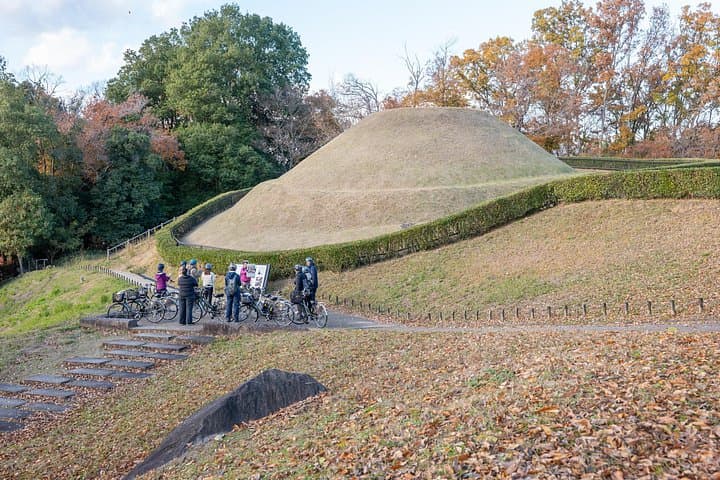
This three-hour guided loop moves through Asuka and the surrounding early-capital landscapes where the Asuka period (6th–8th century) shaped Japan’s political and religious identity. The route passes kofun—keyhole-shaped burial mounds and large stone chambers—alongside temples tied to the first state-sponsored Buddhism and reconstructed wall-painting exhibits that reveal ancient aesthetics. Geologically, you’ll notice the region’s bedrock outcrops and quarried stones used in monumental tomb construction; culturally, small village lanes and farmhouses testify to centuries of rural continuity.
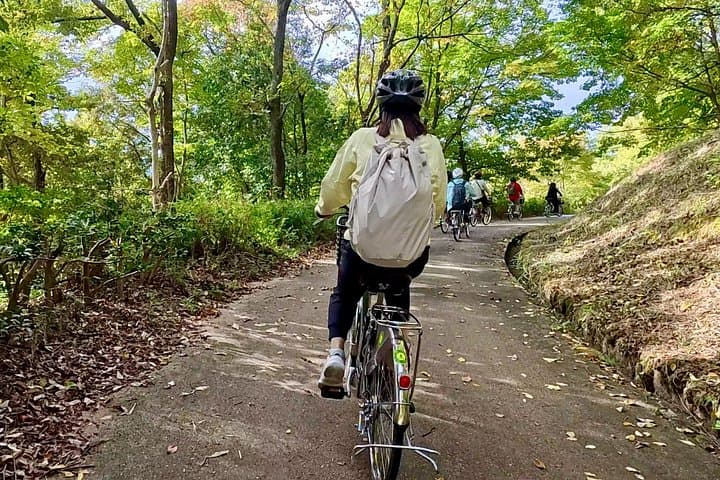
Expect mostly paved roads with short gravel sections and gentle rolling hills; the electric-assist makes 10–15 km feel brisk but unstrenuous, with total elevation change modest (roughly 100–200 m). Guides stop at key viewpoints and museums, sharing archaeological context and local lore.
Practical edge: bring a charged phone for photos, a compact rain layer, and enough water for three hours. Mornings offer the best light and quieter roads; avoid stepping onto protected sites or climbing on tomb stones. This tour is a compact, friendly way to trace Japan’s beginnings by pedal—fast enough to cover territory, slow enough to listen to stone and wind.
easy.
3 hours.
Basic level of fitness is sufficient; the e-bike assist reduces sustained effort but you should be comfortable sitting and pedaling for up to three hours.
Yes—electric bicycles are included and provided by the operator as part of the tour package.
The tour is rated easy and suitable for most fitness levels; check operator age/height requirements and reserve accordingly.
The itinerary includes stops with admission (museum exhibits and certain temple areas) while some historic sites are viewed from outside to protect them.
The operator typically cancels for bad weather; full refunds are usually available if canceled at least 24 hours before departure.
Asuka was central to the Asuka period (6th–8th century), when Buddhism and centralized governance began reshaping Japan; many kofun and temple sites date to this formative era.
Sites are culturally protected—stay on paths, avoid touching wall paintings or stones, and support local businesses to help preserve village landscapes.
Discover Asuka’s Wonders operates guided outdoor trips and adventures with an emphasis on safety, stewardship, and memorable experiences.

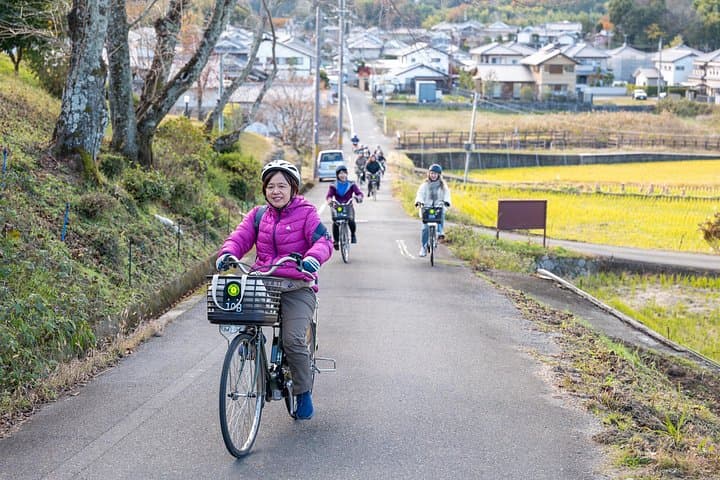
You coast out of a small village onto a quiet country lane, the e-bike humming beneath you while rice paddies and low, wooded ridges move past like pages in a history book. Wind cuts through bamboo and the air carries faint incense from a nearby temple; ahead, low earth mounds and exposed stone promise stories that survive in the ground.
You coast out of a small village onto a quiet country lane, the e-bike humming beneath you while rice paddies and low, wooded ridges move past like pages in a history book. Wind cuts through bamboo and the air carries faint incense from a nearby temple; ahead, low earth mounds and exposed stone promise stories that survive in the ground.
This three-hour guided loop moves through Asuka and the surrounding early-capital landscapes where the Asuka period (6th–8th century) shaped Japan’s political and religious identity. The route passes kofun—keyhole-shaped burial mounds and large stone chambers—alongside temples tied to the first state-sponsored Buddhism and reconstructed wall-painting exhibits that reveal ancient aesthetics. Geologically, you’ll notice the region’s bedrock outcrops and quarried stones used in monumental tomb construction; culturally, small village lanes and farmhouses testify to centuries of rural continuity.
Expect mostly paved roads with short gravel sections and gentle rolling hills; the electric-assist makes 10–15 km feel brisk but unstrenuous, with total elevation change modest (roughly 100–200 m). Guides stop at key viewpoints and museums, sharing archaeological context and local lore.
Practical edge: bring a charged phone for photos, a compact rain layer, and enough water for three hours. Mornings offer the best light and quieter roads; avoid stepping onto protected sites or climbing on tomb stones. This tour is a compact, friendly way to trace Japan’s beginnings by pedal—fast enough to cover territory, slow enough to listen to stone and wind.