THE ADVENTURE COLLECTIVE® · Independent discovery and booking for outdoor travel

Swap crowded circuits for quiet lanes on a full‑day cycle through Angkor’s lesser‑seen temples. This guided 20–30km ride mixes jungle trails, classic Khmer architecture and a riverside lunch—e‑bikes available to make the distance manageable.
Swap crowded circuits for quiet lanes on a full‑day cycle through Angkor’s lesser‑seen temples. This guided 20–30km ride mixes jungle trails, classic Khmer architecture and a riverside lunch—e‑bikes available to make the distance manageable.
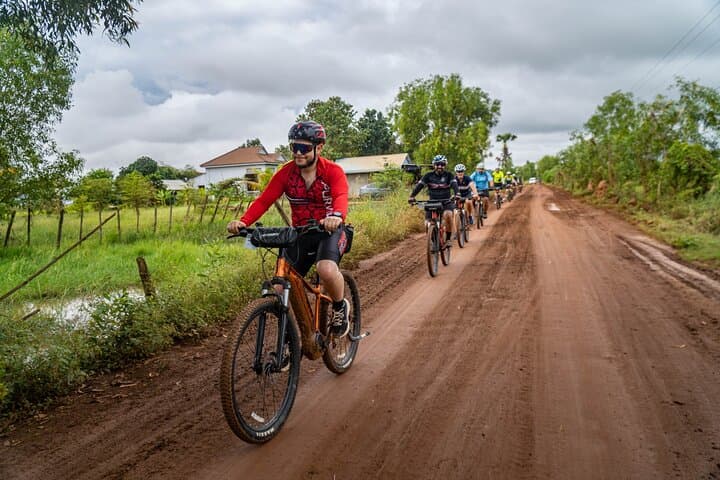
The morning air here smells of damp earth and frying garlic; a chorus of birds edges the road as cyclists push off from Siem Reap into fields and shaded tracks. Pedals whisper on hard-packed dirt while temple towers appear and vanish between palms—each turn pulls you deeper into the quieter side of Angkor.
Verified experiences and guided adventures in the surrounding area.
Operated by Siem Reaper Travel - Phnom Penh Day Tours · Siem Reap, Siem Reap Province
The morning air here smells of damp earth and frying garlic; a chorus of birds edges the road as cyclists push off from Siem Reap into fields and shaded tracks. Pedals whisper on hard-packed dirt while temple towers appear and vanish between palms—each turn pulls you deeper into the quieter side of Angkor.
These backroads trace routes used for centuries, skirting the Khmer Empire’s grand monuments built in the 9th–13th centuries. Angkor Wat and Angkor Thom anchor the landscape geologically on low, seasonally flooded plains of the Tonlé Sap basin; laterite and sandstone sculptures weather under equatorial sun and monsoon rains, giving each carving a lived-in face. Local villages keep traditional crafts and rice farming alive, and a guide will translate gestures, meals and Khmer stories into context as you ride.
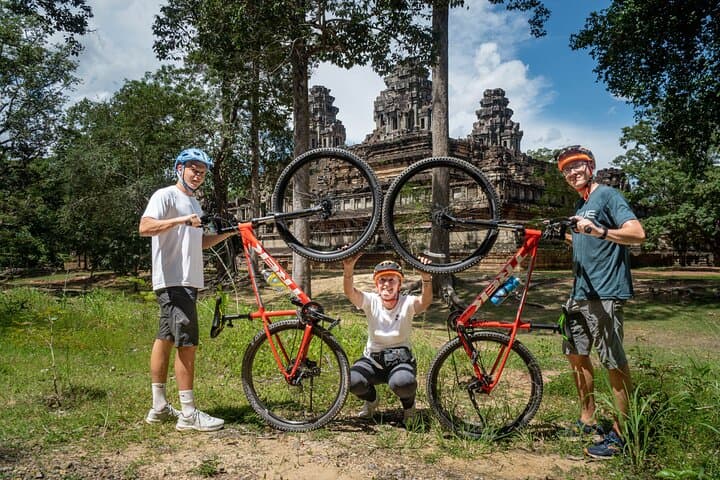
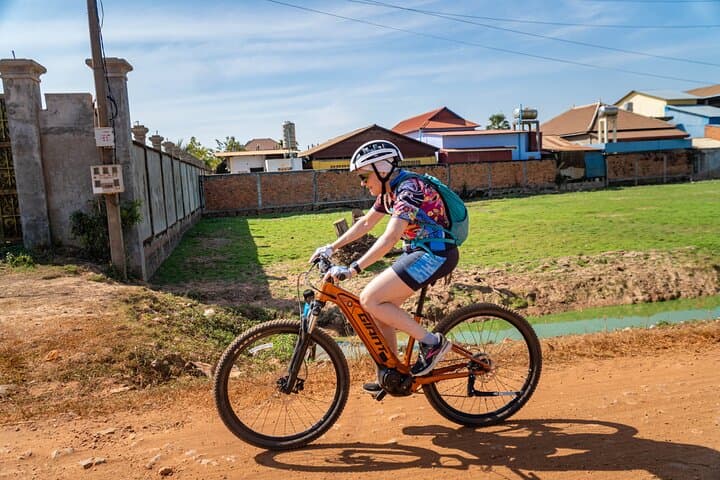
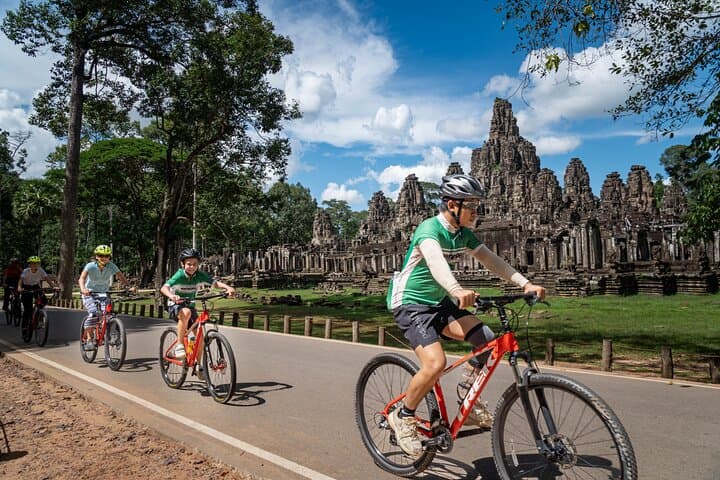
Expect 20–30km of mostly flat to gently rolling terrain, a mix of quiet asphalt, compacted dirt and short jungle tracks. Stops include Bayon’s multiple faces, Ta Prohm’s tree-root embraces and a shaded lunch overlooking a garden pond. An e‑bike option eases climbs and helps conserve energy for photography and temple exploration.
Practical note: carry sun protection and a filled bottle; temperatures climb fast and shade is sporadic. Dress respectfully—shoulders and knees should be covered at major temples. Guided groups keep to cultural etiquette and conservation rules; stay on paths, avoid climbing fragile reliefs, and pack out nonbiodegradable trash. A full day ride returns to Siem Reap by late afternoon, with time to cool down before evening markets.
moderate.
6–7 hours.
Moderate fitness: able to ride 20–30km over mixed surfaces with short periods of walking and climbing temple steps.
E‑bikes are usually available as an upgrade—confirm at booking; traditional bikes are provided by default.
This tour description lists site visits but usually does not include the Angkor Pass; purchase the appropriate pass at official entrances or ask your operator.
Kid-sized bikes, tag-alongs and child seats are available—disclose ages at booking to arrange suitable equipment.
Moderate fitness is recommended: participants should be comfortable cycling 20–30km and able to dismount and climb temple steps.
Angkor was the heart of the Khmer Empire (9th–15th centuries); Angkor Wat was built in the early 12th century by King Suryavarman II as a Hindu then Buddhist monument.
High visitor numbers and weathering threaten sandstone reliefs; follow guide instructions, stay on designated paths and avoid touching carvings to help protect the site.
Siem Reaper Travel - Phnom Penh Day Tours operates guided outdoor trips and adventures with an emphasis on safety, stewardship, and memorable experiences.
The morning air here smells of damp earth and frying garlic; a chorus of birds edges the road as cyclists push off from Siem Reap into fields and shaded tracks. Pedals whisper on hard-packed dirt while temple towers appear and vanish between palms—each turn pulls you deeper into the quieter side of Angkor.
The morning air here smells of damp earth and frying garlic; a chorus of birds edges the road as cyclists push off from Siem Reap into fields and shaded tracks. Pedals whisper on hard-packed dirt while temple towers appear and vanish between palms—each turn pulls you deeper into the quieter side of Angkor.
These backroads trace routes used for centuries, skirting the Khmer Empire’s grand monuments built in the 9th–13th centuries. Angkor Wat and Angkor Thom anchor the landscape geologically on low, seasonally flooded plains of the Tonlé Sap basin; laterite and sandstone sculptures weather under equatorial sun and monsoon rains, giving each carving a lived-in face. Local villages keep traditional crafts and rice farming alive, and a guide will translate gestures, meals and Khmer stories into context as you ride.
Expect 20–30km of mostly flat to gently rolling terrain, a mix of quiet asphalt, compacted dirt and short jungle tracks. Stops include Bayon’s multiple faces, Ta Prohm’s tree-root embraces and a shaded lunch overlooking a garden pond. An e‑bike option eases climbs and helps conserve energy for photography and temple exploration.
Practical note: carry sun protection and a filled bottle; temperatures climb fast and shade is sporadic. Dress respectfully—shoulders and knees should be covered at major temples. Guided groups keep to cultural etiquette and conservation rules; stay on paths, avoid climbing fragile reliefs, and pack out nonbiodegradable trash. A full day ride returns to Siem Reap by late afternoon, with time to cool down before evening markets.