THE ADVENTURE COLLECTIVE® · Independent discovery and booking for outdoor travel

Spend a day crossing the Aegean from Naxos to Delos and Mykonos: archaeological terraces and sunlit alleys punctuate a 10‑hour cruise. Expect ruined temples, seaside cafés, and variable sea conditions that reward basic preparation.
Spend a day crossing the Aegean from Naxos to Delos and Mykonos: archaeological terraces and sunlit alleys punctuate a 10‑hour cruise. Expect ruined temples, seaside cafés, and variable sea conditions that reward basic preparation.
The boat slips away from Naxos at first light, the Aegean opening like a cool promise. Salt and sun hit your skin, gulls wheel overhead and the coastline of Cycladic islands slides past in a sequence of white houses and ochre cliffs. In under an hour the fragile silhouette of Delos appears — wind-scoured ruins rising from low scrub — and later Mykonos unfurls with its whitewashed alleys and the low hum of seaside cafes.
Verified experiences and guided adventures in the surrounding area.
Operated by Alexander Boat - Cycladic Cruises · Naxos, South Aegean
The boat slips away from Naxos at first light, the Aegean opening like a cool promise. Salt and sun hit your skin, gulls wheel overhead and the coastline of Cycladic islands slides past in a sequence of white houses and ochre cliffs. In under an hour the fragile silhouette of Delos appears — wind-scoured ruins rising from low scrub — and later Mykonos unfurls with its whitewashed alleys and the low hum of seaside cafes.
Delos is one of Greece’s archaeological anchors: a major religious and commercial center in antiquity and now a remarkably well-preserved open-air museum. Geologically the islands are compact, tectonic fragments of limestone and schist, their scrubby soils forcing low, resilient vegetation. Mykonos’ cultural life is modern and lively, shaped by maritime trade and tourism; its windmills and Little Venice are products of local industry and sea-borne exchange.
On this full-day cruise expect about 10 hours afloat with scheduled stops — typically 2–3 hours on Delos and several hours in Mykonos — plenty of time to walk archaeological terraces, browse galleries, or sit in a waterfront taverna. The rhythm is mostly relaxed, but sea conditions can sharpen the trip: the Meltemi wind can make crossings brisk.
Practical notes: bring sun protection, a refillable water bottle, comfortable walking shoes for uneven ruins, and motion-sickness medication if you’re sensitive. Arrive early at the Naxos dock, keep light layers for wind, and plan any museum tickets or timed entries in advance during high season. This is a day that pairs history and seaside leisure — and rewards simple preparation with large views and tangible history.
moderate.
10 hours.
Basic mobility for walking on uneven ruin terraces and several hours on foot; not strenuous but requires moderate stamina for a long day.
The trip is approximately 10 hours and typically includes a multi‑hour stop at Delos and time in Mykonos; exact stops depend on the daily itinerary.
Most departures list admission as not included, so plan to purchase tickets at the site or confirm inclusion when booking.
The tour is advertised as suitable for most fitness levels, but Delos has uneven terrain and some sites may be challenging for guests with limited mobility; contact the operator for specific accommodations.
Late spring and early fall generally offer milder winds; July and August bring the strongest Meltemi winds which can make crossings rougher.
Delos was a principal religious and commercial hub in ancient Greece, famed as the mythical birthplace of Apollo and Artemis and a wealthy trading crossroads.
Visiting fragile ruins and island ecosystems requires staying on marked paths, carrying out waste, and respecting protected zones where flora and nesting birds are vulnerable.
Alexander Boat - Cycladic Cruises operates guided outdoor trips and adventures with an emphasis on safety, stewardship, and memorable experiences.
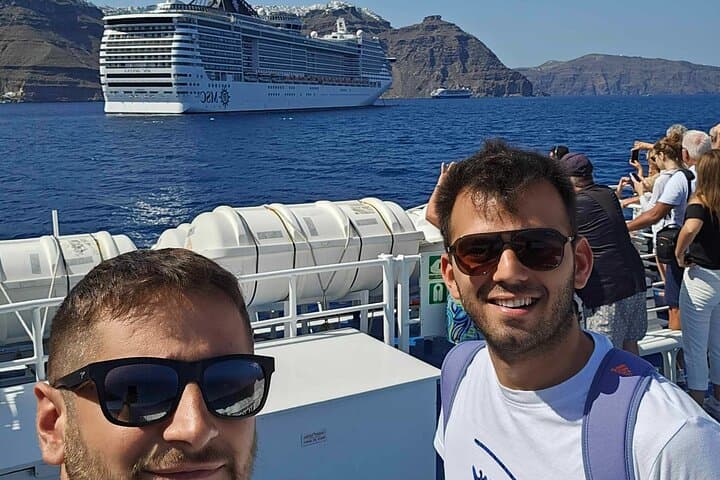
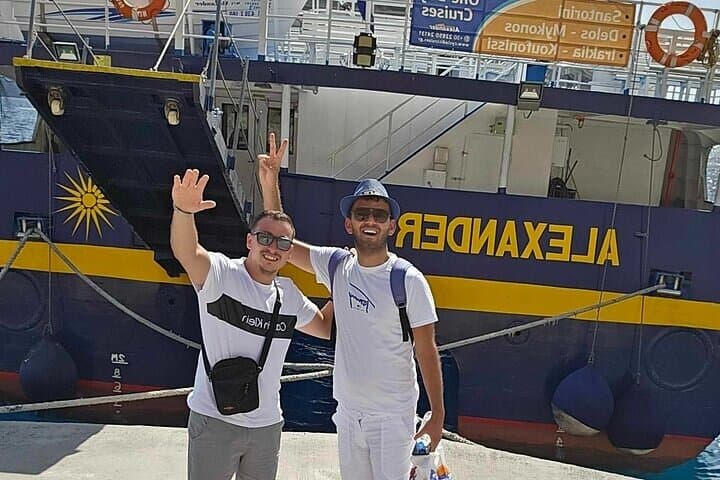
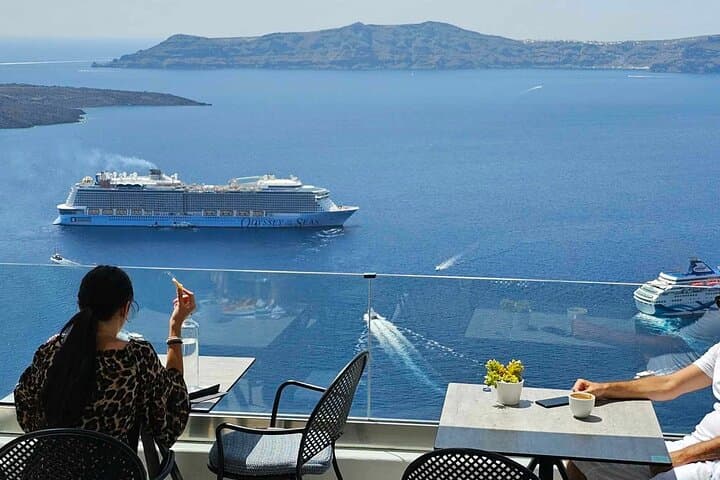
The boat slips away from Naxos at first light, the Aegean opening like a cool promise. Salt and sun hit your skin, gulls wheel overhead and the coastline of Cycladic islands slides past in a sequence of white houses and ochre cliffs. In under an hour the fragile silhouette of Delos appears — wind-scoured ruins rising from low scrub — and later Mykonos unfurls with its whitewashed alleys and the low hum of seaside cafes.
The boat slips away from Naxos at first light, the Aegean opening like a cool promise. Salt and sun hit your skin, gulls wheel overhead and the coastline of Cycladic islands slides past in a sequence of white houses and ochre cliffs. In under an hour the fragile silhouette of Delos appears — wind-scoured ruins rising from low scrub — and later Mykonos unfurls with its whitewashed alleys and the low hum of seaside cafes.
Delos is one of Greece’s archaeological anchors: a major religious and commercial center in antiquity and now a remarkably well-preserved open-air museum. Geologically the islands are compact, tectonic fragments of limestone and schist, their scrubby soils forcing low, resilient vegetation. Mykonos’ cultural life is modern and lively, shaped by maritime trade and tourism; its windmills and Little Venice are products of local industry and sea-borne exchange.
On this full-day cruise expect about 10 hours afloat with scheduled stops — typically 2–3 hours on Delos and several hours in Mykonos — plenty of time to walk archaeological terraces, browse galleries, or sit in a waterfront taverna. The rhythm is mostly relaxed, but sea conditions can sharpen the trip: the Meltemi wind can make crossings brisk.
Practical notes: bring sun protection, a refillable water bottle, comfortable walking shoes for uneven ruins, and motion-sickness medication if you’re sensitive. Arrive early at the Naxos dock, keep light layers for wind, and plan any museum tickets or timed entries in advance during high season. This is a day that pairs history and seaside leisure — and rewards simple preparation with large views and tangible history.