THE ADVENTURE COLLECTIVE® · Independent discovery and booking for outdoor travel

Spend 5–6 hours with a Kyoto resident who adapts the day to your interests, from torii-lined paths to quiet temple ponds. This private, customizable walking tour blends must-see highlights with local tips on food, etiquette, and shortcuts.
Spend 5–6 hours with a Kyoto resident who adapts the day to your interests, from torii-lined paths to quiet temple ponds. This private, customizable walking tour blends must-see highlights with local tips on food, etiquette, and shortcuts.
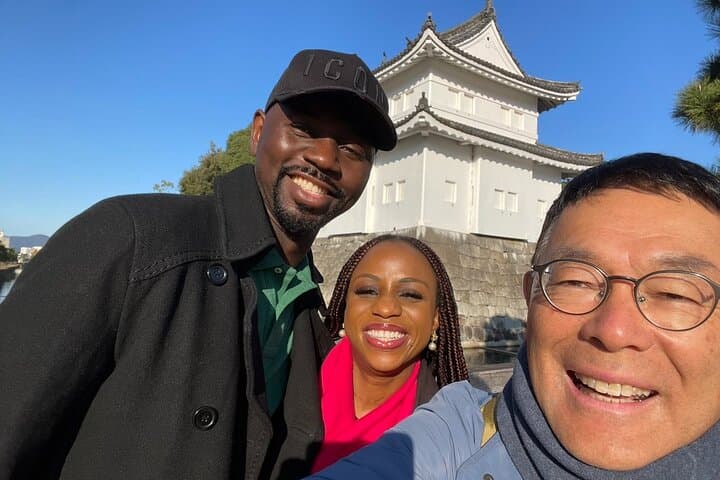
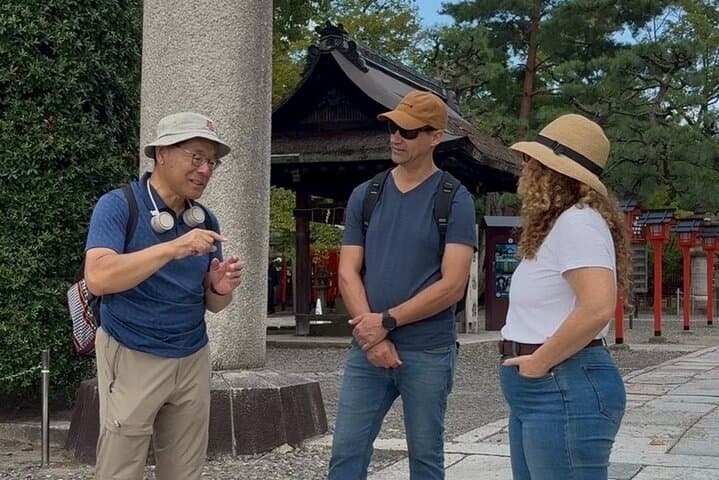
A thin mist lifts from the Kamo River as a local guide meets the group near a city gate, map folded but flexible. They move off along stone lanes, past wooden machiya whose paper screens whisper with the day’s first wind; the guide points to a moss-softened temple step, to a vermilion tunnel that seems to hold its breath. The tour is intimate by design — the route bends to the guests’ interests and the guide’s two decades of city knowledge.
Verified experiences and guided adventures in the surrounding area.
Operated by 合同会社Jacalize · Kyoto, Kyoto Prefecture
A thin mist lifts from the Kamo River as a local guide meets the group near a city gate, map folded but flexible. They move off along stone lanes, past wooden machiya whose paper screens whisper with the day’s first wind; the guide points to a moss-softened temple step, to a vermilion tunnel that seems to hold its breath. The tour is intimate by design — the route bends to the guests’ interests and the guide’s two decades of city knowledge.
Kyoto served as Japan’s imperial capital for over a millennium, and the city’s layout still echoes Heian-period planning. Geologically the city sits in a shallow basin framed by forested hills; the Kamo River cuts the low centre and feeds the temple ponds where koi fan out like living brushstrokes. Culturally, Kyoto preserves craft traditions and ritual etiquette: bowing, quiet voices in shrines, and shoe removal at thresholds.
On a practical note, expect 3–6 miles of mostly paved walking with occasional stairs and short uphill stretches at hilltop temples. Guides often handle ticket purchases and timing to avoid queues, but visitors should carry modest cash and an IC transit card for side errands. Bring comfortable shoes, a lightweight rain layer in spring and summer, and a charged phone for photos; your guide will suggest lunch spots tailored to dietary needs.
This private format suits first-time visitors who want the must-sees, as well as repeat travelers seeking hidden alleys, local eats, or seasonal festivals. The pace is conversational and adaptable — a city tour that listens as much as it leads.
easy.
5–6 hours.
Light to moderate urban walking fitness: able to walk several miles with short standing periods and stairs.
Meeting and finish points are flexible—most guides arrange a central pickup (station or hotel) and can drop you near public transit or your accommodation.
Yes, guides typically buy or reserve tickets during the tour and can suggest or book restaurants and transport support as needed.
Yes; the pace is adaptable and the itinerary can minimize stairs and walking distance for families or older guests.
Language options depend on the guide; confirm availability (English or other languages) at booking and note any special requests.
Kyoto was Japan’s imperial seat from 794 to 1868; many neighborhoods retain Edo- and earlier-era street plans, wooden merchant houses, and artisan shops.
Visitors are asked to stay on designated paths, avoid single-use plastics where possible, and respect temple rules—no flash photography in sacred interiors to protect art and worshippers.
合同会社Jacalize operates guided outdoor trips and adventures with an emphasis on safety, stewardship, and memorable experiences.


A thin mist lifts from the Kamo River as a local guide meets the group near a city gate, map folded but flexible. They move off along stone lanes, past wooden machiya whose paper screens whisper with the day’s first wind; the guide points to a moss-softened temple step, to a vermilion tunnel that seems to hold its breath. The tour is intimate by design — the route bends to the guests’ interests and the guide’s two decades of city knowledge.
A thin mist lifts from the Kamo River as a local guide meets the group near a city gate, map folded but flexible. They move off along stone lanes, past wooden machiya whose paper screens whisper with the day’s first wind; the guide points to a moss-softened temple step, to a vermilion tunnel that seems to hold its breath. The tour is intimate by design — the route bends to the guests’ interests and the guide’s two decades of city knowledge.
Kyoto served as Japan’s imperial capital for over a millennium, and the city’s layout still echoes Heian-period planning. Geologically the city sits in a shallow basin framed by forested hills; the Kamo River cuts the low centre and feeds the temple ponds where koi fan out like living brushstrokes. Culturally, Kyoto preserves craft traditions and ritual etiquette: bowing, quiet voices in shrines, and shoe removal at thresholds.
On a practical note, expect 3–6 miles of mostly paved walking with occasional stairs and short uphill stretches at hilltop temples. Guides often handle ticket purchases and timing to avoid queues, but visitors should carry modest cash and an IC transit card for side errands. Bring comfortable shoes, a lightweight rain layer in spring and summer, and a charged phone for photos; your guide will suggest lunch spots tailored to dietary needs.
This private format suits first-time visitors who want the must-sees, as well as repeat travelers seeking hidden alleys, local eats, or seasonal festivals. The pace is conversational and adaptable — a city tour that listens as much as it leads.