THE ADVENTURE COLLECTIVE® · Independent discovery and booking for outdoor travel

Customize a private, guide-led day through Osaka—choose history at Osaka Castle, street-food runs in Dotonbori, or quieter shrine walks. This practical guide explains what to expect and how to plan a five-hour bespoke city adventure.
Customize a private, guide-led day through Osaka—choose history at Osaka Castle, street-food runs in Dotonbori, or quieter shrine walks. This practical guide explains what to expect and how to plan a five-hour bespoke city adventure.
Neon reflections ripple on the Dotonbori canal as a private guide threads the group through back alleys where takoyaki smoke and retail hum meet.
Verified experiences and guided adventures in the surrounding area.
Operated by Flip Japan Guide · Osaka, Osaka Prefecture
Neon reflections ripple on the Dotonbori canal as a private guide threads the group through back alleys where takoyaki smoke and retail hum meet.
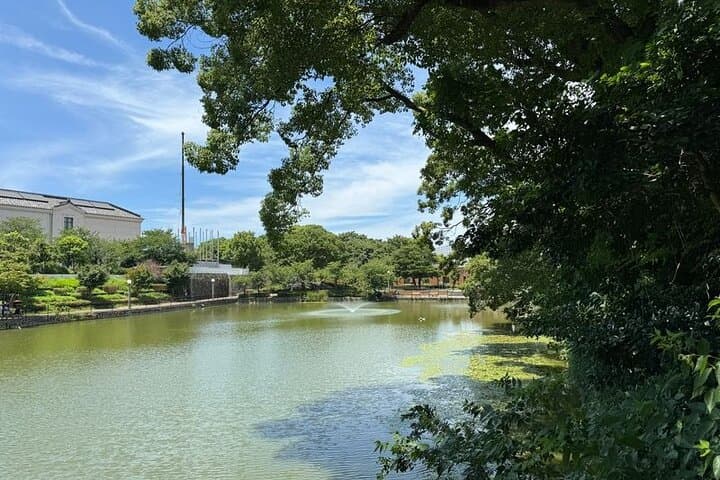
This customized Osaka walk trades a fixed checklist for curiosity: a morning at Osaka Castle to feel the samurai-era stonework and moat, a detour through Sumiyoshi Taisha’s straight-roofed shrine lanes, and an evening in Dotonbori chasing street food and photo spots. Geologically, the plain around Osaka is flat and alluvial—rivers and canals shaped trade routes that made the city a merchant hub from the Edo period to modern commerce.
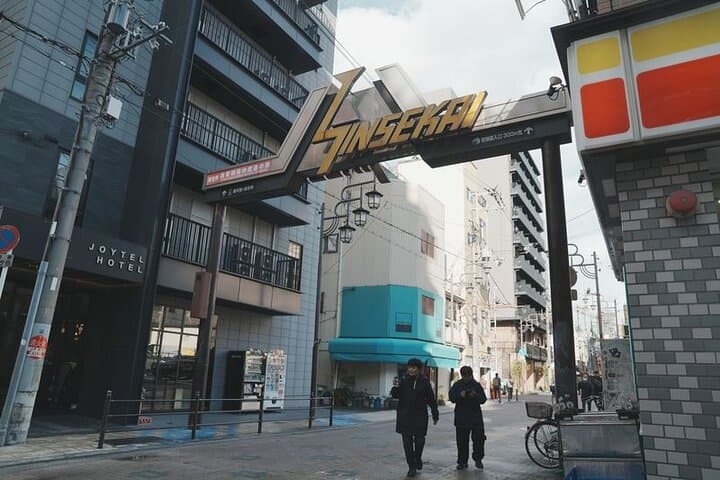
Culturally, Osaka is direct and hungry: a cuisine-first city with a history of merchants (chonin) who built the urban energy you’ll witness in Shinsaibashi and Shinsekai. Local guides add context—why a gate faces a river, which neighborhoods survived wartime firebombing, and where to find a family-owned kushikatsu joint.
Practical guidance: plan five hours for a well-paced private itinerary; wear broken-in walking shoes for pavement and occasional shrine stairs; carry cash—many stalls are cash-first; and schedule core sightseeing for early morning or after 6 p.m. to avoid peak crowds.
Expect adaptable pacing, insider food stops, and routes that prioritize your interests—history, contemporary street culture, or architecture. A good guide will navigate trains, local etiquette, and quieter side streets so your day feels curated, efficient, and distinctly Osaka.
easy.
5 hours.
Moderate: able to walk 3–6 miles over mixed urban terrain with occasional stairs.
This custom tour is typically five hours, but itineraries can be shortened or extended to match your interests and schedule.
Basic tour logistics are included, but admissions to paid attractions (like Osaka Castle museum) are usually extra—confirm with your provider when booking.
Yes—local guides can plan food stops around allergies or dietary preferences; communicate needs when you book.
Many central areas and transportation options are wheelchair accessible, but some shrines and older alleys have steps—confirm accessibility needs in advance.
Osaka grew as a mercantile powerhouse; Osaka Castle—built by Toyotomi Hideyoshi—marks the city’s strategic and cultural rebirths through centuries.
Crowds can stress narrow shopping streets and waterways—use public trash bins, avoid single-use plastics when possible, and support small local vendors to keep tourism benefits local.
Flip Japan Guide operates guided outdoor trips and adventures with an emphasis on safety, stewardship, and memorable experiences.
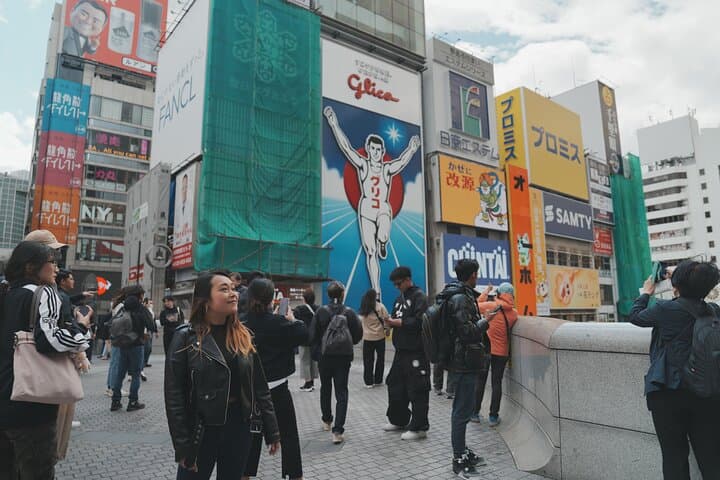
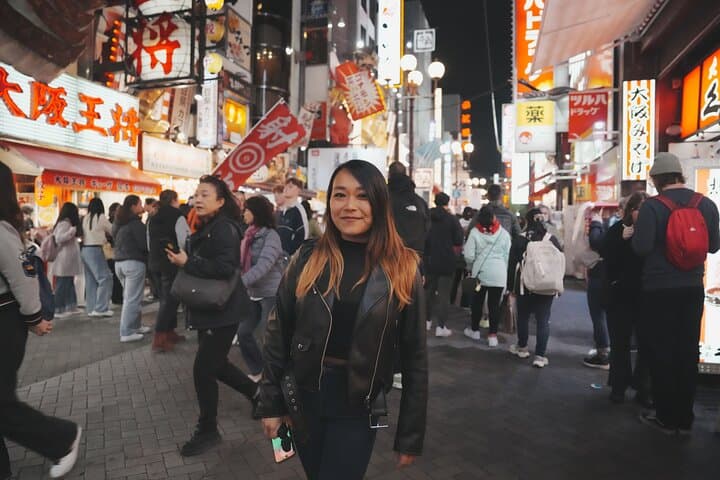
Neon reflections ripple on the Dotonbori canal as a private guide threads the group through back alleys where takoyaki smoke and retail hum meet.
Neon reflections ripple on the Dotonbori canal as a private guide threads the group through back alleys where takoyaki smoke and retail hum meet.
This customized Osaka walk trades a fixed checklist for curiosity: a morning at Osaka Castle to feel the samurai-era stonework and moat, a detour through Sumiyoshi Taisha’s straight-roofed shrine lanes, and an evening in Dotonbori chasing street food and photo spots. Geologically, the plain around Osaka is flat and alluvial—rivers and canals shaped trade routes that made the city a merchant hub from the Edo period to modern commerce.
Culturally, Osaka is direct and hungry: a cuisine-first city with a history of merchants (chonin) who built the urban energy you’ll witness in Shinsaibashi and Shinsekai. Local guides add context—why a gate faces a river, which neighborhoods survived wartime firebombing, and where to find a family-owned kushikatsu joint.
Practical guidance: plan five hours for a well-paced private itinerary; wear broken-in walking shoes for pavement and occasional shrine stairs; carry cash—many stalls are cash-first; and schedule core sightseeing for early morning or after 6 p.m. to avoid peak crowds.
Expect adaptable pacing, insider food stops, and routes that prioritize your interests—history, contemporary street culture, or architecture. A good guide will navigate trains, local etiquette, and quieter side streets so your day feels curated, efficient, and distinctly Osaka.