THE ADVENTURE COLLECTIVE® · Independent discovery and booking for outdoor travel

Turn Tokyo’s bustle into a bespoke walking route with a private guide who tailors history, food, and neighborhoods to your interests. Expect 2–6 hours of urban exploration, public transit hops, and local insights that make the city easier to read and enjoy.
Turn Tokyo’s bustle into a bespoke walking route with a private guide who tailors history, food, and neighborhoods to your interests. Expect 2–6 hours of urban exploration, public transit hops, and local insights that make the city easier to read and enjoy.
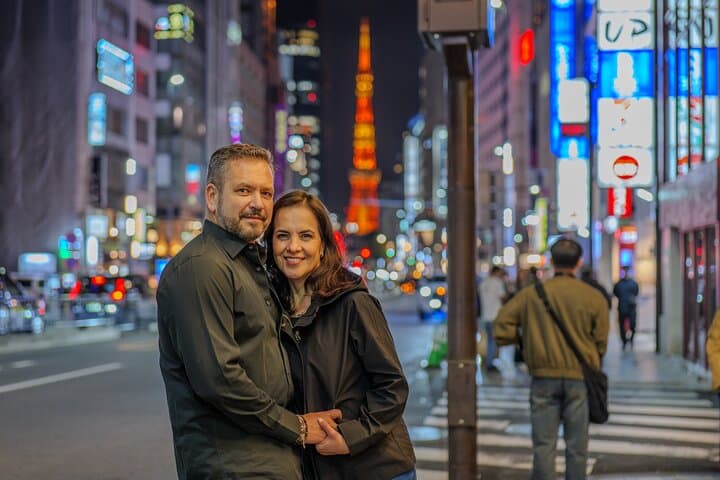
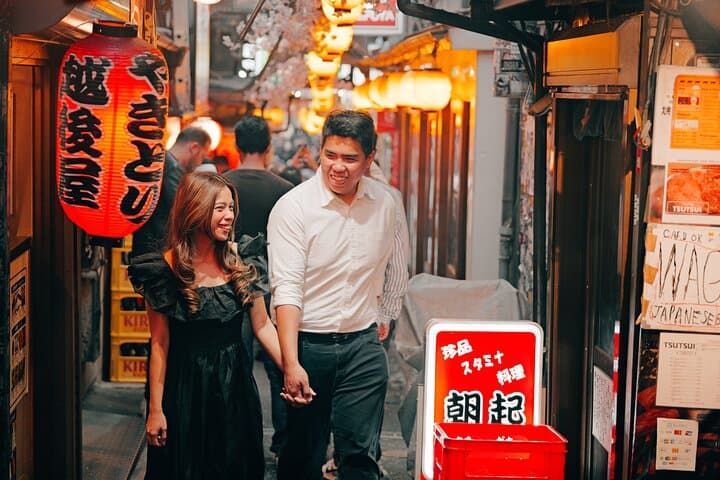
You step off a crowded Shinjuku platform and the city opens like a set of layered scenes: neon corners that hum, narrow alleys of cafés and yakitori, a quiet shrine tucked between glass towers. A private local guide routes you through what matters to you—history at Asakusa’s Senso-ji, contemporary life in Harajuku, food markets at Tsukiji—so the city’s pulse becomes legible rather than overwhelming.
Verified experiences and guided adventures in the surrounding area.
Operated by Tokyo Local Discovery Walks · Tokyo, Tokyo
You step off a crowded Shinjuku platform and the city opens like a set of layered scenes: neon corners that hum, narrow alleys of cafés and yakitori, a quiet shrine tucked between glass towers. A private local guide routes you through what matters to you—history at Asakusa’s Senso-ji, contemporary life in Harajuku, food markets at Tsukiji—so the city’s pulse becomes legible rather than overwhelming.
Tokyo sits on the flat Kanto Plain over a web of reclaimed land and seismic faults; its districts reflect cycles of Edo-period commerce, Meiji modernization, postwar rebuilding and cutting-edge design. Cultural rules—low-key public behavior, no tipping, respect for shrines and small shops—shape how you move through neighborhoods. The city’s geology means dramatic views are urban: layered rooftops, temple eaves, and the far silhouette of Mount Fuji on clear days.
A tailored walking tour lets you pick themes—architecture, food, pop culture, or history—and pace. Guides often use trains and short walks between districts, so wear comfortable shoes, keep a reloadable IC card ready, and plan for weather changes; Tokyo’s microclimates can shift between sun and sudden rain.
Practical guidance: allow 2–6 hours depending on interests, pick morning slots to avoid peak commuter crush and afternoon heat in summer, and build in stops for snacks at side-street stands. For accessibility, many central sidewalks and transit stations are wheelchair-friendly, but confirm specifics when booking. This is a city-focused, human-scale adventure—fast to reach, rich in detail, and customizable to the curiosity you bring.
easy.
2–6 hours.
Suitable for most fitness levels; expect several miles of walking at an urban pace with frequent stops.
Yes—the tour is private and designed around your stated interests; discuss neighborhoods and themes with the operator before booking.
Many central routes and transportation options are wheelchair accessible, but confirm specifics and pickup needs when booking to ensure a suitable route.
Tipping is not customary in Japan; a polite thank-you or a small gift is appreciated but not expected.
Full refunds are typically available if you cancel at least 24 hours before the scheduled departure; check the operator’s policy for exceptions.
Tokyo evolved from Edo, the seat of Tokugawa shogunate; many neighborhoods retain layers of commerce and craft from that era to the present.
Urban green spaces and small shrine gardens are important for biodiversity; stick to paths, avoid feeding wildlife, and follow local waste-sorting rules to minimize impact.
Tokyo Local Discovery Walks operates guided outdoor trips and adventures with an emphasis on safety, stewardship, and memorable experiences.
You step off a crowded Shinjuku platform and the city opens like a set of layered scenes: neon corners that hum, narrow alleys of cafés and yakitori, a quiet shrine tucked between glass towers. A private local guide routes you through what matters to you—history at Asakusa’s Senso-ji, contemporary life in Harajuku, food markets at Tsukiji—so the city’s pulse becomes legible rather than overwhelming.
You step off a crowded Shinjuku platform and the city opens like a set of layered scenes: neon corners that hum, narrow alleys of cafés and yakitori, a quiet shrine tucked between glass towers. A private local guide routes you through what matters to you—history at Asakusa’s Senso-ji, contemporary life in Harajuku, food markets at Tsukiji—so the city’s pulse becomes legible rather than overwhelming.
Tokyo sits on the flat Kanto Plain over a web of reclaimed land and seismic faults; its districts reflect cycles of Edo-period commerce, Meiji modernization, postwar rebuilding and cutting-edge design. Cultural rules—low-key public behavior, no tipping, respect for shrines and small shops—shape how you move through neighborhoods. The city’s geology means dramatic views are urban: layered rooftops, temple eaves, and the far silhouette of Mount Fuji on clear days.
A tailored walking tour lets you pick themes—architecture, food, pop culture, or history—and pace. Guides often use trains and short walks between districts, so wear comfortable shoes, keep a reloadable IC card ready, and plan for weather changes; Tokyo’s microclimates can shift between sun and sudden rain.
Practical guidance: allow 2–6 hours depending on interests, pick morning slots to avoid peak commuter crush and afternoon heat in summer, and build in stops for snacks at side-street stands. For accessibility, many central sidewalks and transit stations are wheelchair-friendly, but confirm specifics when booking. This is a city-focused, human-scale adventure—fast to reach, rich in detail, and customizable to the curiosity you bring.