THE ADVENTURE COLLECTIVE® · Independent discovery and booking for outdoor travel

Design your own private day from Paris to three Loire Valley castles. Pick Chambord, Chenonceau, Amboise and more—combine history, gardens and wine with a local guide and private transport.
Design your own private day from Paris to three Loire Valley castles. Pick Chambord, Chenonceau, Amboise and more—combine history, gardens and wine with a local guide and private transport.
Morning light breaks over the Loire and the road from Paris unspools into fields of winter wheat and clipped hedgerows. You slide into an air-conditioned vehicle and, within an hour or two, the château roofs appear—stone sculptures blinking above the river mist—as the guide begins to shape three castles into a single day’s story.
Verified experiences and guided adventures in the surrounding area.
Operated by Normandy Melody · Chambord, Centre-Val de Loire
Morning light breaks over the Loire and the road from Paris unspools into fields of winter wheat and clipped hedgerows. You slide into an air-conditioned vehicle and, within an hour or two, the château roofs appear—stone sculptures blinking above the river mist—as the guide begins to shape three castles into a single day’s story.
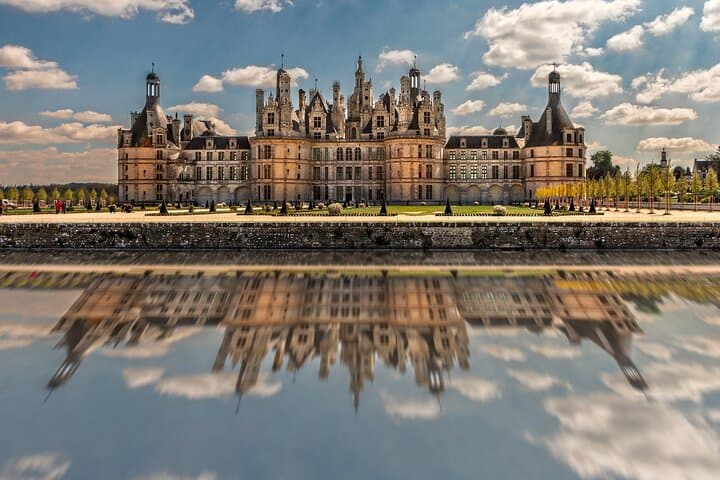
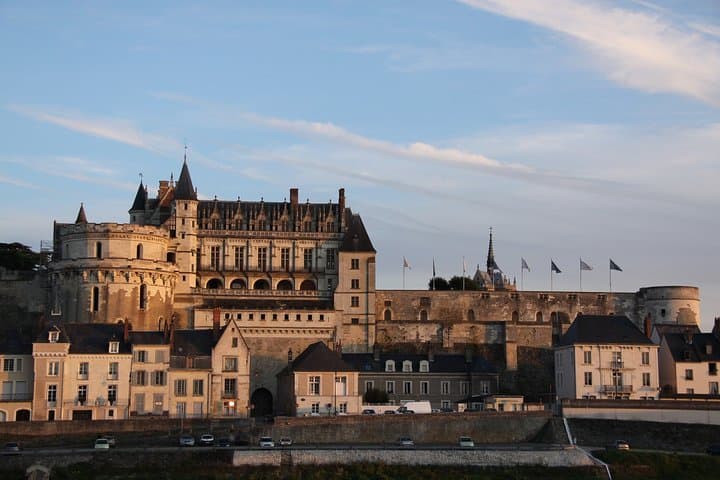
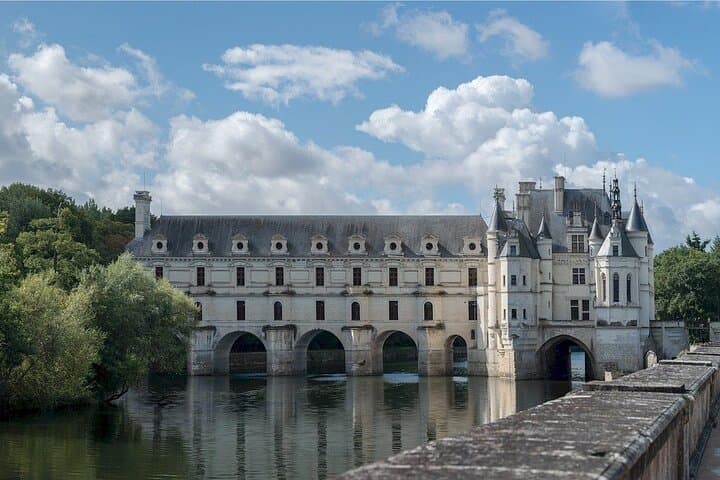
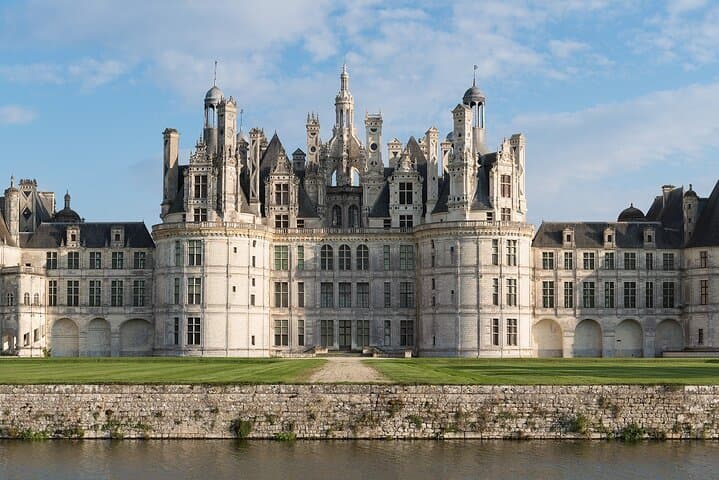
The Loire Valley maps centuries of power: medieval fortresses reworked into Renaissance statements, rivers that guided trade and the movement of courtly life, and gardens re-ordered to project control and taste. Chambord’s double-helix stair, Chenonceau’s arched bridge across the Cher, and Clos Lucé’s da Vinci models each hold different chapters—royal ambition, female patrons, and a quiet genius invited by François I.
Geology here is soft limestone; quarries fed grand façades and created the gentle slopes that vineyards exploit. Culture blends rural viticulture with château tourism—expect wine tastings, manicured parterres, and local produce in village markets.
Practically: choose three sites you most want to explore and reserve any château admissions ahead of time to skip lines. Wear firm walking shoes for cobbles and terraces, bring layered clothing against the river breeze, and keep a reusable water bottle. Timed visits or early departures reduce crowds; allow 45–90 minutes per château for highlights. If you enjoy small detours, add a winery stop or a riverside walk—Loire will lure you away from the itinerary more than once.
easy.
8 hours.
Suitable for most fitness levels; involves moderate walking at each château, some stairs and uneven ground.
Plan for three sites to allow travel time and meaningful visits—typically 45–90 minutes per château plus transit and a possible wine stop.
Yes—private transport usually includes hotel pickup and drop-off within Paris; confirm your pickup point when booking.
Some itineraries include admissions; confirm at booking—if not included, pre-purchase tickets to avoid lines at top sites.
Yes—many sites accommodate strollers, but expect stairs and uneven surfaces; infant seats are often available in the vehicle.
The Loire was a political and cultural axis for French royalty; many châteaux began as medieval fortresses transformed during the Renaissance under François I and his court.
Visitor management focuses on protecting fragile garden beds and riverbanks; choose local wineries practicing sustainable viticulture and follow site rules to reduce wear.
Normandy Melody operates guided outdoor trips and adventures with an emphasis on safety, stewardship, and memorable experiences.
Morning light breaks over the Loire and the road from Paris unspools into fields of winter wheat and clipped hedgerows. You slide into an air-conditioned vehicle and, within an hour or two, the château roofs appear—stone sculptures blinking above the river mist—as the guide begins to shape three castles into a single day’s story.
Morning light breaks over the Loire and the road from Paris unspools into fields of winter wheat and clipped hedgerows. You slide into an air-conditioned vehicle and, within an hour or two, the château roofs appear—stone sculptures blinking above the river mist—as the guide begins to shape three castles into a single day’s story.
The Loire Valley maps centuries of power: medieval fortresses reworked into Renaissance statements, rivers that guided trade and the movement of courtly life, and gardens re-ordered to project control and taste. Chambord’s double-helix stair, Chenonceau’s arched bridge across the Cher, and Clos Lucé’s da Vinci models each hold different chapters—royal ambition, female patrons, and a quiet genius invited by François I.
Geology here is soft limestone; quarries fed grand façades and created the gentle slopes that vineyards exploit. Culture blends rural viticulture with château tourism—expect wine tastings, manicured parterres, and local produce in village markets.
Practically: choose three sites you most want to explore and reserve any château admissions ahead of time to skip lines. Wear firm walking shoes for cobbles and terraces, bring layered clothing against the river breeze, and keep a reusable water bottle. Timed visits or early departures reduce crowds; allow 45–90 minutes per château for highlights. If you enjoy small detours, add a winery stop or a riverside walk—Loire will lure you away from the itinerary more than once.