THE ADVENTURE COLLECTIVE® · Independent discovery and booking for outdoor travel

Design your own full-day Kyoto experience with a private guide and vehicle. Visit temples, walk the Arashiyama bamboo grove, ride the Hozu River boat, and opt for kimono rental and onsite photos.
Design your own full-day Kyoto experience with a private guide and vehicle. Visit temples, walk the Arashiyama bamboo grove, ride the Hozu River boat, and opt for kimono rental and onsite photos.
The day begins with a city that moves at two speeds: quiet, temple-strewn mornings and animated markets by afternoon. A private vehicle slips through narrow lanes, dropping travelers where stone steps slope toward tori gates and bamboo stands lean like watchful guardians.
Verified experiences and guided adventures in the surrounding area.
Operated by Korina Tour · Kyoto, Kyoto Prefecture
The day begins with a city that moves at two speeds: quiet, temple-strewn mornings and animated markets by afternoon. A private vehicle slips through narrow lanes, dropping travelers where stone steps slope toward tori gates and bamboo stands lean like watchful guardians.
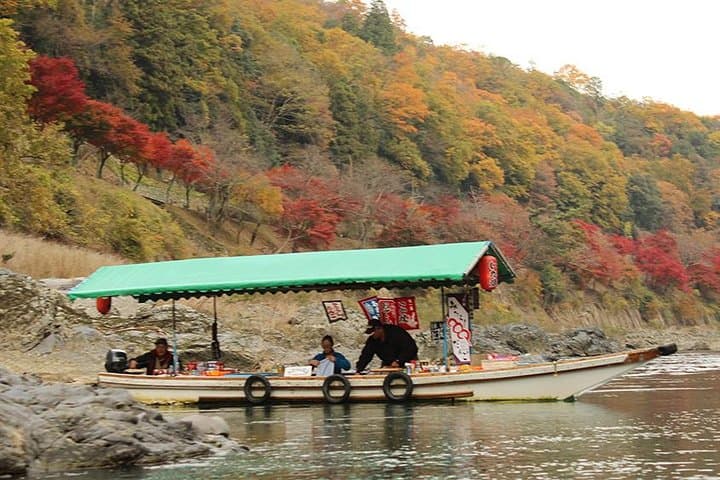
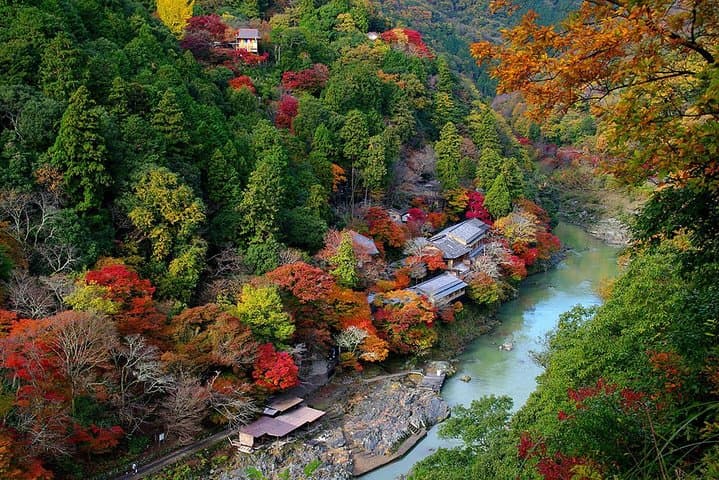
Kyoto’s streets map centuries—shrine precincts from the Heian and Muromachi eras, the Golden Pavilion (Kinkaku-ji) completed as Ashikaga Yoshimitsu’s retirement villa in 1397, and Arashiyama’s river that still carries timber-smelling air downstream in wooden Hozu boats that dare the current.
Geology is subtle here: low volcanic hills rim the basin and feed clear streams that shaped settlement patterns; moss and granite steps record slow weathering. Culturally, Kyoto is measured — from the ceremonial precision of a kimono-clad walk through Gion to the rituals at neighborhood shrines; visitors will spot maiko in historic districts and artisans in textile alleys.
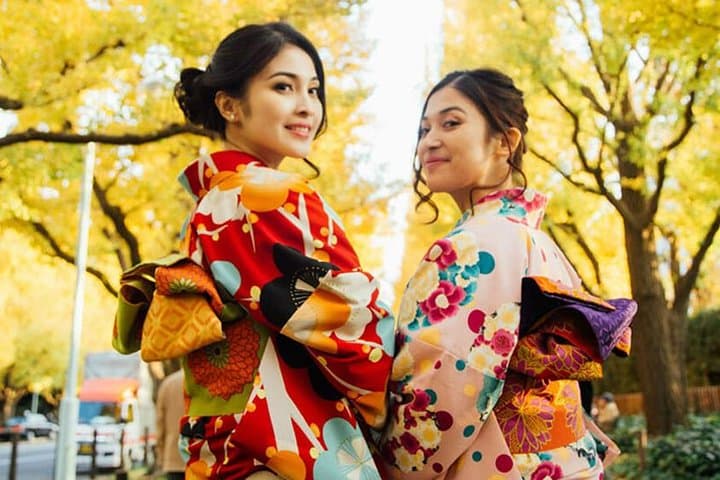
A tailored private tour lets guests choose rhythm and focus: temple photography, a bamboo grove walk in Arashiyama, Hozu River boat rides, kimono rental and even a local photographer on request. Practicalities matter: expect 8–11 hours, moderate walking over cobbles and steps, and short transfers by air-conditioned vehicle. Start early for photos and lighter crowds, carry small bills for shrine offerings and local vendors, and wear shoes that handle stone and occasional wet paths.
Respect quiet at religious sites, follow guide directions about photography restrictions, and plan time for a casual lunch in a machiya café — Kyoto rewards curiosity when you move deliberately.
moderate.
8–11 hours.
Moderately fit: expect several hours on foot, climbing steps and walking uneven surfaces.
Private transport can include pickup—confirm your pickup point at booking and communicate any special requests.
Tipping is not customary in Japan; a sincere thank-you or small gift is appreciated but not expected.
Most temple admissions are not included—budget for individual entrance fees and optional activities like kimono rental.
Yes, this is a tailored private tour, but changes depend on timing, traffic, and opening hours—discuss with your guide.
Kyoto was Japan’s imperial capital for over a millennium; Kinkaku-ji dates to 1397 as Ashikaga Yoshimitsu’s retirement villa.
Visitors should stay on marked paths, avoid feeding wildlife, and use refillable bottles; small historic districts are sensitive to foot traffic and litter.
Korina Tour operates guided outdoor trips and adventures with an emphasis on safety, stewardship, and memorable experiences.
The day begins with a city that moves at two speeds: quiet, temple-strewn mornings and animated markets by afternoon. A private vehicle slips through narrow lanes, dropping travelers where stone steps slope toward tori gates and bamboo stands lean like watchful guardians.
The day begins with a city that moves at two speeds: quiet, temple-strewn mornings and animated markets by afternoon. A private vehicle slips through narrow lanes, dropping travelers where stone steps slope toward tori gates and bamboo stands lean like watchful guardians.
Kyoto’s streets map centuries—shrine precincts from the Heian and Muromachi eras, the Golden Pavilion (Kinkaku-ji) completed as Ashikaga Yoshimitsu’s retirement villa in 1397, and Arashiyama’s river that still carries timber-smelling air downstream in wooden Hozu boats that dare the current.
Geology is subtle here: low volcanic hills rim the basin and feed clear streams that shaped settlement patterns; moss and granite steps record slow weathering. Culturally, Kyoto is measured — from the ceremonial precision of a kimono-clad walk through Gion to the rituals at neighborhood shrines; visitors will spot maiko in historic districts and artisans in textile alleys.
A tailored private tour lets guests choose rhythm and focus: temple photography, a bamboo grove walk in Arashiyama, Hozu River boat rides, kimono rental and even a local photographer on request. Practicalities matter: expect 8–11 hours, moderate walking over cobbles and steps, and short transfers by air-conditioned vehicle. Start early for photos and lighter crowds, carry small bills for shrine offerings and local vendors, and wear shoes that handle stone and occasional wet paths.
Respect quiet at religious sites, follow guide directions about photography restrictions, and plan time for a casual lunch in a machiya café — Kyoto rewards curiosity when you move deliberately.