THE ADVENTURE COLLECTIVE® · Independent discovery and booking for outdoor travel

Tailor your mountain walk around Baños—from gentle riverside strolls to ridge climbs beneath volcanic peaks. Guides supply poles and hydration and adapt routes to match your pace and time.
Tailor your mountain walk around Baños—from gentle riverside strolls to ridge climbs beneath volcanic peaks. Guides supply poles and hydration and adapt routes to match your pace and time.
A cool mist threads through the pines as you push off from a small roadside plaza in Baños de Agua Santa, the town’s church bells shrinking behind you. Paths peel away into steep volcanic ridges and lower cloud-forest gullies; the air tastes faintly of sulfur and wet earth. Guides set the pace to match the group—an easy riverside ramble, a brisk climb to a panoramic mirador, or a longer ridge walk that brushes the lower flanks of active Tungurahua.
Verified experiences and guided adventures in the surrounding area.
Operated by HAT TRAVEL · Baños de Agua Santa, Tungurahua
A cool mist threads through the pines as you push off from a small roadside plaza in Baños de Agua Santa, the town’s church bells shrinking behind you. Paths peel away into steep volcanic ridges and lower cloud-forest gullies; the air tastes faintly of sulfur and wet earth. Guides set the pace to match the group—an easy riverside ramble, a brisk climb to a panoramic mirador, or a longer ridge walk that brushes the lower flanks of active Tungurahua.
This part of the central Andes sits on volcanic layers laid down over millennia; trails cut through old lava terraces and alluvial fans while pastaza-fed streams have carved deep ravines. Baños has long been a crossroads between highland farmers and Amazonian traders, and its thermal baths and market stalls reflect that mixed heritage.
Expect varied terrain: packed dirt, wet roots, occasional scree on steeper options. Guides supply trekking poles and hydration and can tailor time and grade from roughly two to five hours so walkers of differing fitness can share the route.
Practical guidance: start early to avoid afternoon rain, wear supportive footwear with good grip, and bring a rain shell—weather changes fast at 1,800+ meters. Carry at least 1 liter of water for short walks, more for longer outlets. If you’re sensitive to altitude, take the easy option first and let your breathing settle before attempting steeper sections. Local guides know the safest lines on wet slopes and the best viewpoints for photography, so booking a guide not only enriches the cultural context but reduces environmental impact by keeping groups on durable trails.
moderate.
2–5 hours.
Suitable for moderately fit walkers; choose easier options if new to altitude or steep terrain.
Yes; routes are personalized and guides adjust distance and grade based on your group’s fitness and weather conditions.
Poles and basic hydration are provided, but bring a personal water bottle for refills and hygiene.
Mornings are best for clearer skies and drier trails; afternoons bring a higher chance of showers and cloud cover.
Yes—there are easy, low-grade options suitable for families and less-mobile participants; mention ages and needs when booking.
Baños developed around thermal springs and as a transit point between Andean highlands and Amazon lowlands; local trails have long served farmers and traders.
Stick to established trails and pack out waste—erosion is the main threat to fragile volcanic slopes and cloud-forest regeneration; hiring local guides helps support sustainable trail use.
HAT TRAVEL operates guided outdoor trips and adventures with an emphasis on safety, stewardship, and memorable experiences.
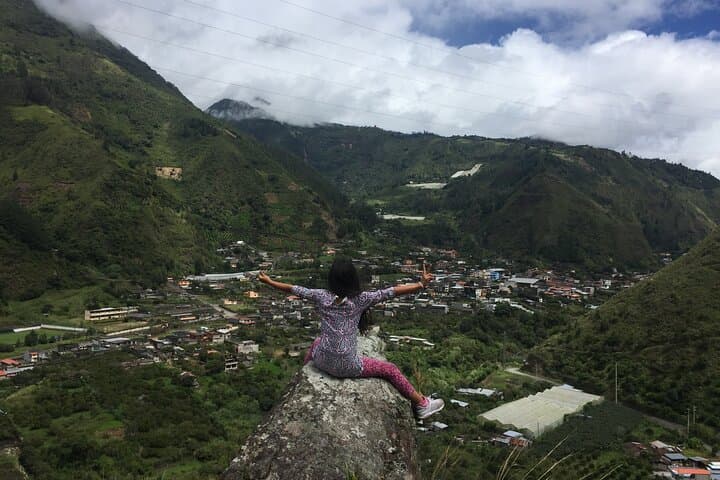
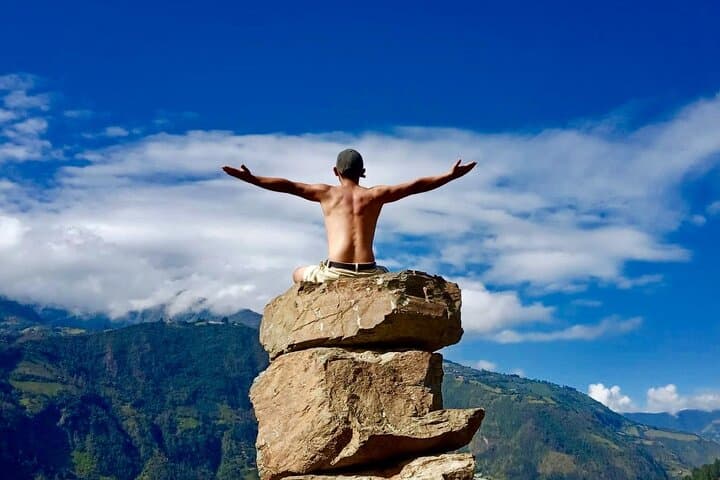
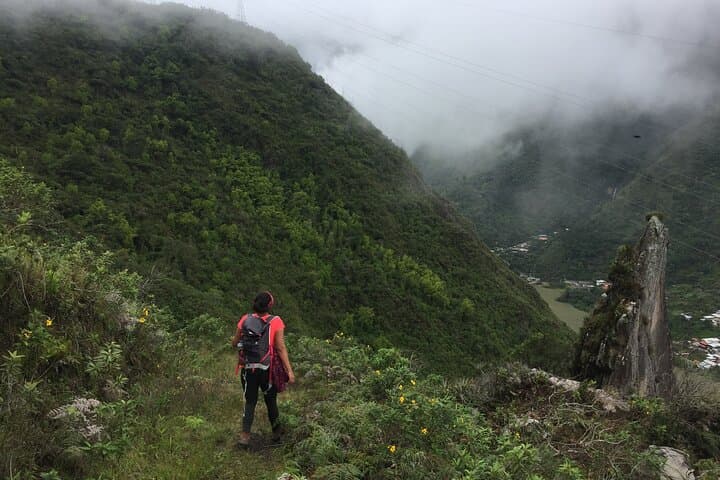
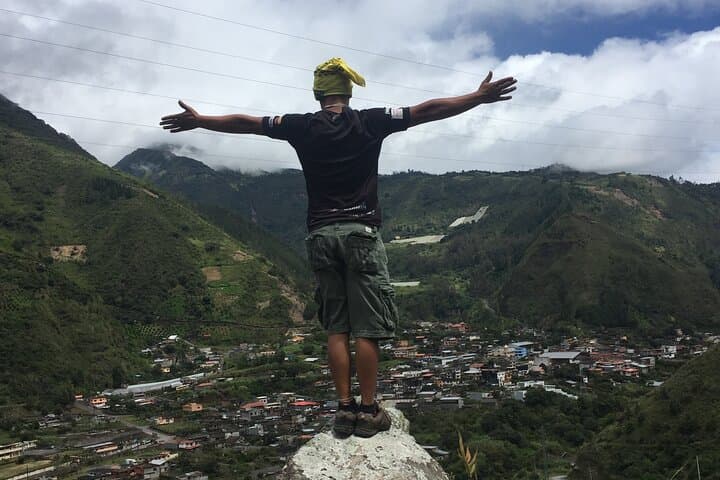
A cool mist threads through the pines as you push off from a small roadside plaza in Baños de Agua Santa, the town’s church bells shrinking behind you. Paths peel away into steep volcanic ridges and lower cloud-forest gullies; the air tastes faintly of sulfur and wet earth. Guides set the pace to match the group—an easy riverside ramble, a brisk climb to a panoramic mirador, or a longer ridge walk that brushes the lower flanks of active Tungurahua.
A cool mist threads through the pines as you push off from a small roadside plaza in Baños de Agua Santa, the town’s church bells shrinking behind you. Paths peel away into steep volcanic ridges and lower cloud-forest gullies; the air tastes faintly of sulfur and wet earth. Guides set the pace to match the group—an easy riverside ramble, a brisk climb to a panoramic mirador, or a longer ridge walk that brushes the lower flanks of active Tungurahua.
This part of the central Andes sits on volcanic layers laid down over millennia; trails cut through old lava terraces and alluvial fans while pastaza-fed streams have carved deep ravines. Baños has long been a crossroads between highland farmers and Amazonian traders, and its thermal baths and market stalls reflect that mixed heritage.
Expect varied terrain: packed dirt, wet roots, occasional scree on steeper options. Guides supply trekking poles and hydration and can tailor time and grade from roughly two to five hours so walkers of differing fitness can share the route.
Practical guidance: start early to avoid afternoon rain, wear supportive footwear with good grip, and bring a rain shell—weather changes fast at 1,800+ meters. Carry at least 1 liter of water for short walks, more for longer outlets. If you’re sensitive to altitude, take the easy option first and let your breathing settle before attempting steeper sections. Local guides know the safest lines on wet slopes and the best viewpoints for photography, so booking a guide not only enriches the cultural context but reduces environmental impact by keeping groups on durable trails.