THE ADVENTURE COLLECTIVE® · Independent discovery and booking for outdoor travel

Explore Yokohama on a private, customizable 4- or 8-hour walking tour that covers Minato Mirai, Chinatown, Yamashita Park and more. Ideal for cruise passengers, the route is tailored to your interests and paced for steady on-foot discovery.
Explore Yokohama on a private, customizable 4- or 8-hour walking tour that covers Minato Mirai, Chinatown, Yamashita Park and more. Ideal for cruise passengers, the route is tailored to your interests and paced for steady on-foot discovery.
A brisk sea breeze off Tokyo Bay tugs at your jacket as you step away from the cruise terminal and into Yokohama’s waterfront rhythm. The city moves in layers: bright neon at the Cup Noodles Museum, the stately brick of the Red Brick Warehouses, and the steady promenade at Yamashita Park where ferries cut white wakes across the harbor.
Verified experiences and guided adventures in the surrounding area.
Operated by ISHIDA · Yokohama, Kanagawa
A brisk sea breeze off Tokyo Bay tugs at your jacket as you step away from the cruise terminal and into Yokohama’s waterfront rhythm. The city moves in layers: bright neon at the Cup Noodles Museum, the stately brick of the Red Brick Warehouses, and the steady promenade at Yamashita Park where ferries cut white wakes across the harbor.
Yokohama’s modern face was forged after 1859 when it opened as one of Japan’s first treaty ports; you’ll pass buildings and shrines that mark that rapid shift from fishing village to global gateway. Geologically it sits on reclaimed coastal plain, so the skyline feels refreshingly open — Minato Mirai’s towers rise from level land with parks and promenades between them. Cultural notes appear in alleys: Chinatown’s incense and lacquered signs, the low-lit izakayas of Noge, and temple gates where ritual bells punctuate the air.
This private walking option is adaptable: a compact 4-hour loop lets you sample two or three highlights, while the 8-hour choice stretches to deeper neighborhoods and quieter shrines. Expect mostly paved surfaces, frequent street crossings, and between 6–12 miles of walking depending on your route. Guides customize pacing and can arrange pickup from a hotel or cruise terminal.
Practical guidance: start early to avoid midday crowds, bring a charged IC card for trams and trains, carry water and light rain protection (June’s rains and sudden showers are common), and wear supportive shoes — this is urban exploration at walking pace, not a sedentary city shuttle.
moderate.
4–8 hours.
Moderate endurance for several hours of walking; comfortable on your feet for continuous city exploration.
Yes — the tour lists pickup at hotels or cruise terminals as part of the service; confirm location and time when booking.
Admissions are typically not included; guides will advise which sites require separate tickets and can help plan which to visit within your time frame.
Infants and small children can use strollers, but the itinerary involves a fair amount of walking — consider the 8-hour option only if the group is comfortable with extended time on foot.
A full refund is available if you cancel at least 24 hours before the scheduled departure; bad-weather cancellations are allowed per the operator’s policy.
Yokohama opened as an international treaty port in 1859 and quickly evolved into Japan’s gateway for trade and culture, shaping its mix of Western-style buildings and Japanese shrines.
Coastal walkways and parks are managed to balance visitor use with habitat protection — pack out trash, respect fenced plantings, and follow shrine etiquette to minimize impact.
ISHIDA operates guided outdoor trips and adventures with an emphasis on safety, stewardship, and memorable experiences.
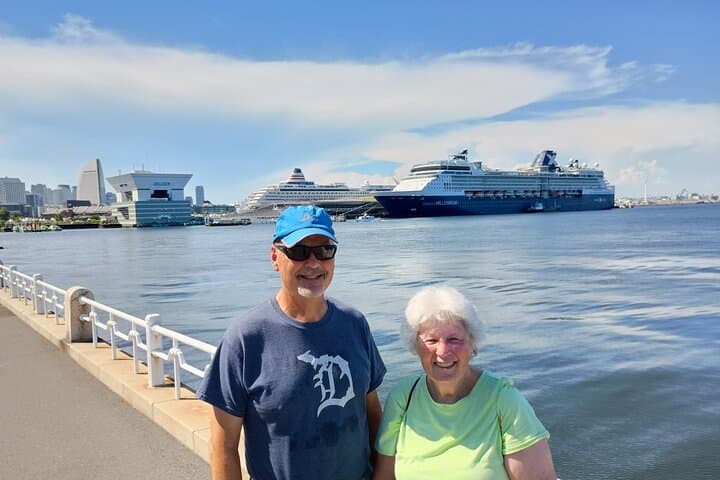
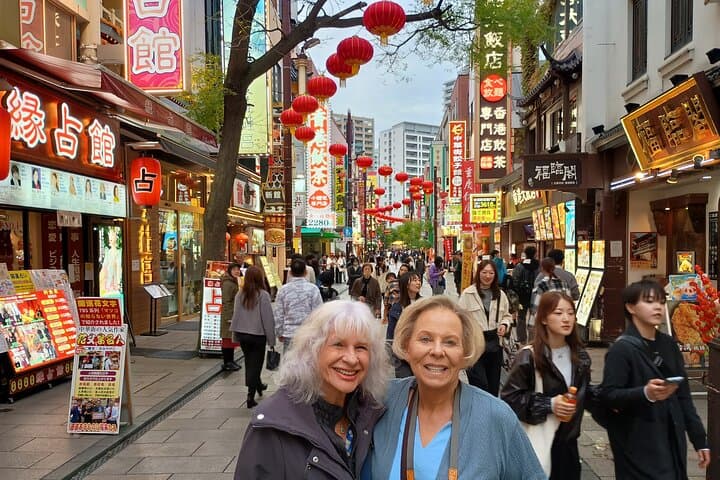
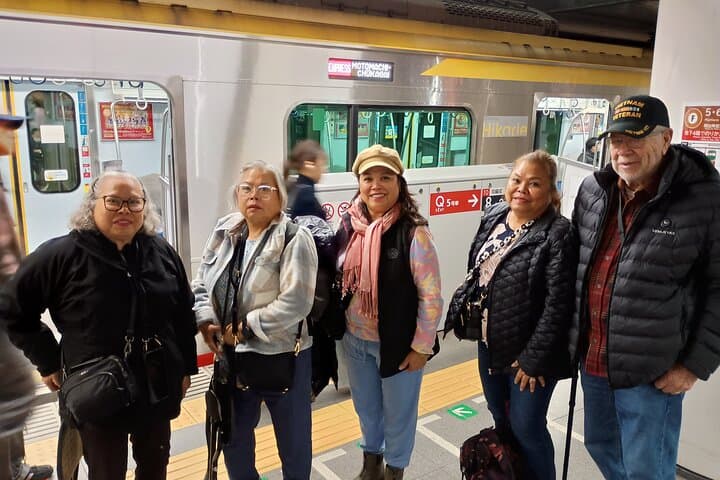
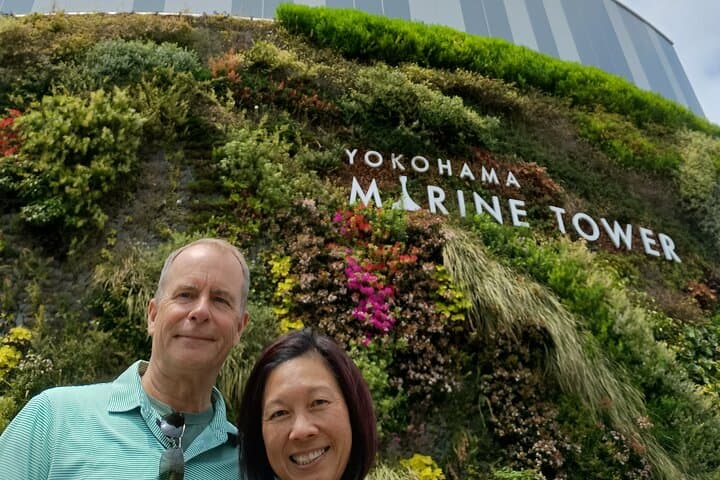
A brisk sea breeze off Tokyo Bay tugs at your jacket as you step away from the cruise terminal and into Yokohama’s waterfront rhythm. The city moves in layers: bright neon at the Cup Noodles Museum, the stately brick of the Red Brick Warehouses, and the steady promenade at Yamashita Park where ferries cut white wakes across the harbor.
A brisk sea breeze off Tokyo Bay tugs at your jacket as you step away from the cruise terminal and into Yokohama’s waterfront rhythm. The city moves in layers: bright neon at the Cup Noodles Museum, the stately brick of the Red Brick Warehouses, and the steady promenade at Yamashita Park where ferries cut white wakes across the harbor.
Yokohama’s modern face was forged after 1859 when it opened as one of Japan’s first treaty ports; you’ll pass buildings and shrines that mark that rapid shift from fishing village to global gateway. Geologically it sits on reclaimed coastal plain, so the skyline feels refreshingly open — Minato Mirai’s towers rise from level land with parks and promenades between them. Cultural notes appear in alleys: Chinatown’s incense and lacquered signs, the low-lit izakayas of Noge, and temple gates where ritual bells punctuate the air.
This private walking option is adaptable: a compact 4-hour loop lets you sample two or three highlights, while the 8-hour choice stretches to deeper neighborhoods and quieter shrines. Expect mostly paved surfaces, frequent street crossings, and between 6–12 miles of walking depending on your route. Guides customize pacing and can arrange pickup from a hotel or cruise terminal.
Practical guidance: start early to avoid midday crowds, bring a charged IC card for trams and trains, carry water and light rain protection (June’s rains and sudden showers are common), and wear supportive shoes — this is urban exploration at walking pace, not a sedentary city shuttle.