THE ADVENTURE COLLECTIVE® · Independent discovery and booking for outdoor travel

Customize a full-day Walla Walla wine tasting with a private van and driver. Plan 3–6 winery stops, bring ID, and rely on a local driver to minimize transit time and maximize tasting windows.
Customize a full-day Walla Walla wine tasting with a private van and driver. Plan 3–6 winery stops, bring ID, and rely on a local driver to minimize transit time and maximize tasting windows.
Stand at the edge of downtown Walla Walla at 10 a.m., the morning light cutting across low, loess-mantled hills and the Blue Mountains brooding on the horizon. A full-sized van opens its door; the driver—conversant in winery culture—hands you chilled water and a map of the valley. The day becomes a string of tasting rooms, gravel driveways, and vineyard vistas where the terrain pushes vines into tight rows and the soil changes from windblown silt to basalt-derived cobbles.
Verified experiences and guided adventures in the surrounding area.
Operated by Roads2 Travel Company · Walla Walla, Washington
Stand at the edge of downtown Walla Walla at 10 a.m., the morning light cutting across low, loess-mantled hills and the Blue Mountains brooding on the horizon. A full-sized van opens its door; the driver—conversant in winery culture—hands you chilled water and a map of the valley. The day becomes a string of tasting rooms, gravel driveways, and vineyard vistas where the terrain pushes vines into tight rows and the soil changes from windblown silt to basalt-derived cobbles.
Walla Walla’s wine scene grew out of a farming economy and rapid winery expansion from the late 20th century into one of Washington’s most respected AVAs. The valley’s hot, dry summers, cool nights, and varied soils favor Rhône and Bordeaux varieties, and small, family-run operations sit beside newer, architect-designed cellars. Culture in town centers on food, approachable tasting rooms, and a slow pace that suits cellar-door conversations.
Practically: book winery reservations in advance, plan three to six stops for a relaxed day, and use the provided cooler for picnic-style lunches. Drivers can help shape an itinerary to minimize time in transit and maximize tasting windows. Expect short walks across gravel and uneven cellar floors; comfortable shoes and a jacket for wind off the hills are prudent. Tip drivers for good service and confirm accessibility needs ahead of time—this operation offers wheelchair-accessible vehicles. By afternoon you’ll move from structured tastings to sweeping valley views, finishing back where you started by 6 p.m., having let the landscape and local vintners set the rhythm for the day.
easy.
8 hours.
Minimal fitness required; you should be able to walk short distances on uneven ground and stand during tastings.
No; tasting fees vary by winery and are paid directly to each tasting room—ask your driver to confirm policies when booking.
Yes, drivers can assist at no cost with planning and reservations to minimize travel time between stops.
Plan for three to six stops depending on distance and reservation lengths; more stops reduce time at each tasting.
Yes—wheelchair-accessible vehicles are available; notify the operator at booking so they can accommodate your pickup and route.
Walla Walla transitioned from wheat and agriculture to a recognized wine region in the late 20th century, with rapid winery growth shaping its tasting-room culture.
Many local producers practice dry-farming and water stewardship; minimize waste, use the provided cooler, and respect vineyard biosecurity rules.
Roads2 Travel Company operates guided outdoor trips and adventures with an emphasis on safety, stewardship, and memorable experiences.
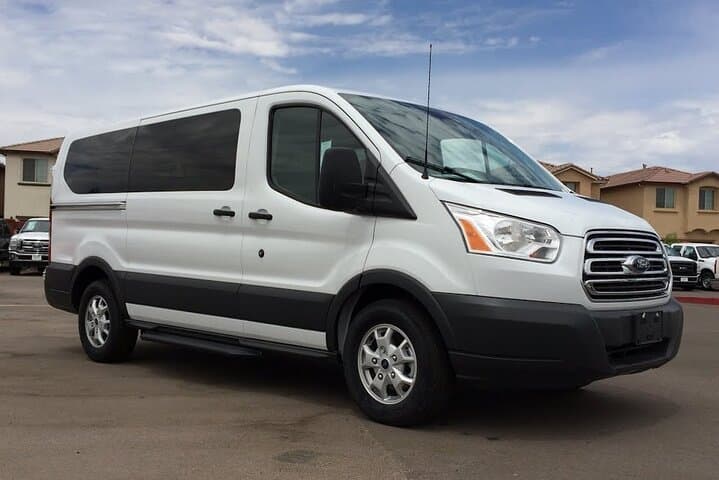
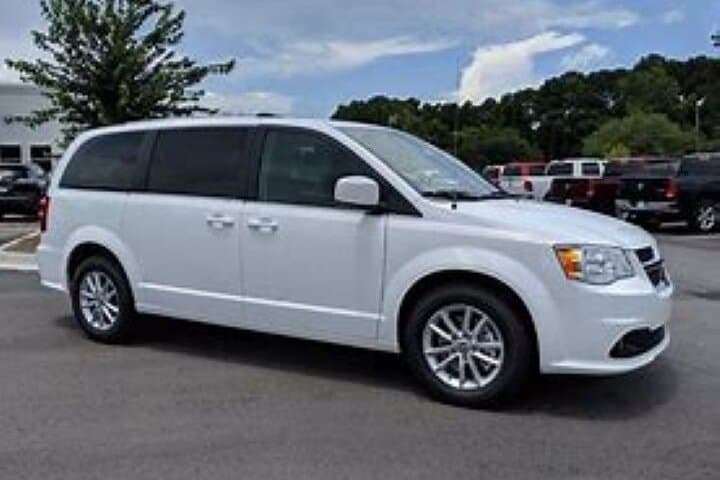

Stand at the edge of downtown Walla Walla at 10 a.m., the morning light cutting across low, loess-mantled hills and the Blue Mountains brooding on the horizon. A full-sized van opens its door; the driver—conversant in winery culture—hands you chilled water and a map of the valley. The day becomes a string of tasting rooms, gravel driveways, and vineyard vistas where the terrain pushes vines into tight rows and the soil changes from windblown silt to basalt-derived cobbles.
Stand at the edge of downtown Walla Walla at 10 a.m., the morning light cutting across low, loess-mantled hills and the Blue Mountains brooding on the horizon. A full-sized van opens its door; the driver—conversant in winery culture—hands you chilled water and a map of the valley. The day becomes a string of tasting rooms, gravel driveways, and vineyard vistas where the terrain pushes vines into tight rows and the soil changes from windblown silt to basalt-derived cobbles.
Walla Walla’s wine scene grew out of a farming economy and rapid winery expansion from the late 20th century into one of Washington’s most respected AVAs. The valley’s hot, dry summers, cool nights, and varied soils favor Rhône and Bordeaux varieties, and small, family-run operations sit beside newer, architect-designed cellars. Culture in town centers on food, approachable tasting rooms, and a slow pace that suits cellar-door conversations.
Practically: book winery reservations in advance, plan three to six stops for a relaxed day, and use the provided cooler for picnic-style lunches. Drivers can help shape an itinerary to minimize time in transit and maximize tasting windows. Expect short walks across gravel and uneven cellar floors; comfortable shoes and a jacket for wind off the hills are prudent. Tip drivers for good service and confirm accessibility needs ahead of time—this operation offers wheelchair-accessible vehicles. By afternoon you’ll move from structured tastings to sweeping valley views, finishing back where you started by 6 p.m., having let the landscape and local vintners set the rhythm for the day.